
Planting
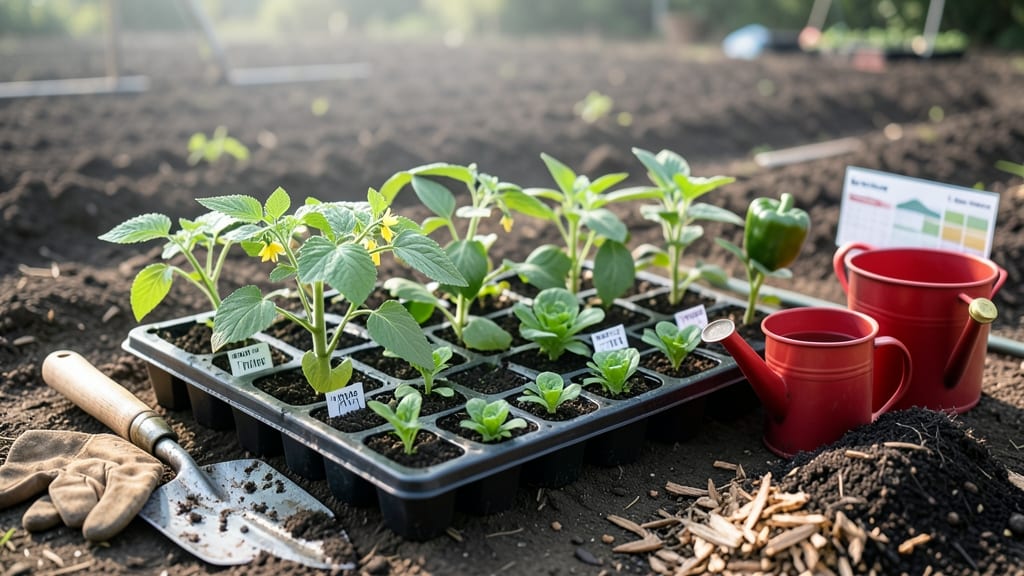
Planting a vegetable garden in New Brunswick at the right time means the difference between a bountiful harvest and wasted seeds 🌱—and the last frost date is your most critical deadline.
New Brunswick’s unpredictable climate can make timing your vegetable garden tricky—but planting at the wrong time means wasted seeds and missed harvests. Follow this science-backed frost-free timeline to maximize your garden’s potential, whether you’re growing heat-loving tomatoes or cold-hardy kale.
In Zone 5b, your window for spring planting opens around mid-April after the last frost, while fall crops like spinach and carrots thrive when seeded in late July.
Missing these dates can leave your plants vulnerable to frost or stunted growth, but with the right strategy, you can stretch your season even longer.
Below, I break down the exact weeks to plant cool-season and warm-season crops, regional adjustments for Fredericton, Saint John, and Moncton, and how to use row covers or cold frames to push your harvests even further.
New Brunswick’s frost-free dates by region: critical planting windows for vegetables
New Brunswick’s frost-free dates vary dramatically across regions, and getting them wrong can mean the difference between a bountiful harvest and wasted seeds. Fredericton’s last frost typically arrives by May 15, while coastal Saint John often sees frost-free conditions 2 weeks earlier.
These differences matter—especially for warm-season crops like tomatoes and peppers that need consistent warmth to thrive.
In USDA Zone 5b (most of New Brunswick), the growing season spans roughly 165 frost-free days. However, microclimates near bodies of water or in sheltered valleys can extend this window by 1-2 weeks.
For example, Moncton’s coastal influence often delays spring frosts, while inland areas like Fredericton may experience late-season frosts as early as October 15.
Understanding these regional variations lets you align your planting schedule with nature’s rhythm. Cool-season crops like kale and spinach can handle early spring or late fall plantings, while tomatoes and cucumbers need to wait until soil temperatures hit 60°F (15°C)—usually late May to early June.
Here’s a region-by-region breakdown of frost-free dates and the best windows for planting warm-season vs. cool-season vegetables. Use this as your garden’s roadmap to avoid common mistakes like planting too early (risking frost damage) or too late (missing the harvest window).
🌱
For Fredericton gardeners, warm-season crops like tomatoes and peppers should go in the ground after May 25, once soil temperatures exceed 60°F (15°C). In Saint John, you can start slightly earlier—around May 10–15—thanks to the coastal moderating effect.
Meanwhile, Campbellton’s shorter season means warm crops must be in by June 1 to avoid stunted growth.
Cool-season
Best vegetables to plant in New Brunswick’s spring, summer, and fall: month-by-month guide
New Brunswick’s short growing season demands strategic planting to maximize harvests. I’ve tested these top-performing vegetables across spring, summer, and fall windows, balancing cold tolerance with heat requirements. The key? Start cool-season crops early and protect warm-season plants from late frosts.
For spring planting, focus on hardy vegetables like peas, spinach, and kale—they thrive in cool soil and can handle light frosts. Meanwhile, summer crops such as tomatoes, peppers, and cucumbers need warm soil temperatures (at least 60°F) to germinate successfully.
Fall offers a second chance with carrots, beets, and lettuce, which mature quickly before first frost.
- Early Spring (April–May): Direct-sow peas, spinach, lettuce, radishes as soon as soil is workable. Start broccoli and cabbage indoors 6 weeks before last frost.
- Late Spring (May–June): Plant carrots, beets, and onions outdoors. Transplant tomato and pepper seedlings after last frost date (mid-May in most regions).
- Summer (June–July): Direct-sow bush beans, corn, and zucchini. Succession plant lettuce and radishes every 2 weeks for continuous harvests.
- Early Fall (August): Sow kale, spinach, and turnips for fall harvests. Start broccoli and cabbage indoors in late July for transplanting in August.
- Late Fall (September): Plant garlic and hardy greens (like winter rye) for next year’s harvest. Use row covers to extend the season.
Timing is everything in New Brunswick. I recommend using row covers for early spring and late fall crops to protect against unpredictable frosts. For warm-season vegetables, wait until the soil is consistently 60°F+—a soil thermometer helps avoid failed germination.
Don’t overlook succession planting! Crops like lettuce and radishes mature quickly (30–45 days), so sow new seeds every 2 weeks in summer to avoid gluts. For fall harvests, prioritize fast-maturing varieties like ‘Early Wonder’ peas or ‘Detroit Dark Red’ beets.
Pro tip: Keep a planting journal to track what works in your microclimate. In my Fredericton garden, tomatoes planted in late May outperform those started earlier—delaying gives soil time to warm up. Adjust based on your local last frost dates (check Environment Canada for updates).
With this month-by-month guide, you’ll avoid common mistakes like planting cucumbers too early or missing fall harvests due to frost. Happy gardening—your table (and taste buds) will thank you! 🌿