
Planting
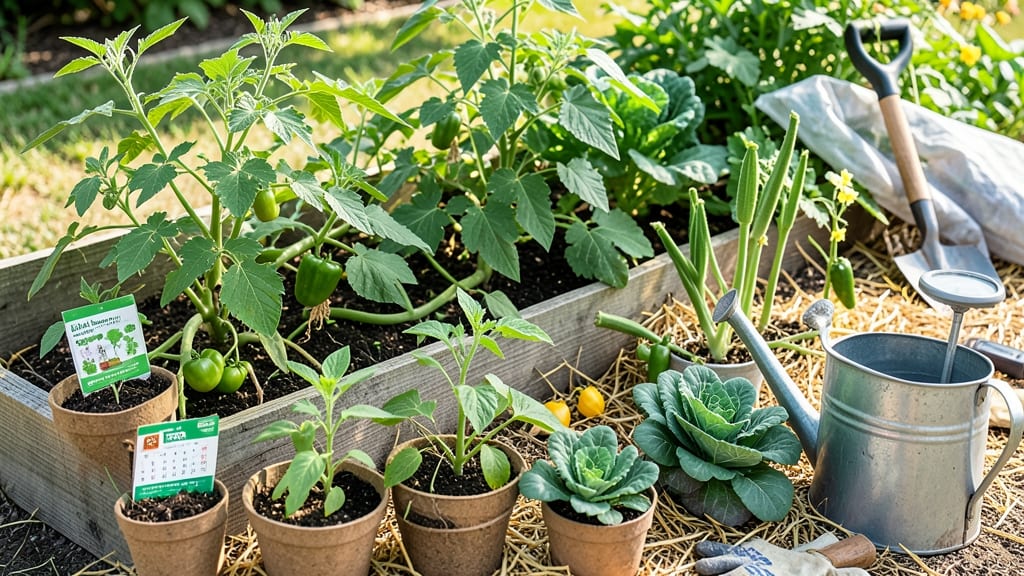
Planting a vegetable garden in Oklahoma at the right time means the difference between a bountiful harvest and a wasted season — and the clock starts with your last frost date.
Oklahoma’s unpredictable weather can make or break your vegetable garden 🌱, but knowing the exact frost-free deadlines for each crop type lets you grow a thriving garden year after year, even with Oklahoma’s hot summers and chilly winters.
Cool-season crops like lettuce and peas need to hit the soil 4-6 weeks before your last frost, while tomatoes and peppers wait until 2-3 weeks after the danger has passed. Miss those windows, and you’re left with stunted growth or total crop failure.
In this guide, I’ll break down Oklahoma’s frost-free dates by region, share month-by-month planting tips for 12+ staple crops, and show you how to stretch your growing season with simple hacks.
Oklahoma’s frost-free dates by region: key planting windows for vegetables
Oklahoma’s frost-free dates vary dramatically across its 10 distinct USDA hardiness zones, from Zone 6a in the north to Zone 8a in the south. These dates determine whether your tomatoes or lettuce will thrive—or freeze.
For example, Altus (Zone 7b) enjoys a 210-day frost-free window, while Lawton (Zone 7a) has just 180 days. Understanding these windows helps you align your planting schedule with nature’s calendar.
Cool-season crops like broccoli and spinach need to be sown 4-6 weeks before the last spring frost, while warm-season crops such as peppers and squash should wait until 2-3 weeks after the frost date.
Oklahoma State University Extension data shows that Oklahoma City (Zone 7a) typically sees its last frost around March 15, while Tulsa (Zone 7b) warms up slightly earlier, around March 10. These small differences matter when planning your garden layout.
Here’s a breakdown of last spring frost and first fall frost dates for Oklahoma’s key regions, along with ideal planting windows for both cool-season and warm-season crops. Use this as your garden planning guide to maximize yields and avoid frost damage.
For cool-season crops like kale or carrots, start seeds indoors or use row covers to extend your growing season.
In Zone 6a, you can plant spinach as early as February 15, while in Zone 7b, you might wait until March 1. Warm-season crops such as eggplant and okra should wait until after the last frost, typically mid-April in most regions, but earlier in Zone 8a areas like Idabel.
Oklahoma’s fall planting window is equally critical. In Zone 7a, you can still plant broccoli or radishes until September 15, while Zone 6a gardeners should finish by August 30 to avoid early frosts. Succession planting
Best vegetables to plant in Oklahoma by season: month-by-month guide
Oklahoma’s long, hot summers and short growing season demand smart planting choices. The key is timing—cool-season crops thrive in spring and fall, while warm-season veggies need heat to flourish.
By following this month-by-month schedule, you’ll maximize yields and avoid wasted effort. For example, lettuce bolted in my garden last summer because I planted it too late!
Start with cool-season crops like broccoli and spinach in February-March, then transition to tomatoes and peppers after the last frost.
Oklahoma’s USDA Zones 6a-8a mean your exact dates vary slightly by region, but these guidelines work statewide. Succession planting is your secret weapon—sow green beans every 2 weeks from April to July for nonstop harvests.
- March-April: Plant cool-season crops (lettuce, peas, spinach) 4-6 weeks before last frost (avg. March 15). Start warm-season seeds indoors (tomatoes, peppers) for transplanting after April 15.
- May-June: Direct-sow beans, cucumbers, and squash after soil reaches 60°F+. Use row covers for early broccoli and cabbage to deter pests.
- July-August: Succession plant green beans and radishes every 2 weeks. Transplant fall broccoli in late July for September harvests.
- September-October: Sow spinach, kale, and carrots for fall harvests. Avoid planting tomatoes after August 15—they need 60+ days to mature before frost.
- November: Focus on hardy greens (kale, collards) and garlic for next year. Mulch heavily to protect roots from early freezes (avg. November 15).
For Oklahoma-specific varieties, opt for heat-tolerant tomatoes like ‘Celebrity’ or ‘Heatmaster’—they handle our 90°F+ days without sunscald. Peppers (try ‘Aristotle’ or ‘NuMex Heritage’) also thrive in our climate. Green beans like ‘Contender’ or ‘Blue Lake’ are drought-resistant, perfect for our unpredictable summer rains.
Always amend soil with compost before planting—Oklahoma’s clay soil drains poorly when dry.
Don’t overlook succession planting for continuous harvests.
For example, sow radishes every 2 weeks from April to September—they mature in just 30 days! Lettuce is another great candidate: plant a heat-tolerant variety like ‘Black Seeded Simpson’ in fall for crisp leaves through December. Herbs like basil and cilantro also benefit from staggered plantings to avoid bolting.
Watch for Oklahoma’s microclimates: Northern cities (like Oklahoma City) have cooler springs, while southern regions (like Lawton) stay warm longer. Adjust your schedule 1-2 weeks earlier or later based on your location. Use a soil thermometer—most seeds need 50-60°F soil temps to germinate.
If your soil is too cold, wait or use black plastic mulch to warm it faster.
Plan for fall harvests by sowing cool-season crops in August. Broccoli and cauliflower planted by August 15 will be ready by October-November. Garlic planted in October yields sweet cloves the following summer. With this schedule, you’ll enjoy fresh veggies from spring through fall—no grocery store needed!