
Planting
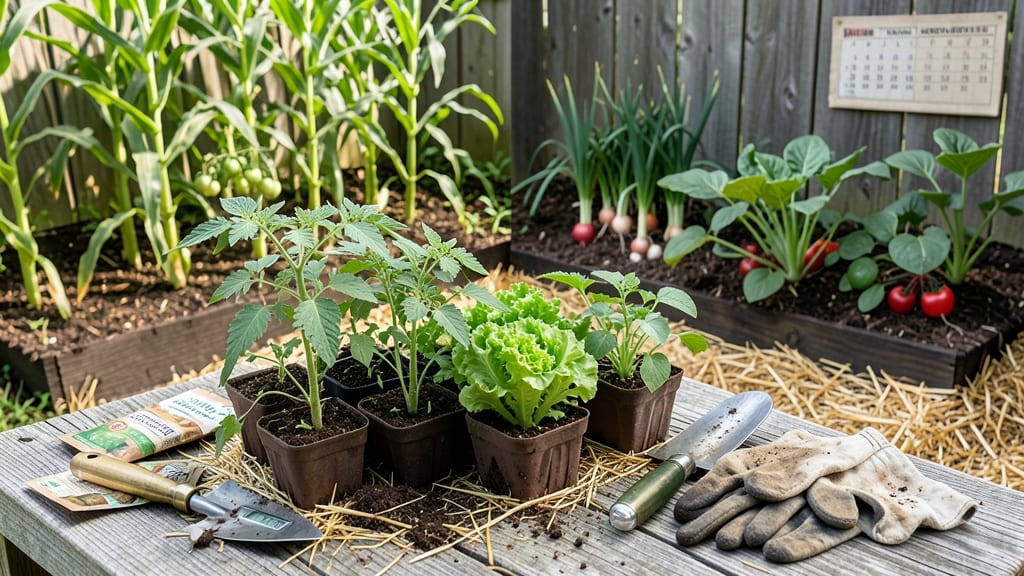
Planting a vegetable garden in Virginia depends on your county’s last frost date and microclimate — get it wrong, and you’ll watch your seedlings turn to mush or bolt before they bear fruit.
Virginia’s diverse regions mean the perfect planting window can shift by weeks just 50 miles away. Whether you’re in the Coastal Plain, Piedmont, or Mountains, timing is everything for crops like tomatoes, peppers, and leafy greens.
This guide breaks down exact planting months by zone, plus soil prep tips and tricks to stretch your growing season—so you can avoid the heartbreak of a failed harvest.
You’ll learn how to read frost maps, pick the right varieties for your area, and even extend your harvest with simple tools like row covers.
Virginia’s planting zones & last frost dates by county (2024 guide)
Virginia’s USDA Hardiness Zones range from 5b in the mountains to 8a along the coast, creating dramatic differences in planting windows.
The Piedmont region (like Richmond) sits in 7a-7b, while the Coastal Plain (Norfolk) enjoys 8a—meaning you can plant tomatoes 3-4 weeks earlier than gardeners in Roanoke (Zone 6b). These variations directly impact when to sow seeds or transplant seedlings for warm-season crops like peppers and okra.
Understanding your last average frost date is critical—planting too early can kill tender seedlings, while waiting too long shortens your harvest window. For example, Fairfax County typically sees its last frost around April 15, while Lee County in the mountains may not clear frost until May 10.
Heat zones also play a role: Southern Virginia’s Zone 8a allows for year-round growing of heat-loving crops like sweet potatoes.
Here’s a county-specific breakdown to help you align your planting schedule with Virginia’s microclimates:
| County/Region | USDA Zone | Avg. Last Frost | First Planting Window | Warm-Season Crop Tip |
|---|---|---|---|---|
| Northern Virginia (Fairfax, Arlington) | 7b | April 15 | April 20–May 10 | Start peppers indoors March 1 |
| Central Virginia (Richmond, Fredericksburg) | 7a-7b | April 10 | April 1–May 5 | Direct-sow beans after last frost |
| Coastal Virginia (Norfolk, Virginia Beach) | 8a | March 15 | February 20–March 15 | Plant squash as early as Feb 1 |
| Southwest Virginia (Roanoke, Blacksburg) | 6b-7a | May 5 | May 10–June 1 | Use row covers for early tomatoes |
| Mountains (Lee, Wise, Floyd) | 5b-6a | May 10–15 | May 20–June 10 | Choose early-maturing varieties |
Note: Adjust dates 1–2 weeks earlier for southern exposures or later for northern/north-facing gardens.
For warm-season crops like tomatoes and peppers, the heat zone matters just as much as frost dates. Southern Virginia’s Zone 8a allows for two full harvests of tomatoes—one in spring and another in fall—while Zone 6b gardeners in the mountains may only get one.
Use black plastic mulch to warm soil faster in cooler zones, or opt for heat-tolerant varieties like ‘Celebrity’ tomatoes in Zone 7b+.
Coastal gardeners can push their seasons even further by planting winter squash in late summer for fall harvests, while mountain gardeners should focus on cool-season crops like kale and carrots.
Check your local Virginia Cooperative Extension office for county-specific adjustments—some years, frost dates shift by 10 days or more due to weather patterns.
Pro tip: Use biodegradable seed starters for early planting in Zone 6b to avoid transplant shock when moving seedlings outdoors after the last frost. In Zone 8a, you can even overwinter garlic and onions for spring harvests—a trick that won’t work in the mountains.
Remember, soil temperature is just as critical as air temperature. Wait until soil reaches 60°F+ for warm-season crops, even if frost risk has passed. A soil thermometer is your best friend for timing tomato and pepper transplants accurately.
For succession planting, coastal gardeners can sow bush beans every 2 weeks from March to July, while mountain gardeners should limit sowings to May and June to avoid frost damage. Always account for your first frost date (typically October 30–November 15 in most regions) when planning fall crops.
Need a quick reference? Bookmark this guide and adjust your planting dates based on your specific county. Virginia’s diversity means no single calendar fits all—your location’s microclimate is your garden’s compass. Happy planting!
Best vegetables to plant by month in Virginia (microclimate edition)
Virginia’s three distinct regions—Coastal Plain, Piedmont, and Mountains—create wildly different planting windows. While Norfolk gardeners might enjoy 6-month growing seasons, those in Roanoke face shorter windows.
Understanding these differences helps avoid failed crops or missed harvests. For example, sweet potatoes thrive in the Coastal Plain’s heat but struggle in the mountains.
Your last frost date is the golden rule: Coastal Plain areas (like Virginia Beach) average March 15-April 1, while mountain regions (like Blacksburg) often see frost until May 10.
Warm-season crops like tomatoes and peppers need to wait until soil reaches 60°F—a timeline that shifts dramatically across the state. Let’s break it down by month.
- March-April (Coastal Plain only): Plant spinach, kale, and peas—these cold-hardy crops tolerate light frosts. Mountain regions wait until May.
- April-May (Piedmont/Coastal Plain): Start onions, carrots, and lettuce. Coastal areas can add radishes and turnips.
- May (All regions): Warm up with beans, cucumbers, and squash. Wait until soil warms to 60°F for tomatoes and peppers.
- June-August (Coastal Plain/Mountains): Plant okra and sweet potatoes in heat-tolerant zones. Mountain gardeners opt for green beans and zucchini.
- July-September (Succession Planting): Sow bush beans and leafy greens every 2 weeks for continuous harvests. Coastal areas can extend into October.
- August-September (Mountains only): Plant broccoli and cabbage for late-summer harvests before frost.
- September (Coastal Plain): Last chance for spinach and garlic—these can overwinter in milder zones.
Succession planting is your secret weapon for continuous harvests. For example, in the Piedmont region, I sow bush beans every 2 weeks from May through July. This ensures fresh pods through August, even as summer heat peaks.
In the Coastal Plain, I extend this strategy into September with radishes and turnips, which mature quickly in the mild fall.
County-specific exceptions matter. Norfolk’s extended growing season lets you plant sweet potatoes as late as June 15, while Roanoke gardeners must get them in by May 1.
Check your local agricultural extension for precise frost dates—these resources often provide weekly updates during transition months. For instance, the Virginia Cooperative Extension offers county-specific planting guides.
Don’t overlook warm-season staples like okra and sweet potatoes, which thrive in Virginia’s heat but need precise timing. In the Coastal Plain, I plant okra in late May when nighttime temps stay above 65°F.
Mountain gardeners, however, wait until June 15 to avoid frost damage. For sweet potatoes, Coastal Plain gardeners have until July 1, while Piedmont regions must plant by June 15.
Plan for fall harvests by sowing broccoli and kale in August-September. These crops tolerate light frosts and reward patience with sweet flavors after a cold snap.
In Roanoke, I cover young plants with row fabric in early October to protect against early frosts, extending harvests by 2-3 weeks. Coastal gardeners can push this even later, often harvesting into December.