
Planting
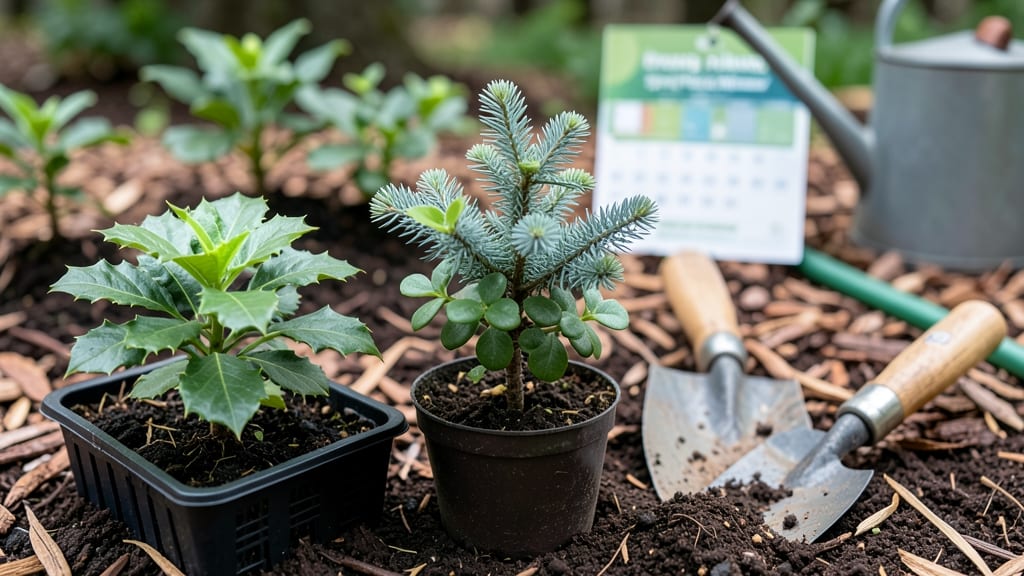
Planting your garden in Oregon at the right time means the difference between a bountiful harvest and a frozen or bolted mess—and those windows vary wildly from Portland to Bend.
Oregon’s microclimates throw a curveball: coastal areas like Astoria can plant spinach in February, while the High Desert waits until May. Get this wrong, and you’ll watch your tomatoes wilt in a heatwave or your broccoli bolt before you even taste it.
Below, I break down the exact frost-free dates for your USDA zone, when to start seeds indoors, and how to adjust for urban heat pockets or rural chill. Whether you’re in the Willamette Valley or eastern Oregon, these timelines will keep your 🌱 General Garden Plants thriving.
You’ll leave here with a custom planting calendar, tricks to extend your season, and the confidence to beat Oregon’s unpredictable weather—no more guessing games.
Oregon’s frost-free dates by USDA zone: when to plant vegetables
Oregon’s USDA zones 5-9 create wildly different planting windows—what works in Portland’s mild coastal zone can fail in Bend’s high desert. The key? Timing your cool-season crops (like spinach and peas) before the last frost and warm-season crops (tomatoes, peppers) after the first reliable warmth.
Let’s break down the exact dates you need to know for each zone.
Western Oregon (zones 7b-9a) typically sees its last spring frost between March 15 and April 15, while eastern regions (zones 5b-7a) can wait until May 1-15.
The first fall frost arrives earlier in the east (October 1-15) than the west (November 1-15). These dates determine whether your broccoli bolts or your zucchini withers.
Here’s your zone-by-zone planting guide—including when to start seeds indoors, transplant seedlings, and direct-sow for maximum success.
| USDA Zone | Last Spring Frost | First Fall Frost | Cool-Season Planting Window | Warm-Season Planting Window |
|---|---|---|---|---|
| 5b (Eastern OR) | May 1-15 | October 1-15 | March 15-April 30 | May 15-June 15 |
| 6a (High Desert) | April 15-May 1 | October 15-Nov 1 | March 1-April 15 | May 1-June 1 |
| 7b (Willamette Valley) | March 15-April 1 | November 1-15 | February 15-April 15 | April 15-May 15 |
| 8a (Coastal) | March 1-April 15 | November 15-Dec 15 | January 15-April 30 | April 1-June 1 |
| 9a (Southern OR) | February 15-March 15 | December 1-15 | January 1-April 15 | March 15-May 1 |
For cool-season crops like lettuce, kale, and peas, aim to plant 4-6 weeks before your last frost date. These hardy veggies thrive in 40-60°F soil and can even handle light frosts.
In zone 9a, you might squeeze in two harvests—one in early spring and another in fall.
Warm-season crops (tomatoes, peppers, cucumbers) demand soil temperatures above 60°F and won’t germinate until after your last frost. Wait until two weeks after the average last frost date to transplant seedlings, or direct-sow when soil warms.
In zone 5b, this could mean waiting until mid-May, while zone 9a gardeners can start as early as mid-March.
Pro tip: Use row covers or cold frames to extend your spring planting window by 2-4 weeks. I’ve successfully grown spinach in zone 7b as early as mid-February with a simple hoop house. Just remove the cover when temps rise above 50°F to avoid overheating.
Fall planting follows the reverse logic. Start cool-season crops like broccoli and carrots 8-10 weeks before your first frost. In zone 5b, that means late July for a September-October harvest. In milder zone 8a, you can push it to mid-September for a winter harvest under row covers.
Remember: Microclimates matter. A south-facing slope warms faster than a shady valley, and urban areas like Portland can be 5-10°F warmer than rural zones. Adjust your planting dates accordingly—your neighbor’s successful tomato crop
Best planting calendar for Oregon’s microclimates: coastal vs. Willamette Valley vs. high desert
Oregon’s microclimates create wildly different gardening conditions—coastal Astoria stays cool and damp year-round, while Bend’s high desert bakes in summer. Even within the Willamette Valley, Portland’s urban heat islands push planting dates earlier than rural Eugene.
Understanding these variations helps you avoid frost damage or heat stress on your crops.
Your location determines last frost dates (coastal areas: March 15; high desert: May 15) and first frost dates (coastal: November 15; high desert: October 1).
These shifts mean tomatoes thrive in Portland by May 1 but need to wait until June 15 in Bend. Let’s break down the 30-day planting windows for each region.
| Region | Last Frost | First Frost | Spring Planting Window | Fall Planting Window |
|---|---|---|---|---|
| Coastal (Astoria) | March 15 | November 15 | March 15–April 30 | August 15–September 30 |
| Willamette Valley (Portland) | April 1 | November 1 | April 1–May 15 | July 15–August 30 |
| High Desert (Bend) | May 15 | October 1 | May 15–June 30 | July 1–August 15 |
For cool-season crops like spinach and peas, coastal gardeners can start as early as February, while high-desert gardeners should wait until April.
Conversely, warm-season crops like peppers and cucumbers need to wait until after May 15 in Bend but can go in by April 15 in Portland’s urban heat islands.
Urban gardeners in Portland often experience microclimates within their own yards. South-facing walls can create 5–10°F warmer zones, allowing you to plant tomatoes or eggplants 2–3 weeks earlier than the general guideline. Use row covers to extend the season in cooler pockets.
In Eugene’s Willamette Valley, the moderate climate lets you grow broccoli and kale year-round with minimal protection. For high-desert areas, focus on drought-tolerant varieties like cherry tomatoes and Swiss chard, which thrive in well-draining soil with mulch to retain moisture.
Adjust your planting schedule based on soil temperature—most vegetables need soil at 50°F+ to germinate. Use a soil thermometer to confirm readiness, especially in cooler microclimates like Astoria or Mount Hood’s foothills.