
Planting
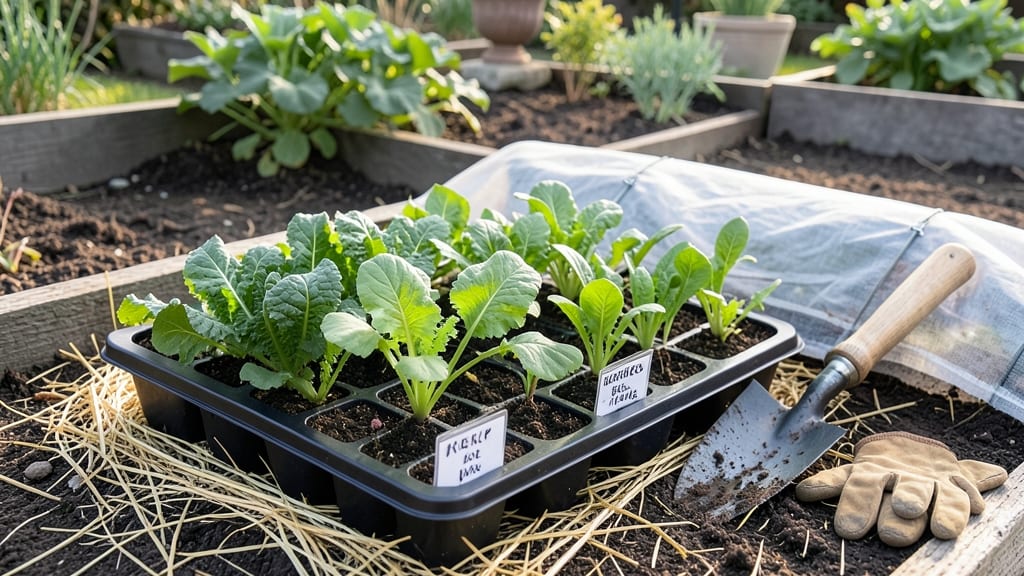
Planting your garden in Upstate NY at the right time means the difference between a thriving harvest and a sad, wilted disappointment.
Upstate New York’s unpredictable frost dates can turn your gardening dreams into a gamble—unless you plant at the perfect time for each crop. Missing the window by even a week could mean stunted growth or total failure, but timing it right guarantees a bountiful harvest with minimal risk.
From cool-season crops like lettuce and spinach to warm-season favorites like tomatoes and peppers, the 5b-6b zones demand precision. Too early, and a late frost will wipe out your seedlings; too late, and you’ll miss the growing season entirely.
This guide breaks down the exact planting windows for every type of 🌱 General Garden Plants, so you can avoid costly mistakes and enjoy a garden that thrives.
You’ll learn how to read frost forecasts, adjust for microclimates, and use soil temperature as your guide.
Whether you’re a seasoned gardener or just starting, these actionable timing tips will help you plant with confidence—so you can enjoy fresh veggies, vibrant flowers, and a garden that feels like a success from day one.
Upstate NY frost dates by Zone: critical planting windows for every crop
Upstate New York spans USDA Hardiness Zones 5-7, where frost dates can vary dramatically even within short distances. In Zone 5b (northern areas like Plattsburgh), the last frost typically arrives around May 15, while Zone 6b (Albany, Syracuse) sees it as early as April 25.
The first frost hits Zone 5b by October 1, but Zone 7 (near Lake Erie) may delay it until October 15. These variations mean your tomatoes might thrive in Rochester but fail in Utica if planted too early.
To avoid frost damage, I recommend using Cornell Cooperative Extension’s frost maps as your guide.
For cool-season crops like lettuce and spinach, start seeds indoors 4-6 weeks before your last frost date. Warm-season crops such as peppers and eggplants need soil temperatures above 55°F, so wait until May 20 in most of Upstate NY.
Even a single late frost can devastate young seedlings, so timing is everything.
Here’s a zone-by-zone breakdown of your planting windows, including exact dates for key crops and how to adjust for microclimates like valleys or lake-effect areas.
For cool-season crops, prioritize hardy varieties like kale and radishes, which can handle light frosts.
Plant them 4-6 weeks before your last frost date for an early harvest. Lettuce and spinach thrive in spring but bolt in summer heat, so succession plant every 2 weeks until July 1.
In fall, you can replant these greens 6 weeks before your first frost for a second harvest.
Warm-season crops like tomatoes and peppers are far more finicky. Wait until the soil temperature reaches at least 60°F (use a soil thermometer!) before transplanting. In Zone 5b, this usually means late May, while Zone 7 gardeners can start as early as mid-April.
If you’re eager to grow basils or cucumbers, consider using black plastic mulch to warm the soil faster and protect tender seedlings.
Don’t forget about fall planting—it’s just as critical! Broccoli, cauliflower, and carrots planted in August will mature before frost. Aim to sow seeds 8-10 weeks before your first frost date.
For example, in Zone 6a, that’s early August, while Zone 5b gardeners should plant by July 20. Use straw mulch to insulate roots and extend the harvest season by 2-3 weeks.
Microclimates play a huge role in Upstate NY. Areas near Lake Ontario or Lake Erie experience lake-effect warming, delaying frost by 1-2 weeks
How to adjust planting times for Upstate NY’s microclimates and soil conditions
Upstate New York’s diverse microclimates and rocky soil conditions can make planting feel like a puzzle. Some areas near lakes experience milder springs, while inland spots freeze later—meaning your neighbor’s perfect planting time might fail in your garden.
The key is adapting to these variations with simple strategies like row covers or cold frames to extend seasons, and testing your soil to avoid stunted growth.
Rocky soil, common in Upstate NY, drains too quickly for many plants. Amending it with compost or organic matter improves moisture retention, but even then, timing matters.
For example, early-spring plantings of cool-season crops like spinach or peas can thrive with protective covers, while late-summer plantings of warm-season crops like tomatoes need to happen before September’s first frost sneaks in.
📌 5 Steps to Adjust Planting Times for Upstate NY’s Conditions
- 🌡️ Test soil temperature with a thermometer—warm-season crops need 50°F+ soil.
- 🛡️ Use row covers or cold frames to push spring plantings 2-3 weeks earlier.
- 📊 Amend rocky soil with compost or peat moss to improve water retention.
- ⏰ Plant late-summer crops by August 15 for a fall harvest before frost.
- 📋 Check soil readiness with a pH test—most veggies thrive at 6.0-7.0.
For early-spring plantings, start with cold-hardy crops like kale or radishes under protective covers. Once soil warms (usually mid-May), switch to warm-season crops such as peppers or cucumbers.
If your garden sits in a rocky or shallow soil area, consider raised beds filled with a mix of topsoil and compost—this gives roots room to grow even in tough conditions.
Late-summer plantings are all about speed. Choose fast-maturing varieties of lettuce or spinach and sow them by August 15 to harvest before the first frost. If you’re unsure about your local frost date, check Cornell Cooperative Extension’s frost maps or use a frost calendar tailored to your ZIP code.
Even a 5-day delay can mean the difference between a thriving garden and a failed crop.
Before planting, run a simple soil readiness checklist: test pH, check moisture levels, and ensure good drainage. Upstate NY’s acidic soils often need lime, while clay-heavy spots benefit from sand or perlite.
A quick percolation test (dig a hole, fill with water, and time how long it drains) helps avoid waterlogged roots. With these adjustments, you’ll turn Upstate NY’s challenges into opportunities for a longer growing season and healthier plants.
Don’t let Upstate NY’s quirks derail your gardening goals. With the right adaptations and a little forward planning, you can enjoy fresh homegrown produce from spring to fall—no matter where your garden sits. 🌱