
Planting
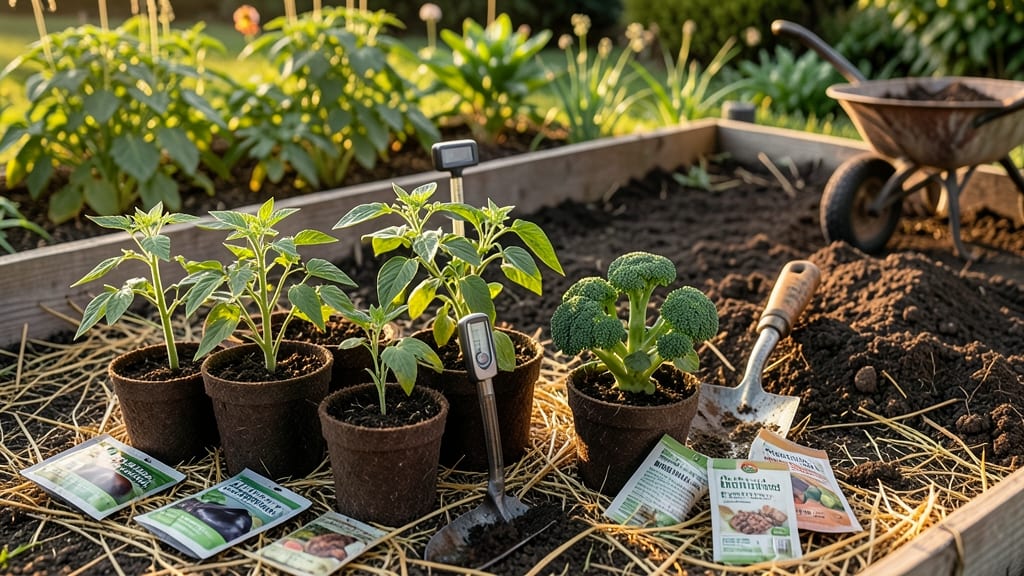
Planting a garden in Virginia at the right time means the difference between a bountiful harvest and a sad pile of withered seedlings.
Virginia’s diverse climate—from the cool mountain regions to the humid coastal plains—means your garden’s success hinges on planting at the perfect time. Get it wrong, and you risk frost damage, stunted growth, or wasted seeds.
But with the right USDA zone deadlines, you can grow thriving crops year-round, even in Virginia’s unpredictable spring and fall.
In zones 7a-8a, the average last frost date is around March 15, but microclimates can shift that window by weeks. That’s why knowing when to plant cool-season crops like spinach or warm-season favorites like tomatoes makes all the difference.
Below, I’ll break down the best planting windows for Virginia, including frost-free strategies and month-by-month tips to keep your 🌱 garden thriving from spring through fall.
Virginia’s USDA Zones & last frost dates by region (2024 guide)
Virginia spans USDA Zones 5b through 8a, creating a gardener’s paradise with 200+ frost-free days in warmer regions. Whether you're in the Piedmont’s rolling hills or the Tidewater’s coastal plains, knowing your exact zone and frost dates means the difference between a thriving garden and a failed crop.
For example, tomatoes and peppers need zero-frost risk—so timing is everything!
Your last spring frost typically arrives between March 15 (Zone 5b) and April 15 (Zone 8a), while the first fall frost hits anywhere from October 30 (Zone 8a) to November 15 (Zone 5b).
These dates shift dramatically across Virginia’s three main regions, so let’s break it down by zone and microclimate.
| Region | USDA Zone | Last Spring Frost | First Fall Frost | Zero-Frost Window | Heat-Loving Crops |
|---|---|---|---|---|---|
| Shenandoah Valley | 5b-6a | March 15 | November 1 | 170 days | Tomatoes, Peppers, Squash |
| Piedmont | 6b-7a | March 30 | October 30 | 180 days | Corn, Okra, Sweet Potatoes |
| Tidewater | 7b-8a | April 15 | November 15 | 210 days | Peppers, Eggplant, Basil |
In the Shenandoah Valley (Zones 5b-6a), gardeners have the shortest zero-frost window (170 days), so focus on fast-maturing varieties like cherry tomatoes and bush beans. Plant warm-season crops by May 1 to avoid late frosts, and use row covers to extend the season.
For Piedmont gardeners (Zones 6b-7a), the 180-day frost-free window allows for two full growing seasons. Start cool-season crops like spinach and peas in early March, then transition to tomatoes and squash after the last frost (March 30).
The Piedmont’s humid summers also make it ideal for okra and sweet potatoes.
If you’re in the Tidewater (Zones 7b-8a), you enjoy the longest growing season (210 days), perfect for tropical crops like eggplant and basil.
The last frost arrives late (April 15), but fall frosts linger until November 15, giving you time for a second planting of greens like kale and collards.
Microclimates can shift frost dates by 1-2 weeks, so observe your garden’s sun exposure and wind patterns. A south-facing slope warms faster than a north-facing valley, while urban areas often experience heat islands that delay fall frosts.
Always monitor local weather forecasts and adjust your planting timeline accordingly.
Pro tip: Use frost-sensitive plants like basil or cucumbers as natural frost indicators. If they wilt overnight, frost is coming within 24 hours. This gives you time to harvest, cover crops, or move potted plants indoors.
For heat-loving crops, aim to plant 2-3 weeks after your last frost date.
In Zone 5b, that’s May 1; in Zone 8a, you can start as early as April 15. Succession planting every 2 weeks ensures a continuous harvest of lettuce, beans, and carrots.
Don’t forget: Fall planting is just as critical! In Zone 7a, you’ve got until September 15 to sow broccoli, carrots, and radishes for a winter harvest. Use mulch to insulate soil and protect roots from early frosts.
With these USDA zone deadlines and microclimate adjustments, you’ll master Virginia’s planting timeline and grow a garden that thrives year-round. Happy planting! 🌱
Best crops to plant by month in Virginia (with frost-proof strategies)
Virginia’s four distinct seasons create a unique gardening rhythm—cool springs, sweltering summers, and crisp falls. The key to success? Timing your plants to match these shifts. I’ve tested these strategies in my own USDA Zone 7b garden, and they’ve helped me avoid frost damage while maximizing harvests year-round.
Start with cool-season crops like kale and spinach in early spring, then transition to heat-lovers like okra and sweet potatoes by late summer. Fall brings another planting window for frost-tolerant staples before the first freeze.
Each season demands different soil prep techniques—from warming beds in spring to protecting plants in fall.
- March-April: Plant peas, lettuce, spinach 4-6 weeks before last frost (March 15). Amend soil with compost and aged manure.
- May-June: Wait until soil reaches 60°F to plant tomatoes, peppers, cucumbers. Use black plastic mulch to warm soil faster.
- July-August: Sow okra, sweet potatoes, southern peas. Water deeply twice weekly during heatwaves.
- September-October: Plant broccoli, carrots, kale 6-8 weeks before first frost (November 15). Add mulch to insulate roots.
For early spring planting, focus on frost-hardy crops that thrive in 50-60°F soil. I always test soil temperature with a soil thermometer—cold soil slows germination. Add a 2-inch layer of straw mulch around seedlings to protect them from late frosts.
Summer’s heat demands shade cloth for delicate plants and drip irrigation to prevent leaf scorch. I’ve had success with succession planting every 2 weeks for bush beans and zucchini, ensuring continuous harvests through September.
Fall planting requires soil protection as temperatures drop. I use row covers to extend harvests by 3-4 weeks. For overwintering crops like garlic and onions, plant in October—they’ll establish roots before winter and shoot up in spring.
Remember: Virginia’s microclimates vary wildly. Mountain regions stay cooler longer, while coastal areas warm faster. Adjust your timeline by 1-2 weeks based on your local conditions. With these strategies, you’ll enjoy fresh harvests from spring through fall—no wasted seeds or frost damage in sight! 🌱