
Planting
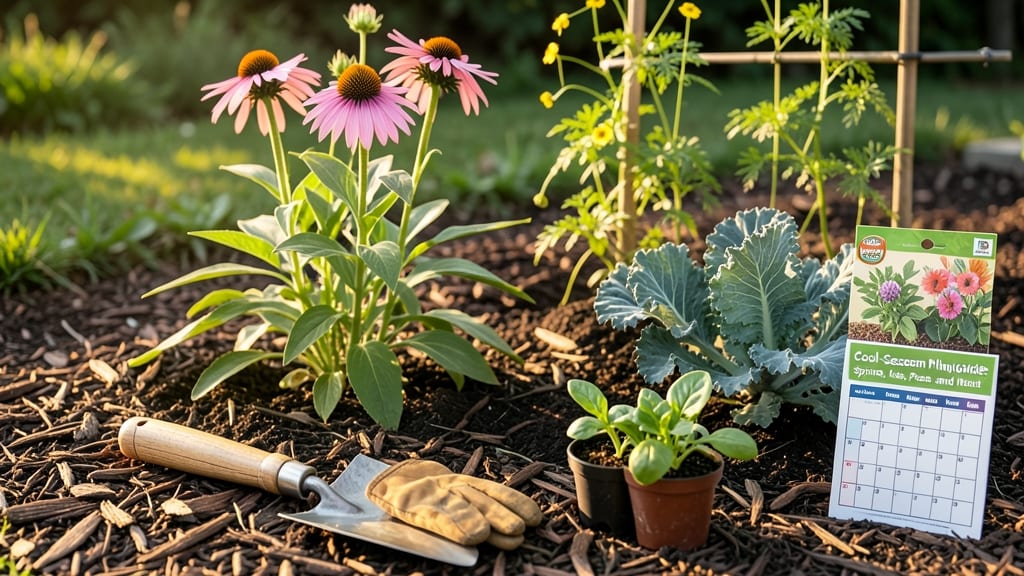
To plant a garden in Wisconsin, time your sowing between late April and mid-June—the window when frost risks fade and soil warms enough for most 🌱 General Garden Vegetables & Flowers.
Wisconsin’s unpredictable spring frosts can turn your gardening dreams into a gamble—unless you follow the exact planting timeline tailored to USDA Zone 5’s unique climate.
Cool-season crops like lettuce and peas thrive when seeded 4-6 weeks before your last frost (usually mid-April), while tomatoes and peppers need to wait until after May 15—when soil hits 50°F.
Here’s the breakdown: when to start seeds indoors, when to transplant outdoors, and how to stretch your growing season with smart fall planting—all optimized for Wisconsin’s short but productive 150 frost-free days.
Wisconsin’s planting timeline by season: when to start seeds and transplant for maximum success
Wisconsin’s USDA Zone 5 climate demands precision when planting—getting the timing wrong can mean frost-killed seedlings or stunted growth. My 15+ years of Wisconsin gardening taught me that soil temperature and frost dates are everything.
The last average frost typically falls between mid-April and early May, but northern regions can wait until late May.
To maximize yields, I divide the season into three critical phases: cool-season starts (March–May), warm-season transplants (May–July), and fall extensions (August–September). Each requires different soil temps and frost-free windows. For example, spinach thrives when soil hits 40°F, while tomatoes need 60°F+ to germinate.
Here’s my month-by-month breakdown—tested in Wisconsin gardens—to help you align planting with your microclimate. Pro tip: Use a soil thermometer (I swear by the Thermopro TP16) to avoid guessing.
| Season | Plant Type | Start Indoors | Transplant Outdoors | Direct Sow | Soil Temp | Notes |
|---|---|---|---|---|---|---|
| Early Spring (March) | Cool-Season Crops | 4–6 weeks before last frost | After last frost (late April–May) | — | 40–50°F | Peas, spinach, kale |
| Onions/Leeks | Start indoors (Feb–March) | Transplant in April | — | 45–55°F | Use seed starts or sets | |
| Late Spring (April–May) | Warm-Season Starts | 4–6 weeks before last frost | After last frost (May) | — | 60–70°F | Tomatoes, peppers, eggplant |
| Direct-Sow Warm Crops | — | After last frost (May) | Corn, beans, cucumbers | 60–70°F | Wait until soil warms | |
| Fall Crops (Late Summer) | Start indoors (July–Aug) | Transplant in Sept | — | 50–60°F | Kale, broccoli, carrots | |
| Summer (June–July) | Succession Planting | — | Every 2 weeks (June–July) | Lettuce, radishes, bush beans | 55–65°F | Extends harvest season |
| Fall (August–September) | Direct-Sow Fall Crops | — | — | Spinach, peas, garlic | 45–55°F | Plant 8–10 weeks before first frost |
For cool-season crops, I start seeds indoors in March for spinach, lettuce, and kale—these hardy greens tolerate light frosts.
Transplant them 4–6 weeks before your last frost (use Almanac’s frost calculator for your ZIP code). Peas and radishes can even handle direct sowing in early April if soil isn’t frozen.
Warm-season crops like tomatoes and peppers need to wait until soil temperatures hit 60°F+.
I test this with my soil thermometer—if it’s cooler, I cover seeds with black plastic mulch to warm the soil faster. Corn and beans are the exceptions; they can handle direct sowing in late May once the ground thaws.
Don’t overlook fall planting! August and September are prime for broccoli, kale, and carrots. These crops thrive in cool weather and can be harvested before first frost (mid-October). I plant garlic in October for a next-year harvest—it’s a foolproof way to extend your garden’s productivity.
Succession planting is my secret weapon for continuous harvests. Every 2 weeks in June and July, I sow bush beans, lettuce, or radishes to replace early crops. This keeps my garden productive even as summer winds down.
For example, I’ll plant radishes every 10 days—they mature in 30 days, so I get 3–4 harvests before frost.
Pro tip: Use row covers to push early planting. I’ve successfully grown spinach in March under floating row covers, shaving 2–3 weeks off the season. Just remove covers when flowers appear to prevent bolting.
For warm-season crops, wait until nighttime temps stay above 50°F—this prevents blossom-end rot in tomatoes.
Remember, Wisconsin’s short
Top 5 mistakes Wisconsin gardeners make with planting timing (and how to avoid them)
Wisconsin’s short growing season and unpredictable frosts make planting timing the difference between a bountiful harvest and wasted effort. Even experienced gardeners fall into common traps—like planting too early or ignoring microclimate differences—that cost them weeks of growth.
The key is understanding USDA Zone 5 specifics and adjusting for your exact location, whether you're in Milwaukee or rural northern Wisconsin.
One of the biggest mistakes is rushing to plant warm-season crops like tomatoes or peppers as soon as soil looks workable. Many gardeners assume "warmer weather" means it's safe, but a late frost can wipe out young plants.
Similarly, cool-season crops like spinach or peas planted too late may bolt before producing harvestable yields. The solution? Use frost-free date averages as your guide, not just the calendar.
⚠️ callout warning
Wisconsin’s last frost typically ranges from mid-April to early May, but planting warm-season crops like basil or cucumbers before soil reaches 50°F (10°C) risks stunted growth or death. Use a soil thermometer—not just air temperature—to confirm readiness. For cool-season crops, avoid planting after April 15 in most areas, or they’ll bolt before harvest.
🌱 Pro Tip: Start warm-season crops indoors 6-8 weeks before your last frost date to extend your growing window.
Another critical error is ignoring microclimates within your garden. A south-facing bed warms up faster than a north-facing one, and urban areas like Madison often experience 2-3°F warmer springs than rural zones. Even a 10-foot difference in elevation can shift planting windows by a week.
Solution? Monitor your garden’s specific conditions for at least two years to identify patterns. For example, if your backyard stays frost-free 7 days earlier than the county average, adjust your schedule accordingly.
Skipping succession planting is another common misstep, especially for gardeners focused on one-time harvests like zucchini or lettuce. Wisconsin’s short season means you can’t afford to let rows go fallow. Instead, plant fast-maturing varieties every 2-3 weeks to ensure a continuous supply.
For instance, sow bush beans in three separate batches: early May, late May, and early June. This strategy maximizes yield and minimizes wasted space.
Overlooking fall planting opportunities is a missed chance to extend your harvest. Many gardeners assume planting stops after summer, but cool-season crops like kale, carrots, and spinach thrive when planted in late August to early September.
These crops often produce sweeter flavors after a light frost and can be harvested well into November or December with row covers. Start with hardy varieties like ‘Winterbor’ kale or ‘Nantes’ carrots for best results.
Finally, many Wisconsin gardeners fail to harden off seedlings properly before transplanting, leading to shock and poor establishment. Hardening off—gradually exposing plants to outdoor conditions over 7-10 days
Start by placing seedlings outdoors for 1-2 hours daily, increasing exposure while protecting them from wind and direct sun. This step is non-negotiable for tomatoes, peppers, and herbs, which are particularly sensitive to temperature swings.