
Planting
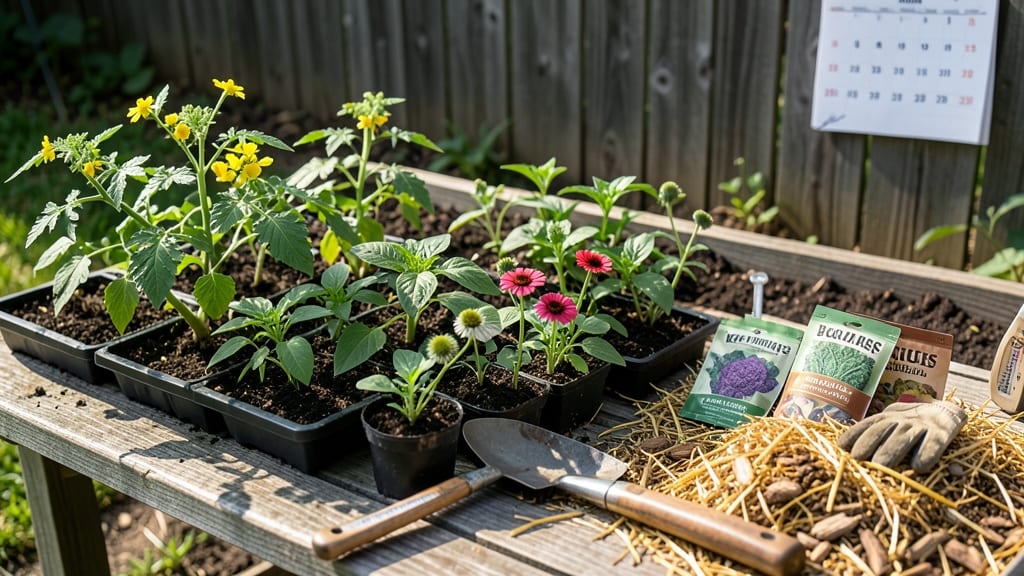
Planting a garden in West Virginia means timing your seeds and transplants to avoid those sneaky late frosts that can turn your green dreams into brown disappointment.
West Virginia’s unpredictable frost patterns can make or break your garden—planting at the wrong time means wasted seeds or stunted crops. But timing your garden perfectly ensures a bountiful harvest from spring greens to fall squash.
In USDA Zones 6a-7a, your best window starts 4-6 weeks before your last frost (around mid-April) for cool-season crops like peas and kale, while warm-season favorites like tomatoes and peppers wait until after April 15—when the risk of frost has passed.
Below, I break down the exact planting schedule for WV’s microclimates, from the Northern Panhandle to the Southern Appalachian foothills, plus 3 pro tips to handle late frosts and early heatwaves.
West Virginia frost-free dates by region: when to start planting
West Virginia’s frost-free dates vary dramatically across its regions, with the Northern Panhandle (USDA Zone 6a) often experiencing frost 2-3 weeks earlier than the Southern Appalachian mountains (Zone 7a).
These differences mean your cool-season crops like broccoli or spinach can thrive in March in Charleston, while warm-season tomatoes might need to wait until May in Wheeling. Understanding these microclimates is key to avoiding late frost damage or wasted seeds.
For accurate planting, use the USDA Zone map as a baseline, but always check local historical frost data—your neighbor’s garden might have a 10-day difference in frost timing!
The average last frost in most of WV falls between April 15 and May 1, but high-elevation areas like Blackwater Falls State Park can see frost as late as May 15.
Warm-season plants like peppers and eggplants need consistent warmth, so wait until after Memorial Day in cooler regions.
| Region | USDA Zone | Avg. Last Frost | Avg. First Frost | Cool-Season Start | Warm-Season Start |
|---|---|---|---|---|---|
| Northern Panhandle (Wheeling, Martinsburg) | 6a (-10°F) | April 20 | October 10 | March 15 (outdoors) | May 10 (after last frost) |
| Central WV (Charleston, Morgantown) | 6b (-5°F) | April 15 | October 15 | March 20 (outdoors) | April 25 (with row covers) |
| Southern Appalachia (Beckley, Lewisburg) | 7a (0°F) | April 5 | October 25 | February 28 (with cold frames) | April 1 (earlier for heat-lovers) |
| High Elevation (Blackwater Falls, Spruce Knob) | 5b (-15°F) | May 15 | September 20 | April 15 (under covers) | June 1 (short season) |
Your cool-season crops—think spinach, peas, and lettuce—can often be planted 4-6 weeks before your region’s last frost date. For example, in Zone 6b Charleston, that means late February to early March for outdoor sowing, or even January under cold frames.
These hardy plants tolerate light frosts (down to 25°F) and can produce bountiful harvests before summer heat arrives. I always start my broccoli and kale indoors in January for an early spring harvest.
Warm-season plants like tomatoes, peppers, and cucumbers require soil temperatures above 60°F to thrive. In Zone 6a Wheeling, this typically means waiting until after May 10, while Zone 7a Beckley gardeners can plant as early as April 15.
To extend your growing season, use row covers or black plastic mulch to warm the soil faster. I’ve had success planting tomato seedlings under floating row covers as early as April 1 in Charleston, giving me 2 extra weeks of harvest time.
Don’t overlook fall planting—WV’s second growing season is often underutilized! Cool-season crops like radishes, kale, and carrots can be sown as late as August 15 in most regions, with harvests continuing until first frost.
In Zone 7a, you might even squeeze in a late October planting of spinach or peas for a winter harvest. Just be sure to choose fast-maturing varieties (like ‘Early Wonder’ peas) to avoid early frost damage.
For accuracy, I recommend using a soil thermometer to confirm warm-season planting times. Soil should stay above 50°F for 10+ days before planting beans or squash.
In my Zone 6b garden, I’ve seen years where May frosts delayed planting until June 1, so always have backup seeds ready. Potatoes are another tricky crop—plant them 2 weeks after your last frost date for best yields, as they need consistent warmth to avoid scab disease.
Pro tip: Use local weather stations (like
Best planting schedule for WV gardens: month-by-month guide
West Virginia’s short growing season and variable frost dates demand precise planting timing. Cool-season crops like kale and peas thrive early, while tomatoes and peppers need warm soil. With USDA Zones 6a-7a, planning ahead ensures your garden flourishes from spring to fall.
Start by preparing beds in late winter—amend clay-heavy soil with compost and test pH (ideal: 6.0-7.0). Use row covers or cold frames to extend seasons for heat-loving plants. Below, I break down the month-by-month schedule for WV’s most popular crops.
- 1 March: Start cool-season seeds indoors (lettuce, spinach) or sow hardy crops like peas and radishes directly into soil. Use row covers for extra warmth.
- 2 April: Transplant broccoli, cauliflower, and kale 4-6 weeks before last frost (avg. April 15). Direct-sow carrots and beets. Prepare beds for warm-season crops.
- 3 May: After last frost, plant tomatoes, peppers, and eggplants. Sow cucumbers and squash directly. Use black plastic mulch to warm soil faster.
- 4 June: Succession plant beans and lettuce every 2 weeks. Start fall crops like kale and spinach indoors. Monitor for pests—aphids and cucumber beetles are common.
- 5 July: Harvest summer crops (peppers, tomatoes) and replace with bush beans or radishes. Thin carrots and beets to avoid crowding. Mulch to retain moisture.
- 6 August: Plant cool-season crops like broccoli and cabbage for fall harvest. Direct-sow spinach and turnips. Protect with frost cloth if nights dip below 50°F.
- 7 September-October: Extend harvests with row covers or cold frames. Plant garlic and onions for next year. Clean up debris to prevent disease and pests over winter.
For herbs, plant basil and cilantro in spring and fall, while oregano and thyme thrive year-round in WV’s climate. Flowers like marigolds and nasturtiums deter pests—interplant them with veggies for natural protection.
Pro tip: Use a soil thermometer to confirm warm-season crops (like tomatoes) are planted when soil reaches 60°F
With this schedule, you’ll maximize WV’s 165-200 frost-free days and enjoy fresh produce from April through October. Happy planting! 🌿