
Container Gardens
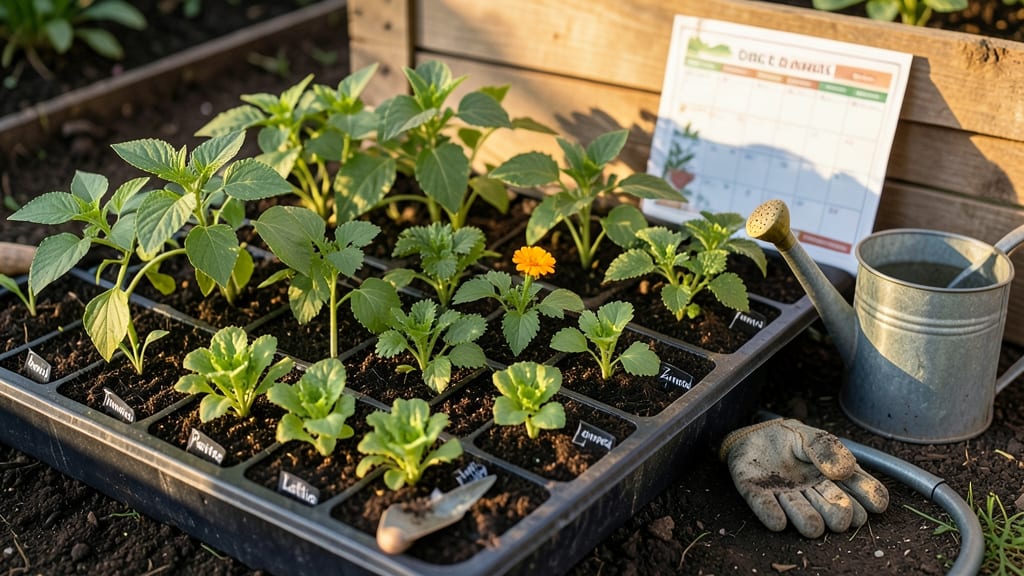
Planting gardens in Ohio—timing is everything, especially in USDA Zone 5b where frosts can strike late into May or early October.
Ohio’s unpredictable spring weather can turn a gardener’s dream into a frost-burned nightmare—but timing your plantings right ensures your 🌱 General Garden Plants thrive from seed to harvest. Missing these windows means risking stunted growth, wilting, or worse: losing your hard work to late frosts.
Cool-season crops like spinach and peas can handle Ohio’s chill, but warm-season favorites like tomatoes and peppers need to wait until after the last frost, typically mid-May in most regions.
Meanwhile, fall plantings for hearty greens or garlic should start 4-6 weeks before the first frost, usually by early September.
Below, I break down Ohio’s frost-free windows by region, share actionable hacks to extend your growing season, and provide a month-by-month planting calendar so you can avoid costly mistakes and maximize your harvest.
Ohio’s last frost dates by region: critical planting windows for zone 5b
Ohio’s USDA Zone 5b climate means your planting schedule hinges on last frost dates that shift dramatically from the Northeast to the Southwest.
In the Toledo region, gardeners typically see their last frost around April 20th, while Columbus averages May 1st, and Athens often waits until May 10th. These variations can mean the difference between a thriving garden and a frost-killed disaster.
Understanding these microclimates is key—especially for warm-season crops like tomatoes and peppers, which need consistent warmth to germinate. Planting too early in colder regions risks seedling death, while waiting too long in warmer areas can shorten your harvest window.
The solution? Plan around heatwave prep and succession planting to maximize your growing season.
Here’s how to align your planting with Ohio’s frost-free windows, broken down by region and crop type. Use this as your garden’s roadmap to avoid common mistakes like overcrowding seedlings or skipping soil prep before the last frost.
| Region | Last Frost Date | First Frost Date | Cool-Season Crops (Plant) | Warm-Season Crops (Plant) |
|---|---|---|---|---|
| Northeast Ohio (Toledo, Cleveland) | April 20 | October 15 | March 15–April 10 | May 15–June 1 |
| Central Ohio (Columbus, Dayton) | May 1 | October 20 | March 30–April 15 | May 10–May 25 |
| Southeast Ohio (Athens, Cambridge) | May 10 | October 25 | April 1–April 15 | May 20–June 5 |
| Southwest Ohio (Cincinnati, Dayton) | April 25 | October 18 | March 20–April 5 | May 10–May 20 |
*Dates are averages—always monitor local forecasts for adjustments.
For cool-season crops like spinach, peas, and kale, start seeds indoors 4–6 weeks before your region’s last frost. Harden off seedlings and transplant them 2 weeks before the average date to give them time to establish roots.
In Northeast Ohio, this means sowing peas by March 15th for an early harvest, while Central Ohio gardeners can wait until April 1st.
Warm-season crops like tomatoes, peppers, and cucumbers are far more forgiving if planted 2–3 weeks after the last frost. However, Ohio’s unpredictable spring heatwaves can trick you into planting too early.
Use row covers or black plastic mulch to warm the soil faster if you’re eager to get started. In Southeast Ohio, where frosts linger later, wait until May 20th to avoid seedling damage.
Pro tip: If you’re experimenting with early sowings, use a seedling heat mat ($20–$30) to jumpstart germination. Place it under seed trays 1–2 weeks before your target transplant date to create a 70°F soil temperature, which is ideal for tomato and pepper seeds.
Pair this with a mini greenhouse (even a repurposed plastic tote with a clear lid) to protect tender shoots from late frosts.
Don’t forget to harden off seedlings properly—gradually expose them to outdoor conditions over 7–10 days before transplanting. Start with 2–3 hours of shade on day one, then increase exposure daily. This acclimation process reduces transplant shock and helps seedlings thrive after moving to the garden.
Skipping this step can lead to wilting or stunted growth, especially for delicate herbs like basil.
For fall planting, aim to sow cool-season crops like broccoli and carrots 4–6 weeks before your first frost. In Northeast Ohio, this means starting seeds by September 1st, while Southeast Ohio can extend the window to September 15th.
Use straw mulch (2–3 inches thick) to insulate soil and protect crops from early frosts.
Ohio’s microclimates also mean urban gardeners in cities like Columbus may experience 2–3°
How to extend your Ohio growing season: frost-proof planting hacks
Ohio’s USDA Zone 5b climate means we gardeners face a short but intense growing season. The key to success? Extending those critical windows with smart strategies that protect tender plants from late frosts and early chills.
Whether you’re growing tomatoes that need warmth or spinach that thrives in cool weather, these hacks will help you push your garden’s limits safely.
First, understand your local frost-free window. While most of Ohio averages 165 frost-free days, urban areas like Columbus can be 5–10 days warmer due to the "urban heat island" effect.
Check NOAA’s local frost data—your last spring frost might arrive weeks earlier in northern Ohio (e.g., April 15) than in southern Ohio (e.g., April 1). Adjust your planting dates accordingly.
- 🌡️ Use cold frames to start cool-season crops 3–4 weeks earlier. A simple DIY frame with clear plastic can raise soil temps by 10–15°F, letting you plant lettuce or kale in March.
- 🛡️ Row covers (floating fabric) protect tender seedlings from 28°F frosts. Remove them during the day for pollination—critical for cucumbers and squash.
- 🔄 Succession planting every 2 weeks ensures a steady harvest. Replace bolted spinach with radishes or bush beans to maximize your 4–6 week window.
- ☀️ Choose heat-tolerant varieties: ‘Heatmaster’ tomatoes, ‘Malaga’ collard greens, and ‘Black Seeded Simpson’ lettuce survive 90°F+ better than standard types.
- 🌳 Plant near windbreaks (fences, hedges) to reduce wind chill by 5–10°F. A 6-foot-tall hedge can shield delicate pepper plants from frost damage.
Don’t overlook fall planting—it’s your secret weapon for a second harvest. Start cool-season crops like broccoli or carrots in early August (6 weeks before your first frost) for a winter harvest. Use straw mulch (4–6 inches) to insulate soil and protect roots from 20°F temps.
For urban gardeners, leverage the heat island effect to your advantage. South-facing walls or dark-colored containers can warm soil by 5–8°F, letting you plant warm-season crops like peppers 2 weeks earlier. Monitor soil temps with a thermometer—aim for 60°F+ for tomatoes and 50°F+ for peas.
Finally, plan for late frosts by keeping frost cloth or buckets of water (to soak into soil) on hand. A 5-gallon bucket of water releases heat slowly and can raise soil temps by 3–5°F overnight. Combine these hacks, and you’ll double your Ohio growing season without risking frost damage.