
Planting
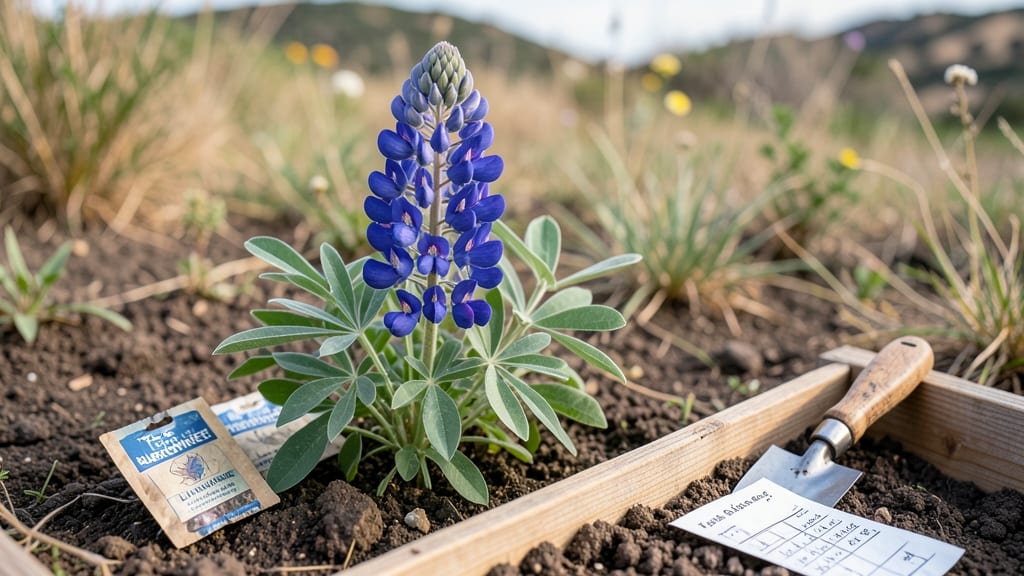
To plant a spring garden in Texas, time your seeds and transplants between mid-February and early April—depending on whether you’re in the Panhandle’s chill or South Texas’s early heat.
Texas gardeners know timing is everything—plant too early, and a late frost ruins your hard work; too late, and summer’s brutal heat arrives before your harvest. But with precise zone-specific planting dates, you can master the perfect window for zero-frost spring crops like tomatoes, peppers, and greens.
North Texas gardeners should wait until after March 15, when the last frost typically passes, while South Texas can start as early as February 1. Central Texas falls in between, with ideal planting dates spanning late February to early March.
Below, I break down the exact windows for each region, how to adjust for heat waves, and the three biggest mistakes Texas gardeners make when planting spring gardens—so you can avoid them and enjoy a bountiful harvest.
Texas planting Zones: exact dates for zero-frost spring crops by region
Texas gardeners know timing is everything—plant too early, and a late frost ruins your hard work; too late, and summer’s brutal heat arrives before your harvest. The key to success lies in understanding your USDA planting zone and adjusting your schedule to match your region’s last average frost date.
North Texas (Zones 7b-8a) faces unpredictable late frosts, while South Texas (Zones 9a-10a) can plant year-round with minimal frost risk.
For zero-frost spring crops like tomatoes, peppers, and basil, the window is narrow but critical. In North Texas, you’ve got about 4-6 weeks between the last frost and scorching summer temps, while Central Texas enjoys an extra 2-3 weeks.
South Texas gardeners can stretch their season even longer by focusing on heat-tolerant varieties and shade strategies.
Here’s your region-by-region breakdown of exact planting dates, including adjustments for heat-sensitive crops and succession planting to maximize your harvest before summer arrives.
🌱 Comparison Table: Texas Spring Planting Windows by Zone
In North Texas (Zones 7b-8a), your planting window for warm-season crops like tomatoes and peppers opens after your last frost, typically around April 15. But don’t wait too long—temperatures can soar by late May, stressing young plants.
For cool-season crops like lettuce and broccoli, start seeds indoors by February 15 or plant directly after your last frost. Use row covers to extend the season if a late frost threatens.
Central Texas gardeners in Zones 8a-8b have a slightly longer window, with warm-season crops like eggplants and okra thriving when planted after March 20. Here, succession planting is your best friend—sow a new batch of beans or cucumbers every 2 weeks to keep the harvest going.
For heat-sensitive crops like basil, provide afternoon shade after May 1 to prevent wilting.
South Texas (Zones 9a-10a) offers the most flexibility, but summer’s relentless heat demands strategy. While you can plant warm-season crops like peppers and tomatoes as early as February 1, avoid starting seeds after April 1.
Instead, focus on heat-tolerant varieties like 'Celebrity' tomatoes or 'Jalapeño M' peppers, and mulch heavily to retain moisture. For cool-season crops, grow them under 50% shade cloth during peak summer months.
Pro tip: Always check your soil temperature before planting warm-season crops—aim for 60°F+ for tomatoes and 65°F+ for peppers. Use a soil thermometer to avoid guessing. In North Texas, soil may not warm up until late April, while Central Texas can start earlier.
South Texas soil stays warm year-round, but humidity can stunt growth—raise beds to improve drainage.
For zero-frost success, align your planting with your region’s microclimate. A north-facing garden in North Texas may stay cooler longer, while a south-facing bed in South Texas can bake young plants.
Adjust your schedule by 1-2 weeks based on your specific location’s frost history. Use local weather data from sources like the Texas A&M AgriLife Extension to fine-tune your timing.
Remember, the goal is to give your plants enough time to establish roots before summer’s heat arrives. In North Texas, that means 6-8 weeks of growth before June; in Central Texas, aim for 8-10 weeks; and in South Texas, stretch it to 10-12 weeks with shade and mulch.
With these zone-specific dates, you’ll avoid the two biggest Texas gardening pitfalls: frost damage and heat stress.
Start planning now—mark your calendar for your region’s last frost date and count backward to determine your planting window. Whether you’re in Dallas, Austin, or Corpus Christi
How to adjust planting dates for Texas heat and humidity
Texas summers hit hard, but with smart adjustments, you can extend your growing season and avoid wilting plants before harvest. The key is succession planting, heat-resistant varieties, and strategic timing to beat the heat.
I’ve learned that even a few weeks can mean the difference between a thriving garden and a sad, sun-scorched disappointment.
Start by selecting heat-tolerant crops like okra, sweet potatoes, and malabar spinach—these thrive when other greens bolt. For traditional favorites, opt for early-maturing varieties of tomatoes and peppers, which can produce before the worst heat arrives.
Even a 10-day head start can make all the difference in Texas’ unpredictable spring weather.
🌡️ Top 5 Ways to Adjust Planting for Texas Heat
- 1. Succession Plant every 2-3 weeks for crops like lettuce, kale, and bush beans to ensure continuous harvests before summer heat peaks.
- 2. Use shade cloth (30-50%) over seedlings to reduce soil and air temperature by 10-15°F—critical for basil, cilantro, and cilantro in late spring.
- 3. Plant in late afternoon to give seedlings a cooler start; avoid midday heat stress when transplanting tomatoes and peppers.
- 4. Mulch heavily with straw or wood chips to retain moisture and keep roots 5-10°F cooler during peak heat.
- 5. Choose heat-resistant varieties like ‘Solar Fire’ peppers or ‘Heatmaster’ tomatoes, bred to thrive in 90°F+ temperatures.
Don’t forget about soil temperature—wait until it reaches at least 60°F before planting warm-season crops. Use a soil thermometer to check; cool soil slows germination and invites fungal diseases.
I once planted cucumbers too early in North Texas, and they rotted in the ground before sprouting—a lesson I won’t repeat!
For humidity-loving plants like okra and sweet potatoes, take advantage of Texas’ muggy summers by planting them after Memorial Day when humidity spikes. These crops actually perform better in high humidity than in dry heat, making them perfect for extending your season.
Pair them with drought-tolerant companions like rosemary or thyme to balance moisture needs.
Finally, plan for late summer by starting fall crops in August—this gives them time to establish before cooler weather arrives. Use row covers to protect tender greens from unexpected late-summer heatwaves. With these adjustments, you’ll turn Texas’ challenges into opportunities for a longer, more productive growing season.