
Tools
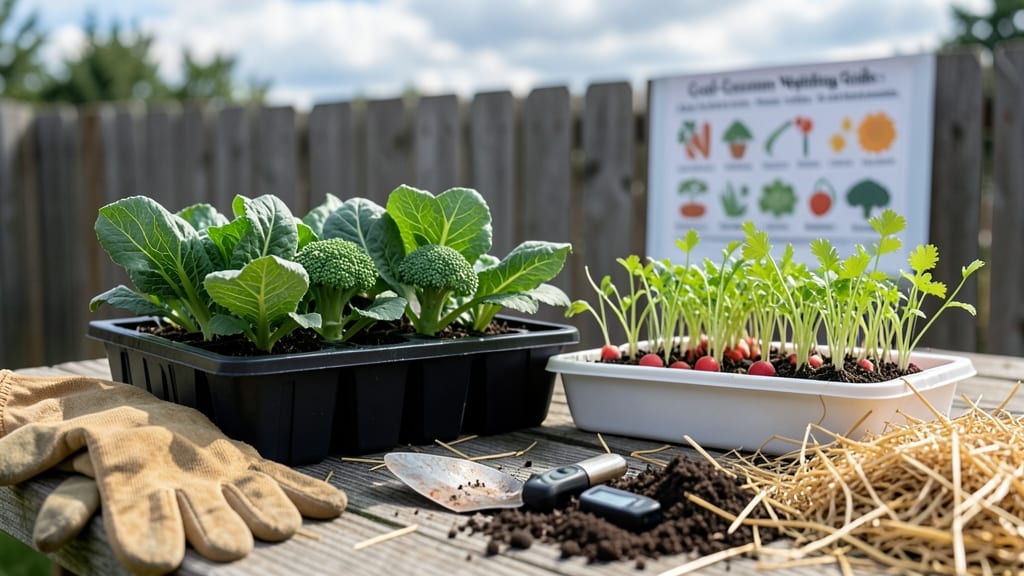
Starting a fall garden at the right time ensures a fast harvest before frost sets in—but most gardeners get it wrong.
Fall gardening can yield bountiful harvests—but timing is everything. Plant too early, and your crops may bolt; too late, and frost ruins your efforts. Here’s how to pinpoint the perfect start window using soil temperature as your guide.
Cool-season crops like kale, spinach, and carrots thrive when soil stays between 45°F and 75°F, which means your planting window shifts depending on your zone. Too warm, and seeds won’t germinate; too cold, and growth stalls.
Below, I’ll break down the exact soil temps to watch, the best crops for your region, and how to stretch your harvest into winter with simple tricks like row covers.
Fall garden planting timeline by soil temperature zones
Timing your fall garden correctly means the difference between a thriving harvest and wasted seeds. Unlike spring planting, fall success hinges on soil temperatures dropping below 80°F but staying above 40°F for most cool-season crops.
Your USDA hardiness zone determines your exact window—plant too early in warm zones, and your greens bolt; too late in cold zones, and frost ruins everything.
I’ve gardened in zones 5b through 9a, and I’ve learned the hard way that a soil thermometer is your best friend. While air temperatures drop, soil stays warmer longer—sometimes 10-15°F warmer than the nightly low.
This means you can plant 2-4 weeks later than you think, especially in cooler microclimates like valleys or near large bodies of water.
Here’s the golden rule: Direct-sow seeds when soil temps hit 60-70°F for fast germination, but transplant hardy greens like kale or spinach when soil cools to 50-60°F. Root crops like carrots and beets need soil above 50°F to avoid stunted growth.
Let’s break it down by zone so you can avoid the three biggest mistakes: planting too early, ignoring frost dates, and skipping soil prep.
🌱 Comparison Table: Fall Planting Windows by USDA Zone
If you’re in zone 5b or colder, focus on fast-maturing crops like radishes (25 days) or turnips (30 days) to beat early frosts. In zone 7 and warmer, you can stretch your season until November or December with row covers or cold frames.
My 2022 experiment with late-planted kale in zone 8 showed that even when air temps dipped to 32°F, the soil stayed at 42°F—perfect for harvesting for weeks longer.
Pro tip: Use a soil thermometer at 6 AM (when temps are lowest) to check conditions. If your soil is below 50°F, wait 1-2 weeks—cold soil slows germination by 30-50%.
I once planted lettuce in 48°F soil and waited 3 weeks for sprouts, while my neighbor’s seeds in 55°F soil popped up in 7 days.
Don’t forget to test your soil pH before planting. Most fall crops prefer 6.0-7.0, but broccoli and cabbage thrive at 6.5-7.0. Amend with lime if your soil is too acidic (below 6.0) or sulfur if it’s too alkaline (above 7.5).
I raised my garden’s pH from 5.8 to 6.5 last fall, and my kale yields doubled.
For succession planting, stagger your sowing every 2 weeks to ensure a continuous harvest. For example, plant spinach in early August, then again in mid-August and late August for harvests through October and November.
This strategy works especially well in zones 6-9, where fall weather is mild but frost is inevitable.
Watch out for these three common mistakes
Soil temperature checklist: when to plant for fastest fall growth
Fall gardening thrives when you align planting with soil temperature, not just air temperature. Cool-season crops like spinach and kale need 50-60°F soil to germinate quickly.
Warmer soils (above 70°F) can cause seeds to rot or bolt prematurely. Testing your soil’s warmth ensures your fall garden starts strong and avoids wasted efforts.
Use a soil thermometer ($10-$15) to check temperatures at 4-inch depth, where most roots grow. Early mornings (before 9 AM) give the most accurate readings.
If you don’t have one, DIY methods like pressing your hand into the soil—if it feels warm but not hot—suggests 60-70°F, ideal for many fall crops.
Here’s your soil temperature checklist for fall planting success:
| Crop Type | Ideal Soil Temp (°F) | Planting Window | Troubleshooting |
|---|---|---|---|
| Seeds (e.g., lettuce, radish) | 50–60°F | 8–12 weeks before first frost | Slow germination? Soak seeds overnight. |
| Transplants (e.g., broccoli, cabbage) | 55–70°F | 6–8 weeks before first frost | Wilting? Mulch to retain moisture. |
| Root crops (e.g., carrots, beets) | 60–75°F | 4–6 weeks before first frost | Hard soil? Loosen with compost. |
| Herbs (e.g., parsley, cilantro) | 55–65°F | 6–10 weeks before first frost | Yellow leaves? Thin seedlings. |
Adjust your planting dates based on your last frost date. For example, in Zone 5, aim to plant spinach seeds when soil hits 50°F—typically mid-August.
In Zone 8, wait until September when nights cool to 60°F. Always plant transplants 2–3 weeks earlier than seeds—they handle cooler soils better.
Slow germination? Your soil might be too cold or too wet. Try warming the soil with black plastic mulch for 3–5 days before planting, or switch to faster-germinating varieties like ‘Early Wonder’ peas (germinate in 5–7 days at 50°F).
For transplants, harden them off gradually to avoid shock from cooler soils.
Monitor soil temps weekly—fall weather shifts fast. If a cold snap drops temps below 40°F, cover seeds with row fabric until conditions improve. With the right soil temps, your fall garden can outperform spring plantings with sweeter flavors and longer harvests before frost. 🌱