
Watering
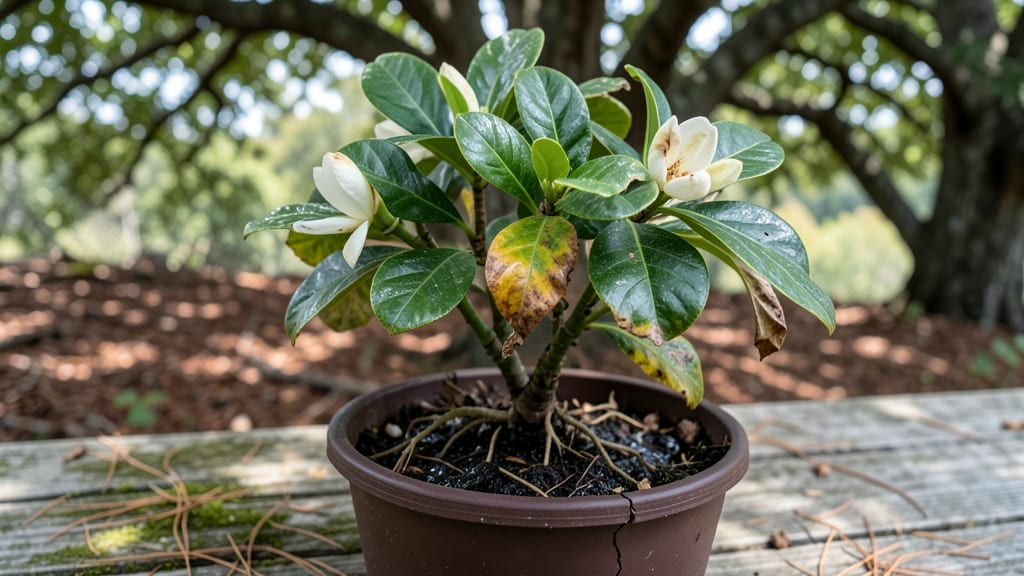
Yellow leaves on an overwatered gardenia signal root suffocation and nutrient loss. Stop watering immediately, let soil dry completely between waterings, and repot in well-draining soil if roots are rotten. Prune yellowed leaves to redirect energy to healthy growth.
When gardenias develop yellow leaves from overwatering, the problem starts at the roots. 🌱 Too much moisture cuts off oxygen, causing roots to suffocate and preventing them from absorbing water and nutrients effectively. This stress forces the plant to drop leaves to conserve energy, often starting with the older ones.
The good news is that gardenias are resilient—once you adjust their care routine, they can bounce back with proper attention to drainage and watering habits.
To prevent this issue long-term, I recommend using a moisture meter or simply sticking your finger 1-2 inches into the soil before watering. Gardenias prefer their soil to dry out slightly between waterings, especially in cooler months.
Adding perlite or sand to the potting mix can also improve drainage and keep roots healthy.
💡 In This Article
- Why Overwatering Turns Gardenia Leaves Yellow
- Step-by-Step Recovery Plan for Overwatered Gardenias
Why overwatering turns gardenia leaves yellow
When gardenias receive too much water, their roots experience oxygen deprivation—a condition called hypoxia. Roots need oxygen to function properly, and when soil stays soggy, beneficial aerobic bacteria can't thrive. This creates an anaerobic environment where harmful microbes multiply, breaking down root cells and preventing nutrient absorption.
The plant detects this stress and begins shedding leaves, often starting with older ones, as a survival mechanism to conserve energy.
The yellowing itself occurs because chlorophyll production slows down when roots can't supply essential nutrients like nitrogen and magnesium. These nutrients are vital for maintaining the green pigment in leaves. Without them, the chlorophyll breaks down, revealing the yellow carotenoids that were always present but masked by the green.
Overwatering also causes nutrient leaching—excess water washes away fertilizers and organic matter from the soil, further starving the plant.
Another critical factor is fungal growth. Soggy soil becomes a breeding ground for root rot fungi like Phytophthora, which thrive in waterlogged conditions. These fungi clog root cells with mycelium, blocking water and nutrient uptake.
You might notice a foul smell or see black, mushy roots if the problem has progressed. The plant's immune system weakens, making it more susceptible to secondary infections that accelerate leaf yellowing.
Gardenias are particularly sensitive because they naturally grow in well-draining, slightly acidic soils in their native tropical climates. When forced into heavy, water-retentive soils, their delicate root systems struggle to adapt. The combination of oxygen deprivation, nutrient loss, and fungal pressure creates a perfect storm for yellowing leaves.
Even slight overwatering can trigger this cycle, especially in containers where roots have limited space to escape excess moisture.
What makes this especially frustrating is that gardenias often show signs of distress only after the damage is already done. By the time you see yellow leaves, the roots may be partially compromised.
This is why acting quickly—within 24-48 hours of noticing the first yellowing—can make all the difference in saving the plant. The sooner you address the root issues, the better the chances of recovery.
Consider this analogy: Think of your gardenia's roots like a sponge. When fully saturated, it can't absorb anything new—it's already holding too much water. The plant's leaves are like the straw trying to sip from that overfilled sponge.
The solution? Let the sponge dry out before adding more water, and ensure it has proper drainage to prevent future saturation.
If you've ever wondered why some gardenias seem to handle watering differently, it often comes down to their root environment. Plants in sandy or gravelly mixes recover faster than those in heavy clay because water drains away more efficiently.
This is why amending your soil with 20-30% perlite or orchid bark can transform a struggling gardenia into a thriving one.