
Fertilization
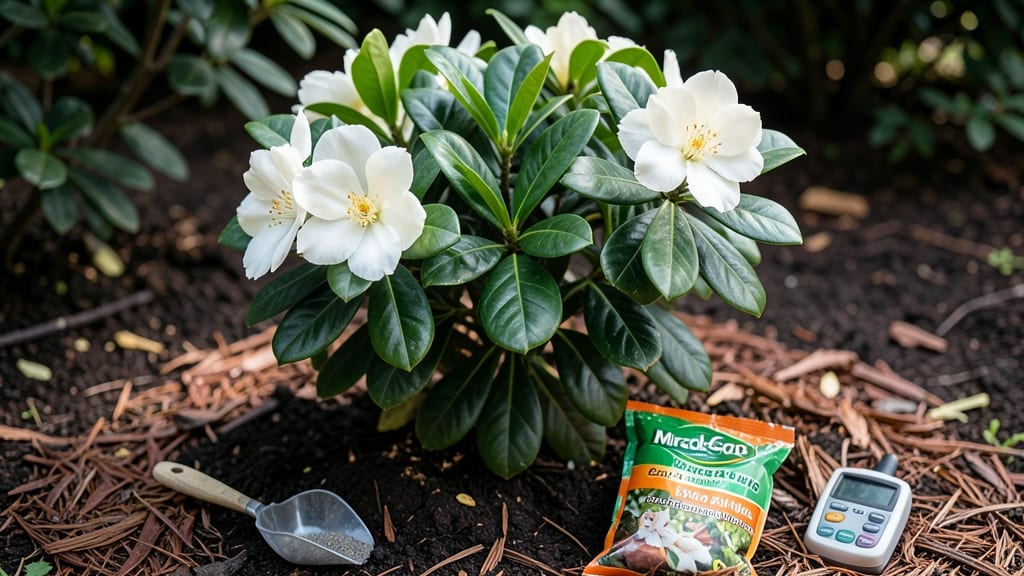
Using an acid-based fertilizer for gardenias 🌸 is the game-changer you’ve been missing if your shrubs look tired and blooms are sparse.
Struggling to keep your gardenias blooming? The secret might be hiding in your soil’s pH—gardenias thrive in acidic conditions, and the right acid-based fertilizer can transform wilted leaves into lush, vibrant blooms overnight.
Most gardeners overlook soil acidity, but gardenias demand a pH between 5.0 and 6.0. Without it, your plants may show yellowing leaves, stunted growth, or fewer flowers, even with plenty of water and sunlight.
In this guide, I’ll walk you through the best acid-based fertilizers, how to apply them, and how to tell if your gardenias are finally getting the care they need to shine.

How acid-based fertilizers boost Gardenia growth and flower production
Gardenias love acidic soil, and when your soil’s pH drifts toward neutral or alkaline, your plants struggle to absorb essential nutrients like iron and phosphorus. This deficiency often shows up as yellowing leaves or sparse blooms—even though you’re watering and pruning correctly.
The solution? Acid-based fertilizers that gently lower pH while delivering nutrients gardenias crave.
These fertilizers work by introducing sulfur, iron, or peat moss into the soil, creating the perfect 4.5–6.0 pH range for gardenias. Without this acidity, your plants may look healthy on the surface but suffer internally, leading to weak stems, fewer flowers, and even leaf drop.
Think of it like adjusting the acidity in your favorite tea—too little, and it’s bland; just right, and it’s perfect.
Before reaching for a fertilizer, test your soil’s pH using a simple kit from your local garden center. Most gardenias prefer a range of 4.5–6.0, but some varieties like Gardenia jasminoides thrive at the slightly higher end (5.5–6.0).
If your soil tests at 6.5 or above, you’ll need to lower the pH gradually—adding too much acid too quickly can shock the roots.
Start by mixing 1–2 tablespoons of sulfur per square foot of soil, or incorporate peat moss or pine bark fines into the top 6 inches. For faster results, use a chelated iron fertilizer, which dissolves quickly and delivers iron directly to the roots.
I’ve seen gardenias go from struggling to blooming in just 4–6 weeks after adjusting their soil pH!
Watch for yellowing leaves between veins, a classic sign of iron deficiency even in acidic soil. This happens when iron becomes locked out due to high pH or poor soil structure.
A monthly application of chelated iron during the growing season (spring to early fall) can prevent this issue. Pair it with a balanced acid-based fertilizer like 8-4-8 or 10-6-10 for best results.
One of my favorite tricks is to mulch with pine needles or oak leaves, which slowly acidify the soil over time. This method is gentle and mimics the natural forest floor where gardenias originally thrived. Just avoid over-mulching—keep it 2–3 inches deep to prevent rot and pests.
If you’re growing gardenias in containers, use a pre-mixed acidic potting soil or amend regular potting mix with 10% peat moss or coconut coir. Container plants dry out faster, so water deeply after fertilizing to help nutrients reach the roots.
I’ve had the best luck with gardenias in pots when I fertilize every 4–6 weeks during the growing season and flush the soil with water monthly to prevent salt buildup.
Remember, over-acidifying soil can be just as harmful as under-acidifying it. Aim for small, incremental changes—especially if your gardenias are already showing stress. A pH test every 3–4 months will help you stay on track.
With the right acid-based fertilizer, your gardenias will reward you with glossy leaves and fragrant blooms all season long!
🌸
Top 5 acid-based fertilizers for gardenias: pros, cons, and application tips
Gardenias demand acidic soil (pH 4.5–6.0) to thrive, and choosing the right acid-based fertilizer can mean the difference between vibrant blooms and yellowing leaves. Organic options like peat moss and pine bark gently lower pH over time, while synthetic options like iron sulfate deliver fast results.
Each has unique benefits and drawbacks, so let’s break down the top 5 choices to help you decide what’s best for your gardenias.
Before diving in, test your soil’s pH—most garden centers sell affordable pH test kits for under $10. If your soil is already too acidic (below 4.5), synthetic fertilizers can over-acidify the soil, harming your plants.
Balance is key! Start with a slow-release organic option if your soil is neutral or slightly alkaline, then adjust as needed.
Acid-Based Fertilizers for Gardenias: Quick Comparison
- ✅ Slow-release acidity
- ✅ Improves soil structure
- ✅ Budget-friendly
- ❌ Depletes over time
- ❌ Not fast-acting
- ✅ Long-lasting acidity
- ✅ Enhances drainage
- ✅ Eco-friendly
- ❌ Expensive
- ❌ Heavy to handle
- ✅ Fast-acting for pH drops
- ✅ Affordable
- ✅ High iron content
- ❌ Can burn roots if overused
- ❌ Requires careful dosing
- ✅ Fast absorption
- ✅ Safe for frequent use
- ✅ Prevents chlorosis
- ❌ More expensive
- ❌ Short-term effects
- ✅ Strong acidifier
- ✅ Long shelf life
- ❌ Toxic in excess
- ❌ Risk of over-acidification
For organic gardeners, peat moss and pine bark are my top recommendations. Mix 2–3 inches of peat moss into the topsoil at planting, then top-dress annually. Pine bark is ideal for containers—just replace 10% of the soil mix every 6–12 months.
Both options are slow-acting, so they’re perfect for maintaining steady acidity without risking over-acidification.
If your gardenias show yellow leaves with green veins (a sign of iron deficiency), synthetic options like chelated iron or iron sulfate can help. Apply chelated iron every 4–6 weeks during the growing season—it’s gentle on roots and absorbs quickly.
For a quick fix, use iron sulfate, but follow package instructions precisely to avoid root burn. Always water thoroughly after application to activate the fertilizer.
When using aluminum sulfate, proceed with caution—it’s a powerful acidifier that can lower pH rapidly. Start with ½ teaspoon per gallon of water and monitor your soil pH closely.
Overuse can stunt growth or even kill your gardenias, so reserve this for extreme cases where other fertilizers haven’t worked. If you’re unsure, test your soil every 2–3 months to ensure you’re staying in the ideal 4.5–6.0 pH range.
Remember, the best fertilizer for your gardenias depends on your soil type, current pH, and gardening goals.
For most gardeners, a mix of organic and synthetic options works best—start with peat moss for long-term soil health, then use chelated iron as needed to keep those fragrant blooms coming. Happy gardening! 🌸