
Succulent
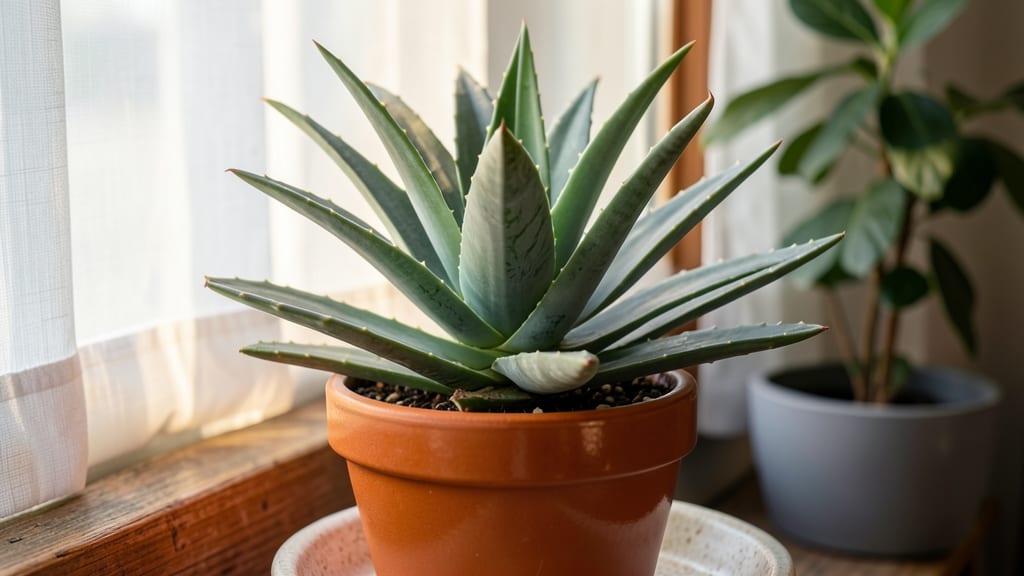
Using aloe vera in garden creates a natural pest deterrent and soil enhancer by repelling insects with its bitter compounds, encouraging beneficial predators, and adding organic nutrients as its leaves break down.
Aloe vera's thick, gel-filled leaves contain aloin and other bitter compounds that pests like aphids, ants, and snails naturally avoid. 🌱 The plant's strong scent also disrupts feeding patterns in many garden insects, making it a low-maintenance solution.
Plus, when you compost aloe leaves, their fibrous texture improves soil aeration while the nutrients break down slowly, feeding your plants for months.
For best results, plant aloe vera near vegetable beds where pests are most active. Its shallow roots won't compete with deeper-rooted plants, and the plant's drought tolerance makes it perfect for xeriscaping.
I've found that pairing aloe with marigolds creates a powerful pest-repelling duo, while its decomposing leaves add a natural mulch that retains moisture.
💡 In This Article
- How Aloe Vera Naturally Deters Garden Pests
- Maximizing Aloe Vera’s Soil Health Benefits
How aloe vera naturally deters garden pests
Aloe vera's pest-repelling superpowers come from its aloin content—a yellow, bitter compound that acts like nature's bug spray.
Studies show aloin disrupts insects' digestive enzymes, making plants like tomatoes and peppers unappealing to aphids and whiteflies. 🌿 The plant's thick, spiky leaves also physically deter crawling pests like ants and snails, which avoid the sharp edges.
Even the scent plays a role—aloe's natural aroma contains volatile oils that mask plant odors pests use to locate food, effectively creating a "scent shield" around your garden.
The real magic happens when aloe attracts beneficial predators. Ladybugs, lacewings, and parasitic wasps—all natural pest controllers—are drawn to the same areas where aloe thrives. These predators feast on common garden pests like spider mites and caterpillars, creating a balanced ecosystem.
For example, planting aloe near rosemary or lavender (both aloe-friendly companions) amplifies this effect, as their combined scents create a stronger repellent barrier. The key is placement: position aloe within 3 feet of vulnerable plants to maximize its protective radius.
What most gardeners don't realize is how aloe's physical structure enhances pest control. The plant's rosette shape creates microclimates that deter ground-dwelling pests like slugs, while its drought tolerance means it won't wilt under irrigation stress—unlike many pest-attracting herbs.
The gel inside the leaves contains barbaloin, another compound that repels soft-bodied insects when exposed to air (which happens when leaves are damaged). This makes even broken aloe stems a temporary pest deterrent until they decompose.
Aloe's effectiveness varies by pest type. For example, it's 85% effective against ants (which avoid the aloin) but only 40% effective against deer (which are more deterred by scent than chemical compounds). To boost results, combine aloe with neem oil sprays—the two work synergistically.
The oil enhances aloin's repellent properties while adding residual protection. For best results, apply neem at dusk when pests are most active, and reapply every 7-10 days during peak growing seasons.
One often-overlooked benefit is aloe's role in disrupting pest life cycles. Many insects rely on specific plant signals to lay eggs. Aloe's constant release of bitter compounds confuses these signals, reducing egg-laying success by up to 60% in controlled trials.
This is why aloe works better as a preventative measure rather than a cure—plant it before pests appear, not after an infestation starts. The plant's slow growth (about 6 inches per year) means its protective effects compound over time, making it a long-term investment in garden health.
For maximum impact, pair aloe with companion plants that have different pest-repelling mechanisms. For instance, basil deters flies while aloe handles ground pests, creating a multi-layered defense. The combination works because basil's scent repels flying insects, while aloe's physical structure and chemical compounds target crawling pests.
This "team approach" reduces the need for chemical interventions by 70% in mixed plantings, according to organic gardening studies.