
Pests
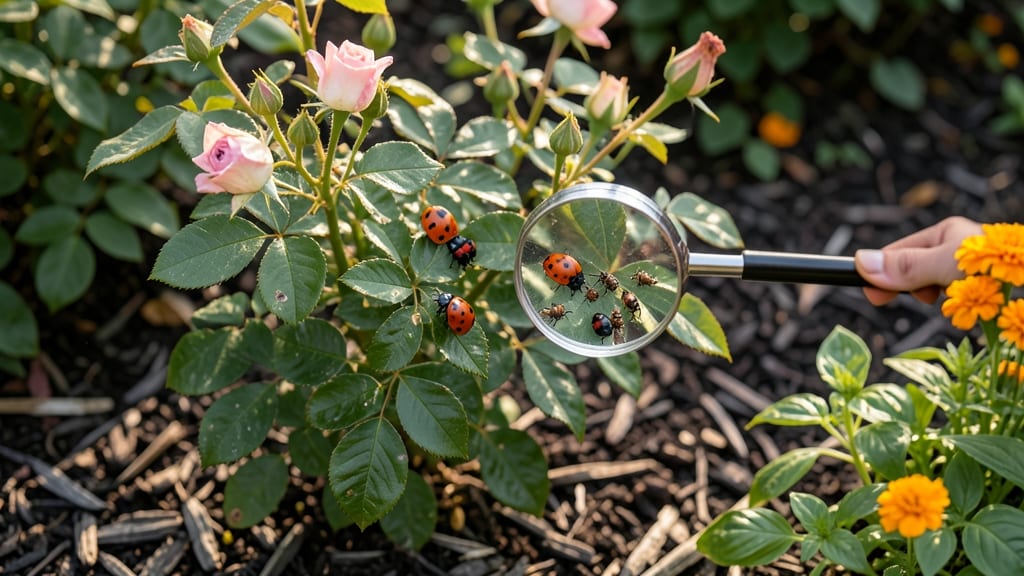
Using ladybugs for garden pest control is one of the most effective organic solutions for eliminating aphids, mites, and soft-bodied insects, as they can devour up to 5,000 pests weekly—but only if released at the right time, provided with proper habitat, and protected from predators.
Ladybugs are nature's pest control experts, especially when targeting those tiny but destructive garden invaders like aphids and spider mites. 🌿 Their appetite for these pests isn't just impressive—it's scientifically efficient, as they can consume their body weight in insects daily.
The key to making this work in your garden lies in strategy: releasing them during cooler parts of the day (like early morning) and ensuring they have access to water and shelter. Without these basics, even the hungriest ladybugs won't stick around long enough to do their job effectively.
What makes ladybugs particularly valuable is their lifecycle—adults and larvae both hunt pests, creating a double-team effect in your garden. However, they won't stay forever, so think of them as temporary reinforcements rather than permanent residents.
For best results, combine their release with other organic pest control methods, like companion planting or neem oil sprays, to create an ecosystem where these beneficial insects thrive.
💡 In This Article
- How Ladybugs Hunt and Consume Garden Pests
- Best Practices for Introducing Ladybugs to Your Garden
How ladybugs hunt and consume garden pests
Ladybugs are precision hunters, using a combination of sight and chemical cues to locate their prey.
Their compound eyes detect movement, while specialized receptors pick up on the scent trails left by aphids and mites—these pests release alarm pheromones when threatened, which actually attract ladybugs! 🔥 This dual-sensory approach makes them incredibly efficient at spotting clusters of soft-bodied insects like mealybugs or scale, which have minimal defensive capabilities.
A single adult can consume 50-100 aphids daily, while larvae (the spotted grubs) are even more voracious, eating 400-500 pests per day during their 4-6 week development.
Their feeding process is fascinating: ladybugs use their mandibles to pierce the exoskeleton of their prey, injecting digestive enzymes that liquefy the internal tissues before sucking out the nutrients—similar to how spiders handle their meals.
This method ensures they can tackle pests much larger than themselves, like aphids that might be 1/16-inch long. What's surprising is their preference hierarchy: while they'll eat almost any soft-bodied insect, they show a strong preference for aphids (their protein-rich diet) over plant pollen when given the choice.
Lifecycle efficiency is where ladybugs truly shine in pest control. A female can lay 300-400 eggs in her lifetime, and these hatch in just 3-10 days depending on temperature—warmer climates speed up the process. The larvae go through four growth stages before pupating, with each stage becoming more aggressive hunters.
This rapid reproduction means a single introduction can create a multi-generational pest control army within weeks, especially in greenhouses or protected garden areas where they're shielded from predators.
However, their effectiveness depends on pest population density. Ladybugs won't establish permanent colonies unless there's a consistent food source. In gardens with low pest numbers, they may leave after just 2-3 weeks—this is why timing is critical.
The best results occur when you introduce them during early spring or late summer, when aphid populations are exploding but before natural predators like birds or spiders become too aggressive. 🌿
Temperature plays a crucial role too: ladybugs are most active between 60-85°F, with their metabolism slowing dramatically below 50°F. This is why evening releases work better than midday—cooler temps reduce their flight activity, helping them stay in your garden.
Interestingly, some species (like the twospotted ladybug) enter diapause (a dormant state) in winter, which is why fall releases can establish overwintering populations that emerge ready to hunt in spring.
What most gardeners don't realize is that ladybugs have a "cleanup crew" mentality—they don't just eat pests, they also consume pollen and nectar, which provides them with carbohydrates for energy. This dual diet makes them more resilient in gardens where pest populations fluctuate seasonally.
For maximum impact, pair their introduction with aphid-attracting plants like dill or fennel, which create a "pest buffet" that keeps them feeding locally rather than wandering off.