
Advice
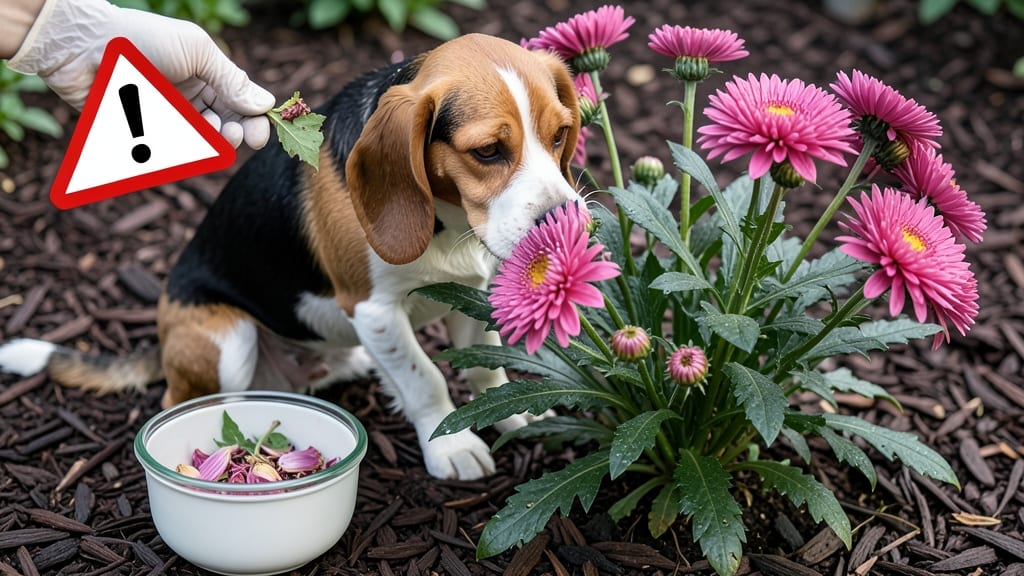
Garden mums (chrysanthemums) are toxic to dogs because their pyrethrin compounds can trigger symptoms like drooling, vomiting, and skin irritation when chewed or ingested. Always remove them from your pet's reach and consult your vet immediately if you suspect exposure.
These bright fall flowers contain natural pesticides called pyrethrins, which dogs metabolize poorly. 🐾 Even small amounts can cause gastrointestinal upset or neurological issues, especially in small breeds. The severity depends on how much your dog consumes—the leaves contain higher concentrations than the petals.
I've seen cases where curious pups nibbled on fallen blooms and ended up with mild stomachaches, but larger ingestions can lead to more serious complications.
If your dog shows signs like lethargy, pawing at their mouth, or excessive drooling within hours of exposure, it's a red flag. While some dogs may only have mild reactions, others—particularly those with liver issues—could face more dangerous symptoms.
That's why I always recommend keeping these plants out of your yard or using raised garden beds to create a pet-safe boundary.
💡 In This Article
- Toxic Compounds in Chrysanthemums and Their Effects on Dogs
- Safe Alternatives to Garden Mums for Pet-Friendly Gardens
Toxic compounds in chrysanthemums and their effects on dogs
Chrysanthemums contain natural insecticides called pyrethrins, which act as neurotoxins by disrupting nerve signal transmission in insects—and dogs too. These compounds bind to sodium channels in nerve cells, causing rapid firing of signals that lead to muscle tremors, drooling, and gastrointestinal distress.
The plant also produces sesquiterpene lactones, which irritate the mouth and digestive tract, explaining why dogs often drool or vomit after ingestion. 🌿
The toxicity level varies by plant part: leaves contain 0.05-0.1% pyrethrins by dry weight, while flowers have about half that concentration. A small dog (under 20 lbs) might show symptoms after eating just 1-2 leaves, whereas a large breed could tolerate more before reactions appear.
The ASPCA reports that even dried mums pose risks, as their concentrated compounds remain potent for months.
Dogs metabolize pyrethrins poorly because their liver enzymes break them down more slowly than in humans. This leads to prolonged exposure, which is why symptoms like vomiting, diarrhea, or lethargy can last 24-48 hours even after the plant is eliminated.
Some breeds, particularly those with liver conditions (like Dalmatians or Dobermans), are at higher risk for severe reactions due to impaired detoxification.
Neurological signs—such as pawing at the mouth, incoordination, or seizures—occur when pyrethrins overwhelm the nervous system. These symptoms typically appear within 6-12 hours of ingestion, though mild cases may take longer.
The good news? Most dogs recover fully with supportive care, but severe cases require veterinary intervention to manage dehydration or respiratory issues.
Interestingly, the same compounds that make mums toxic to dogs are why they’ve been used for centuries as natural insect repellents.
In small doses, pyrethrins are safe for humans but deadly to insects—proving how delicate the balance of plant chemistry can be. 🐕 This is why pet owners should treat garden mums like they would lilies or sago palms—beautiful but dangerous if ingested.
If your dog shows signs of exposure, don’t wait to call a vet. Bring a sample of the plant (if possible) to confirm the diagnosis, as symptoms can mimic other conditions like food poisoning.
Early intervention can make all the difference in preventing a minor upset from turning into a medical emergency.