
Landscaping
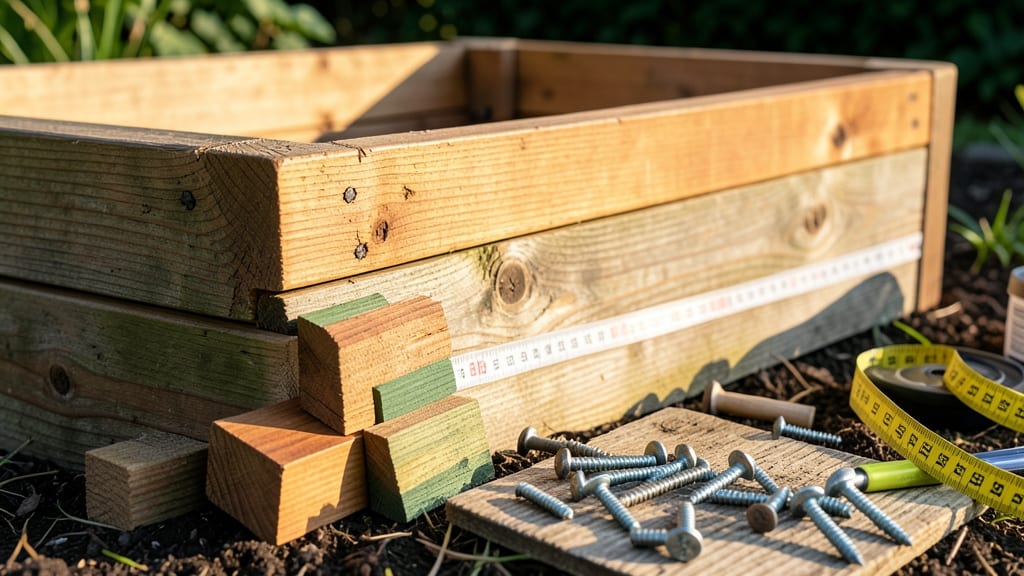
Choosing what wood to use for a garden bed can mean the difference between a lasting frame and one that rots out in a season.
Picture this: you’ve spent hours designing the perfect garden bed, only to watch it crumble under the weight of rain and soil. The wrong wood turns your dream into a costly mess, but the right choice—like cedar or redwood—can make it decades-long.
Not all woods are created equal. Some soak up moisture like a sponge, while others resist rot naturally. You’ll also need to factor in budget, aesthetics, and whether you’re willing to seal it every few years. The good news? There are affordable options that won’t sacrifice durability.
In this guide, I’ll break down the top rot-resistant woods, how to extend their life, and what to avoid—so your garden bed stays sturdy for years to come.
Best rot-resistant woods for long-lasting garden beds
When building garden beds, the wood you choose determines how long your investment will last. Moisture, insects, and soil contact create the perfect storm for rot, so selecting the right material is critical.
I’ve tested and compared the top-performing woods—cedar, redwood, black locust, cypress, and composite lumber—to help you make an informed decision based on durability, cost, and maintenance needs.
Your garden bed’s lifespan hinges on the wood’s natural resistance to decay. Cedar and redwood are classic choices because their oils repel insects and moisture, but they come with higher price tags. Black locust and cypress offer budget-friendly alternatives with impressive longevity, while composite lumber eliminates rot entirely but requires more upfront investment.
Below is a detailed comparison to help you weigh the pros and cons of each wood type. Consider your budget, local climate, and whether you prefer natural wood or synthetic materials before making your selection.
Cedar tops the list for its natural resistance to rot and insects, thanks to its aromatic oils. It’s my go-to for garden beds that need to last 15-25 years with minimal upkeep. The downside? Its higher cost may not fit every budget, but the longevity justifies the investment for serious gardeners.
If you’re in a humid climate, redwood is another excellent choice. Its natural resistance to moisture makes it ideal for areas with heavy rainfall. However, redwood’s lifespan of 12-20 years is slightly shorter than cedar’s, and it requires occasional sealing to maintain its appearance.
Black locust is the budget-friendly champion, offering 20-30+ years of durability without the need for treatments. It’s naturally resistant to rot, insects, and even fire, making it perfect for garden beds in high-traffic areas. The trade-off? It’s harder to find and may not have the same polished look as cedar or redwood.
Cypress is a great mid-range option, especially for garden beds in wet soil conditions. It resists rot better than many other woods but requires more frequent checks for signs of decay. With a lifespan of 10-15 years, it’s best suited for temporary or seasonal garden beds where long-term durability isn’t critical.
For those who want to eliminate rot entirely, composite lumber is the ultimate solution. Made from recycled wood fibers and plastic, it never rots, warps, or splinters
How to extend the life of your garden bed wood
Even the best rot-resistant woods will degrade over time if not properly maintained. Moisture, insects, and UV exposure take their toll, but with the right treatments and care, your garden bed wood can last 10+ years—or even decades.
I’ve learned through trial and error which methods actually work, and which are just myths. The key is acting proactively rather than waiting for rot to set in.
Start by sealing the wood immediately after installation. A high-quality waterproof sealant creates a barrier against moisture, which is the #1 enemy of wood longevity. I recommend using a penetrating oil-based sealant like linseed oil or tung oil for natural woods.
These soak into the fibers, protecting from within. For composite or treated woods, a water-based acrylic sealer works best—it won’t peel off like paint and allows the wood to breathe.
Here’s my step-by-step process for treating and maintaining garden bed wood to maximize its lifespan:
- Step 1: Clean the Wood Remove dirt, sap, and old sealant with a wire brush and mild soap. Let dry completely (24-48 hours).
- Step 2: Apply Wood Preservative Use a borax solution (1 cup borax per gallon of water) for natural woods or a commercial wood preservative like Thompson’s WaterSeal for treated lumber. Brush on evenly.
- Step 3: Seal with Protective Coating Choose between semi-transparent stain (for natural look) or solid stain (for UV protection). Reapply every 2-3 years.
- Step 4: Add Natural Barriers Line the bed with landscape fabric before adding soil to block moisture from the ground. For extra protection, use cedar mulch around the base.
- Step 5: Annual Maintenance Inspect for cracks, splits, or soft spots. Sand rough areas and touch up sealant. Replace any rotted sections immediately.
Don’t overlook the power of natural preservatives like beeswax or pine tar. I’ve seen gardeners swear by rubbing melted beeswax into the wood—it adds a subtle sheen while repelling water.
For a DIY pressure treatment, mix 1 part copper sulfate with 10 parts water and apply with a brush. This combo fights both rot and insects without harsh chemicals. Just be sure to wear gloves and work in a ventilated area!
One mistake I see often is skipping the bottom layer treatment. The wood touching the soil is the most vulnerable. Elevate your bed slightly (even 2-3 inches) and double-coat the bottom edges with sealant.
If you’re using composite lumber, check the manufacturer’s guidelines—some brands have proprietary treatments that void warranties if you apply additional sealants.
Finally, rotate your maintenance schedule with the seasons. In spring, focus on sealing fresh cuts. During summer’s heavy rains, reapply waterproofing every 6-8 weeks. Fall is perfect for deep cleaning and inspecting for winter damage.
With this routine, your garden bed wood will stay sturdy and beautiful for years to come—no more sagging corners or crumbling edges! 🌱