
Container Gardens
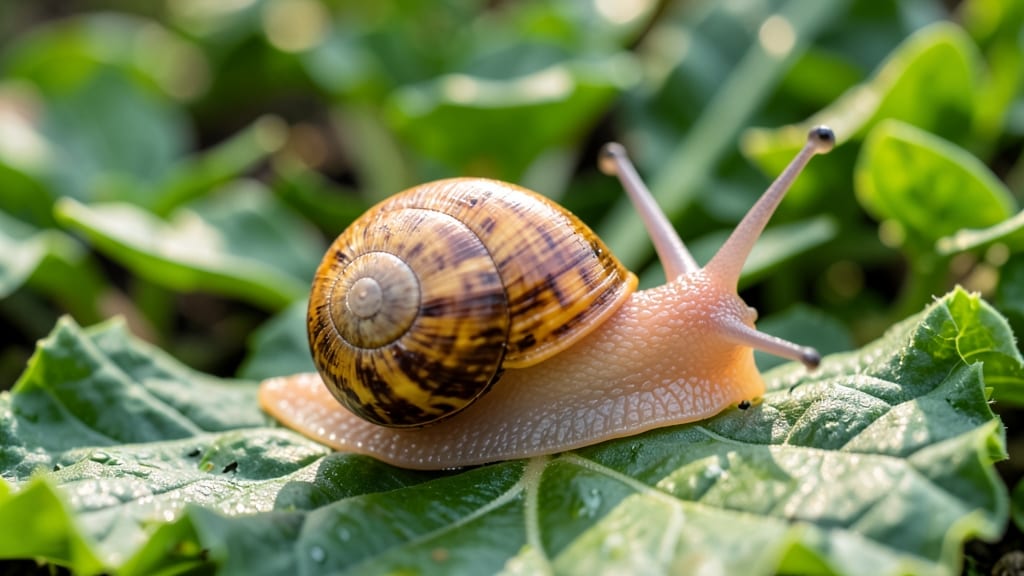
Snails are good for gardens as natural aerators and decomposers, breaking down organic matter to enrich soil fertility, though their appetite for young plants and tender leaves requires balanced management to prevent overgrazing.
Snails act like tiny soil engineers, tunneling through the earth as they feed on decaying plant material. 🌱 This activity improves drainage and aeration, which helps roots grow deeper and stronger. Their slime also contains beneficial microbes that further boost soil health.
However, their love for fresh greens can quickly turn beneficial into problematic if left unchecked—especially in vegetable gardens where seedlings are most vulnerable.
What makes them particularly valuable is their role in breaking down tough organic matter like fallen leaves or wood chips. Unlike slugs, snails leave behind nutrient-rich trails that act as natural fertilizer, though their slow movement makes them less destructive than their slimy cousins.
The key to keeping them helpful rather than harmful lies in creating a garden where they have plenty of alternative food sources—like compost piles or mulch—so they don't turn to your prized plants.
💡 In This Article
- How Snails Benefit Soil Health and Plant Growth
- Managing Snail Populations Without Harming Your Garden
How snails benefit soil health and plant growth
Snails serve as nature's composters, breaking down organic matter through their specialized radula—a file-like structure that grinds plant debris into fine particles. This process accelerates decomposition, turning tough materials like leaf litter or wood chips into nutrient-rich humus that improves soil structure.
Their tunneling activity also aerates compacted soil, creating channels that allow water and oxygen to penetrate deeper—critical for root development in dense or clay-heavy soils.
Their slime trails contain beneficial bacteria and fungi that further enhance microbial diversity in the soil. Studies show snail slime can increase microbial populations by up to 30% in treated areas, which helps break down complex organic compounds into plant-available nutrients like nitrogen and phosphorus.
This microbial boost is particularly valuable in container gardens where soil volume is limited. However, this benefit comes with a trade-off: snails prefer soft, young plant tissues, which means seedlings and tender greens become prime targets for their appetites.
Consider the contrast between snails and their more notorious relatives, slugs. While both feed on decaying matter, snails leave behind nutrient trails that can act as natural fertilizer when concentrated in compost piles or mulch beds.
Their slower movement means they're less likely to devastate entire plantings overnight, though their shell provides protection against many predators. The key difference lies in their feeding habits—snails tend to focus on organic debris first, only turning to live plants when other food sources are scarce.
For gardeners using mulch, snails can be particularly helpful. They'll consume fallen leaves and grass clippings, breaking them down into finer particles that decompose faster. This creates a self-sustaining cycle where the mulch layer becomes richer over time.
The challenge arises when snails migrate from these food sources to nearby vegetables or flowers. In my own garden, I've noticed that maintaining a thick mulch layer around vulnerable plants creates a buffer zone that keeps snails focused on the mulch rather than the plants.
One often-overlooked benefit is their role in seed dispersal. Snails consume fallen fruits and seeds, then deposit them in different locations through their waste. This natural process helps spread plant diversity within the garden ecosystem.
The trade-off is that they may also consume newly germinated seeds, which can be problematic in seedling beds. This dual role highlights why balanced management is essential—snails contribute to garden health in multiple ways, but their presence must be carefully monitored.
To maximize their benefits while minimizing risks, create designated feeding zones. Place compost piles or leaf litter away from young plants, and consider adding snail-friendly plants like hostas or lettuce as sacrificial crops. This approach allows snails to fulfill their ecological role without threatening your prized vegetables or flowers.
The result is a garden where these tiny creatures work as part of the ecosystem rather than against it.