
Vegetables
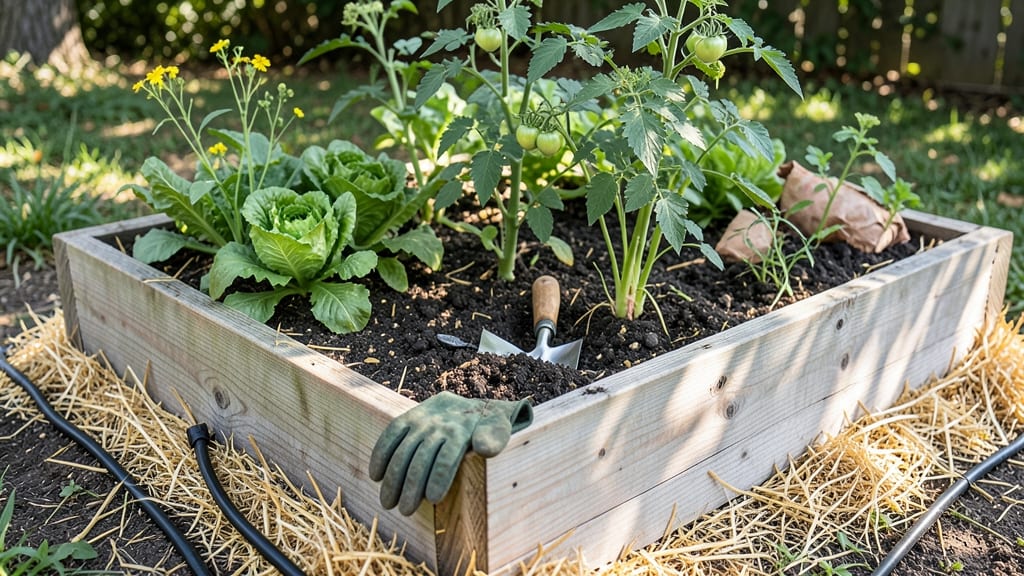
The best soil for vegetable garden raised beds is a nutrient-rich loam blend (60% topsoil, 30% compost, 10% perlite) with a neutral pH of 6.0–7.0 to support healthy root systems and maximize plant productivity.
This ideal mix combines the best traits of different soil types—loam's balanced texture, compost's nutrient density, and perlite's drainage—creating an environment where vegetables thrive. 🌱 The 60/30/10 ratio ensures roots get both oxygen and moisture while preventing compaction, which is especially critical in raised beds where drainage is less controlled than in ground plots.
For leafy greens like lettuce, you might add more compost (up to 40%) for extra fertility, while root crops benefit from slightly coarser perlite to prevent splitting.
What makes this blend work so well is its adaptability. Unlike pure clay soil that holds too much moisture or sandy soil that drains too quickly, this mix stays consistently productive across growing seasons.
I've found that maintaining the pH between 6.0–7.0 is equally important—it prevents nutrient lockout that can stunt growth, particularly for heavy feeders like tomatoes and peppers.
💡 In This Article
- How Loam, Clay, and Sandy Soils Affect Raised Bed Vegetable Growth
- DIY Raised Bed Soil Mix Recipes for Different Vegetable Types
How loam, clay, and sandy soils affect raised bed vegetable growth
Loam soil is the gold standard for raised beds because it combines equal parts sand, silt, and clay—creating a crumbly texture that holds moisture without suffocating roots. This balance is critical because vegetables like tomatoes and peppers need consistent hydration but also oxygen for robust root systems.
In contrast, clay soil's high silt content creates dense, waterlogged conditions that stunt growth by blocking air pockets—roots in pure clay can suffocate, leading to yellowing leaves and poor yields. Sandy soil, while well-draining, washes away nutrients too quickly, forcing plants to work harder just to survive.
The key difference lies in porosity: loam has 40-60% pore space for air and water movement, while clay soils often have less than 30% due to tightly packed particles.
This porosity directly affects nutrient availability—loam releases nutrients gradually, whereas sandy soil requires frequent fertilization to compensate for its low organic matter content. 🌱 For example, carrots grown in sandy soil may split if moisture fluctuates, while the same variety in loam develops uniformly with crisp texture and sweet flavor.
Disease resistance also varies dramatically. Clay soils promote fungal growth due to excess moisture, while sandy soils dry out too quickly, stressing plants. Loam's balanced moisture creates a stable environment where beneficial microbes thrive, outcompeting pathogens.
I've noticed this firsthand when growing spinach—plants in loam stay vibrant and disease-free, while those in clay develop powdery mildew within weeks. The pH plays a secondary role here: clay's natural alkalinity (often 7.5+) locks out nutrients like iron and manganese, causing deficiency symptoms even when fertilizer is applied.
For raised beds, the elevated structure changes the game. Without the natural drainage of ground soil, clay-heavy mixes become even more problematic, while sandy blends dry out faster.
This is why the 60% topsoil base in our recommended mix acts as a neutral foundation—it provides structure while allowing amendments to fine-tune the balance. Perlite's addition (10%) specifically targets clay's compaction issues by creating air channels, while compost's organic matter boosts microbial activity that sandy soil lacks.
Consider these soil properties at work when choosing plants: root crops like potatoes need loose soil to expand without resistance, while leafy greens tolerate slightly denser mixes. The texture difference is noticeable when you dig—loam feels like a damp sponge, clay sticks to your shovel, and sand falls through fingers.
This tactile feedback helps gardeners adjust their mixes seasonally. For instance, adding 1-2 inches of compost annually maintains loam's fertility without disrupting its structure.
One common mistake is assuming all raised beds need identical mixes. Heavy feeders like tomatoes benefit from extra compost (up to 35% of the blend), while drought-resistant veggies like zucchini can handle slightly more perlite (15%) for faster drainage.
The science shows that root zone temperature also shifts with soil type—loam stays 5-10°F cooler than sandy mixes in summer, protecting heat-sensitive crops from bolting.