
Landscaping
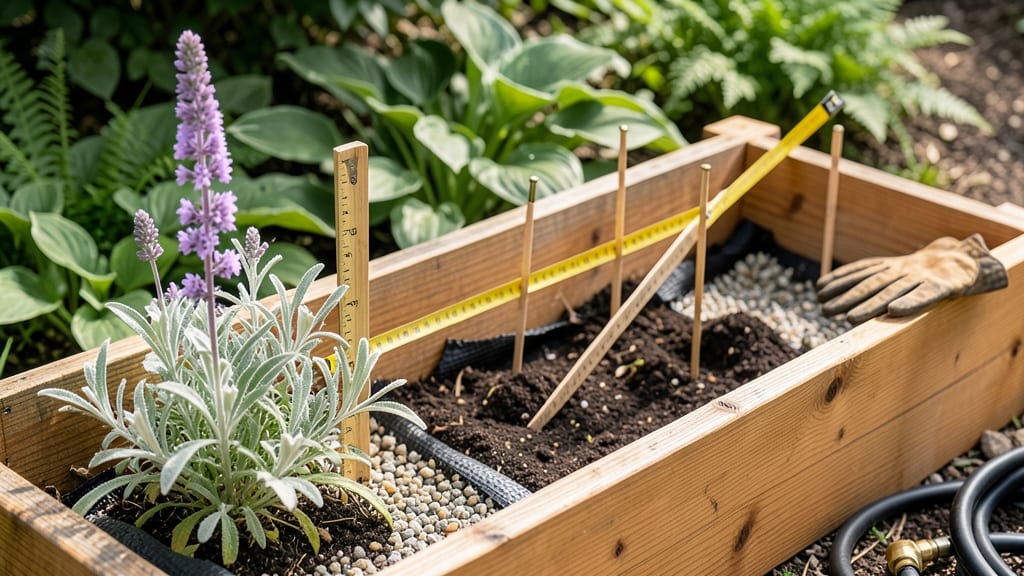
How tall to make raised garden beds is the secret to happy plants and easy gardening 🌱—too low and roots struggle, too high and you’ll battle weeds and drainage.
Picture this: you’ve spent hours building the perfect bed, only to realize your tomatoes can’t reach the bottom soil, or worse, your knees scream after every weeding session. The height isn’t just about looks—it’s about function, from root depth to how you’ll actually use the space.
Most gardeners aim for 6 to 12 inches for shallow-rooted plants like lettuce or herbs, but deep-rooted veggies like potatoes or carrots need 12 to 24 inches to thrive. And if accessibility matters—whether for kids, wheelchairs, or your own back—you might need to go even taller.
In this guide, I’ll break down the exact heights for different plants, how to adjust for your soil and climate, and the 3 biggest mistakes that ruin drainage or soil quality. Let’s get your beds built right the first time.


Optimal raised garden bed heights by plant type and root depth requirements
Choosing the right raised garden bed height starts with understanding your plants' root depth requirements. Most herbs and leafy greens thrive in beds just 6–12 inches deep, while deep-rooted vegetables like tomatoes or carrots need 12–24 inches to spread.
The height you choose directly impacts drainage, soil quality, and even your ability to tend to the garden comfortably.
For example, a 6-inch bed works perfectly for strawberries, lettuce, or radishes, but a 24-inch bed is ideal for asparagus or sweet potatoes. If you’re unsure, start with a 12-inch bed—it’s a versatile middle ground that accommodates most vegetables and flowers while keeping costs and effort manageable.
Here’s a quick guide to help you decide based on your plants:
| Plant Type | Root Depth | Recommended Height | Notes |
|---|---|---|---|
| Herbs (basil, parsley, chives) | 6–12 inches | 6–12 inches | Shallow roots; great for small spaces. |
| Leafy Greens (spinach, kale, lettuce) | 6–12 inches | 6–12 inches | Fast-growing; avoid waterlogging. |
| Root Vegetables (carrots, beets, radishes) | 12–18 inches | 12–18 inches | Loose, sandy soil prevents forking. |
| Fruiting Plants (tomatoes, peppers, cucumbers) | 12–24 inches | 12–24 inches | Deeper beds improve stability and yield. |
| Perennials (asparagus, rhubarb, strawberries) | 12–24 inches | 12–24 inches | Long-term growth benefits from depth. |
| Flowers (marigolds, sunflowers, lavender) | 6–12 inches | 6–12 inches | Aesthetic beds can be shallower. |
Beyond root depth, consider how drainage and soil quality change with height. A deeper bed (18–24 inches) improves drainage in heavy clay soils, while a shallower bed (6–12 inches) warms up faster in spring, which is great for cool-season crops like peas or broccoli.
If your garden sits in a low spot, adding 4–6 inches of extra height can prevent water pooling.
Accessibility is another key factor. A 12-inch bed sits at knee height for most adults, making it easier to kneel and work without strain. If you’re designing for children or wheelchair users, aim for 6–9 inches to keep the top edge within easy reach.
For taller gardeners, a 16-inch bed reduces bending while still accommodating most plants.
One common mistake is assuming taller always means better. A bed over 24 inches can become too hot in summer, especially in southern climates, and may require more frequent watering. To balance heat and moisture, add 2–3 inches of mulch to retain coolness and reduce evaporation.
For sandy soils, deeper beds help retain moisture, while clay-heavy soils benefit from the improved drainage taller beds provide.
Start with a 12-inch bed for versatility, and adjust based on your plants and local climate. If you’re growing a mix of shallow and deep-rooted crops, consider building a split-level design—one side at 6 inches for herbs and the other at 18 inches for tomatoes.
This way, you maximize space without compromising growth.
Pro tip: Always include a 1–2 inch layer of gravel or landscape fabric at the bottom of your bed to improve drainage and prevent soil compaction. This small step can make a big difference in root health, especially in beds over 12 inches tall.
🌱
How to choose the right height for your garden layout and soil conditions
When planning your raised garden beds, height isn't just about aesthetics—it directly impacts root growth, accessibility, and soil health. A bed that's too low may compact soil over time, while one that's too high can create drainage issues or become difficult to maintain.
For most backyard gardens, 6 to 12 inches is ideal for shallow-rooted plants like herbs and lettuce, but deeper-rooted vegetables like tomatoes or carrots need 12 to 24 inches of soil depth.
Your soil conditions play a crucial role too. Sandy soil drains quickly and may require deeper beds to retain moisture, while clay-heavy soil benefits from slightly elevated beds to prevent waterlogging.
Even the way you build your bed matters—DIY cedar beds often start at 6 inches, but pre-built kits may offer adjustable heights up to 3 feet. Let's break down the pros and cons of different heights to help you make the best choice for your garden.
Raised Garden Bed Height Comparison
Best for herbs, lettuce, strawberries
Ideal for tomatoes, peppers, carrots
Perfect for deep-rooted plants
6-12 Inches
- Easier to build
- Better for small spaces
- Lower cost
- Limited for deep roots
- Soil compacts faster
- Harder to amend soil
12-18 Inches
- Balanced root space
- Better drainage
- Easier maintenance
- More expensive materials
- Requires deeper pockets
- May need support
18-24 Inches
- Supports deep roots
- Reduces compaction
- Better for heavy soil
- Harder to build
- More expensive
- May overheat in summer
Consider your ergonomic needs too—knee-height beds (6-12 inches) are perfect for kneeling gardeners, while waist-height beds (12-18 inches) reduce bending and back strain. If you're gardening with children or have mobility challenges, a waist-height design (18-24 inches) can make planting and harvesting much easier.
For example, my grandmother's garden uses 18-inch beds, and she swears by how much less strain it puts on her knees after decades of gardening.
Another key factor is moisture retention. Deeper beds hold more water, which is great for drought-prone areas, but they can also become too wet if drainage isn't proper.
If your soil is naturally heavy clay, a slightly elevated bed (12-18 inches) with a layer of gravel or sand at the bottom can improve drainage while still providing enough depth for most plants. Always include drainage holes or a sloped base to prevent water pooling.
For DIY projects, start with untreated cedar or redwood—both resist rot and last for years. If you're using pre-built beds, check the maximum height recommendation, as some materials (like plastic) may not support taller designs well.
Pro tip: If you're unsure about height, start with a 12-inch bed and add depth later by extending the sides. This gives you flexibility to adjust as you learn what works best for your plants.
Finally, think about seasonal changes. In hot climates, taller beds can overheat, while in cooler regions, they may help extend the growing season.
If you're in a USDA Zone 6a like me, a 12-inch bed strikes the perfect balance—deep enough for most vegetables but not so tall that it becomes cumbersome in summer.
Always test your soil's moisture and temperature before committing to a height, and don't forget to mulch to regulate soil temperature.