
Planting
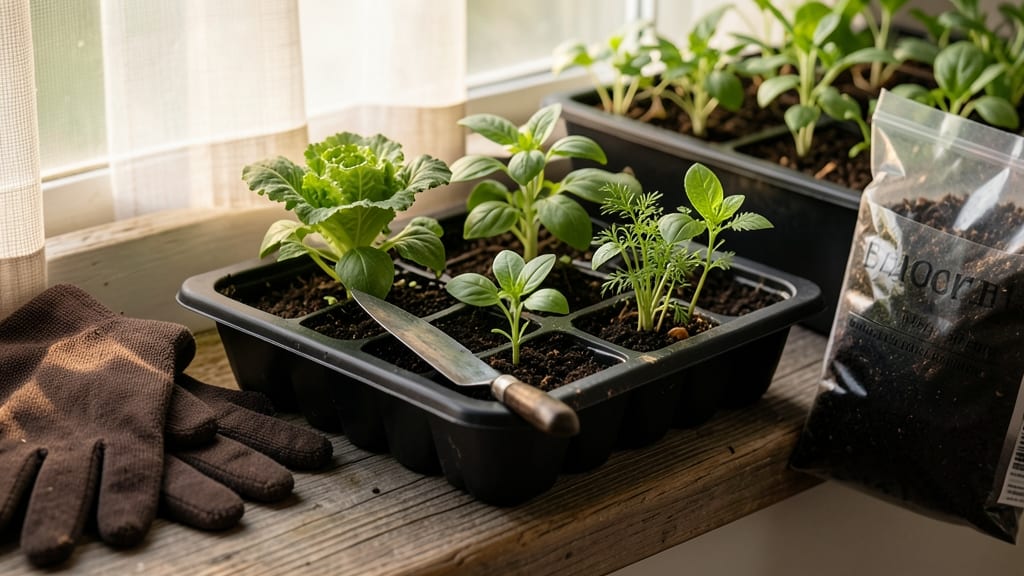
Planting a garden at the right time is the secret to a bountiful harvest—and missing that window can mean struggling with weak seedlings or bolting greens before they mature.
If you’ve ever watched your 🌱 garden wilt after a late frost or bolt into flower too soon, you know timing matters more than soil prep or seed quality.
The best time to plant depends on your USDA zone, but the general rule is simple: start cool-season crops like lettuce and peas 4-6 weeks before your last frost, while warm-season plants like tomatoes and peppers need soil that’s at least 60°F before they go in.
This guide breaks down the exact planting windows for Zone 6 and beyond, including how to adjust for early springs, late frosts, and even urban microclimates that can throw off your schedule. No more guessing—just a clear, zone-specific calendar to maximize your garden’s potential.
You’ll also learn how to stretch your growing season with row covers, when to start seeds indoors, and the 3 biggest planting mistakes that ruin crops before they even begin. Ready to turn your garden into a year-round success?


USDA hardiness zone planting calendar: when to start seeds and transplants
Timing is everything in gardening—plant too early, and a late frost can wipe out your seedlings. Plant too late, and warm-season crops like tomatoes won’t mature before winter. Your USDA Hardiness Zone determines the perfect window, but even within zones, microclimates create variations.
Let’s break it down by zone so you can start seeds and transplants at the ideal time for your location.
First, find your zone using the USDA Plant Hardiness Zone Map. Most gardeners fall between Zone 3 (northern climates) and Zone 11 (tropical). Each zone has a last frost date and first frost date, which are your planting anchors.
For example, Zone 5 has an average last frost around April 15, while Zone 9 might see frost as late as December 15—or not at all.
Cool-season crops like lettuce, spinach, and peas thrive in cooler temperatures and can often be planted 4-6 weeks before your last frost date.
Warm-season crops such as tomatoes, peppers, and cucumbers need to wait until 2 weeks after your last frost date, when soil temperatures consistently stay above 60°F (15°C). Below is a zone-by-zone guide to help you plan.
| Zone | Cool-Season Start (Indoors) | Cool-Season Transplant (Outdoors) | Warm-Season Start (Indoors) | Warm-Season Transplant (Outdoors) | Fall Planting Window |
|---|---|---|---|---|---|
| 3-4 | Feb-March | April-May | March-April | May-June | August-Sept |
| 5-6 | March-April | April-May | April-May | May-June | August-Sept |
| 7-8 | February-March | March-April | March-April | April-May | Sept-Oct |
| 9-10 | January-February | February-March | February-March | March-April | Oct-Nov |
| 11 | Year-round | Year-round | Year-round | Year-round | Year-round |
For Zone 3-4, where winters are harsh, start cool-season seeds indoors in February to give them a head start. Transplant outdoors after the last frost, usually in April or May. Warm-season crops like tomatoes can start indoors in March and go out in May-June.
In Zone 5-6, you have a bit more flexibility, but don’t rush—wait until soil warms to 60°F (15°C) for warm crops.
In Zone 7-8, you can plant cool-season crops as early as February and enjoy a longer growing season. Warm-season crops can start indoors in March and transplant in
How to adjust planting times for your local microclimate
Your USDA hardiness zone gives you a starting point, but your local microclimate can shift planting times by weeks—or even months. Urban heat islands, high-altitude gardens, and coastal winds all create unique growing conditions that demand flexibility.
Ignoring these factors can mean bolted lettuce or frost-bitten tomatoes, so let’s fine-tune your schedule for real-world success.
A soil thermometer is your secret weapon. Most seeds need soil temps between 40°F and 85°F to germinate, but cool-season crops like peas thrive at 40°F–65°F, while warm-season plants like cucumbers demand 70°F+.
Check temps 1 inch deep in the morning—this is when seeds are most sensitive to heat or cold.
- 1 Urban Heat Islands: Plant heat-loving crops (tomatoes, peppers) 2–3 weeks earlier than zone guidelines. Use shade cloth for lettuce in July.
- 2 High-Altitude Gardens: Extend seasons by 10–14 days—frost comes later in valleys but earlier on mountain slopes. Start cool-season seeds indoors 4–6 weeks before your zone’s last frost date.
- 3 Coastal Areas: Salt spray and windburn delay planting. Protect seedlings with windbreaks and choose drought-tolerant varieties (e.g., kale, Swiss chard). Plant 1–2 weeks later than inland zones.
- 4 Frost Pockets: Low-lying areas freeze faster. Plant cold-hardy crops (spinach, radishes) 3 weeks before your zone’s last frost. Use row covers for a 2–4°F temperature boost.
- 5 Soil Thermometer Rule: Wait until soil hits 60°F+ for warm-season plants. For cool-season crops, aim for 40°F–50°F. Test in the morning shade for accuracy.
Don’t rely solely on frost date averages. Check your local National Weather Service for 10-year frost trends—climate change is shifting these windows faster than most seed packets account for.
For example, if your zone’s last frost used to be April 15 but now averages April 1, adjust your spring planting accordingly.
Pro tip: Succession plant heat-sensitive crops like basil or zucchini every 2–3 weeks to stagger harvests. In frost-prone areas, use cold frames to start spinach or carrots 4 weeks before your zone’s last frost—this can add 30–45 days to your growing season.
Even in Zone 10’s mild winters, microclimates matter. A north-facing slope may need frost protection in December, while a south-facing wall can grow citrus trees year-round. Observe your garden’s sun exposure patterns for 2–3 weeks to spot these nuances.
When in doubt, start small. Test a few fast-growing crops (radishes, lettuce) a week before your zone’s recommended date. If they thrive, push the envelope—you’ll learn your microclimate’s true limits without risking a failed season. 🌱