
Pruning
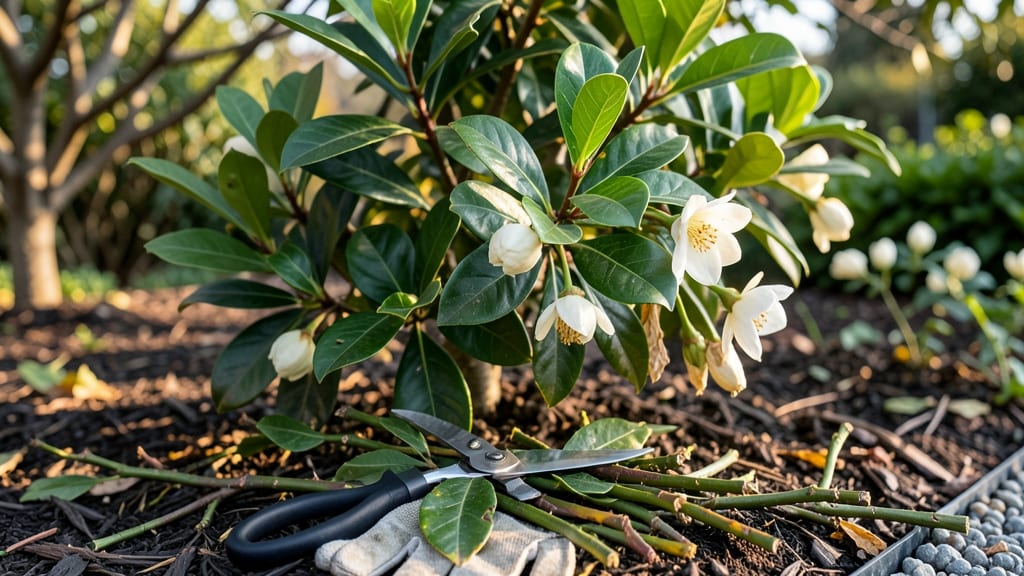
Trimming gardenias at the right time ensures those fragrant 🌸 blooms return year after year without sacrificing next season’s growth.
Struggling to keep your gardenias blooming beautifully year after year? Timing your pruning perfectly is the secret to vibrant late-spring flowers—without risking next season’s growth.
Most gardeners cut too early, which can stunt new buds, or too late, leaving the plant vulnerable to winter frost. The best time depends on your climate, but late winter or early spring—just before new growth appears—is the golden window for 6a zones like mine.
Below, I’ll walk you through the exact timing for your region, how to spot the signs of over-pruning, and the simple tools that make clean cuts. Your gardenias will thank you with more blooms and fewer surprises.
When to trim gardenias for maximum late-spring blooms
Timing your gardenia pruning is everything when you want those fragrant blooms to explode in late spring. Cut too early, and you risk sacrificing next year’s flowers. Wait too long, and your plant becomes overgrown or leggy.
The secret lies in understanding your climate zone and the plant’s natural growth cycle—because gardenias bloom on old wood, meaning last year’s growth holds next season’s buds.
Most gardeners swear by late winter to early spring as the ideal pruning window, but the exact timing depends on where you live. In warmer climates like USDA Zones 8-10, you can prune as early as February when new growth begins.
Meanwhile, gardeners in cooler zones (Zones 6-7) should wait until after the last frost—typically late March or April—to avoid damaging tender new shoots.
The science behind timing ties directly to how gardenias store energy. When you prune just as the plant begins its spring growth spurt, you’re encouraging it to redirect energy into new branches—each of which can produce more flower buds.
However, if you cut too early (like in deep winter), the plant is still dormant and won’t respond well. Conversely, pruning too late (after May) risks removing next year’s blooms since buds form on old wood.
Here’s a pro tip: Look for swollen buds along the branches—this is your cue that the plant is waking up. In Zone 7, I prune my gardenias in early April, just as the buds start to plump up but before they burst into color.
This timing ensures I don’t accidentally snip off the current year’s flowers while still promoting healthy new growth for late-spring blooms.
Regional adjustments matter too. In southern California, gardeners often prune in February because the mild winters mean the plant is already gearing up for growth. Meanwhile, in New England**, waiting until mid-April is safer to avoid late frosts.
Always check your local frost dates—they’re your best guide for knowing when the coast is clear to prune.
One common mistake is over-pruning to encourage bushier growth. While gardenias tolerate light pruning, cutting back more than one-third of the plant at once can stress it.
Instead, aim for selective trimming: Remove only dead, diseased, or crossing branches, and shape the plant to open up its center for better airflow and sunlight penetration—both critical for healthy blooms.
After pruning, give your gardenias a light feeding with an acidic fertilizer (like 16-4-8) to replenish nutrients lost during trimming. Pair this with consistent watering—deep soaks every 3-5 days—to help the plant recover.
Within 4-6 weeks, you’ll see fresh green growth, setting the stage for those show-stopping late-spring blooms you’re dreaming of.
Remember, gardenia blooms are a reward for patience. By mastering the pruning window and adapting to your climate, you’ll turn your gardenia into a year-round star with minimal effort. And trust me, the sweet fragrance of those white flowers in May is worth every minute of planning!
Step-by-Step pruning guide: how to trim gardenias without damaging the plant
Pruning your gardenias correctly ensures vibrant blooms while preventing stress. The key lies in clean cuts and targeted shaping—never more than 1/3 of the plant at once. Start by removing dead or diseased branches first, as these can spread problems to healthy growth.
Use sterilized pruners to avoid bacterial infections, and always cut just above a leaf node or outward-facing bud.
Gardenias respond best to light shaping prunes rather than heavy cuts. Focus on opening the plant’s center for airflow and sunlight, which reduces humidity-related diseases like powdery mildew. If your gardenia has overgrown branches, thin them out gradually over 2-3 years to avoid shocking the plant.
Remember: Less is more—gardenias bloom on new wood, so aggressive pruning can delay next season’s flowers.
- ✂️ Step 1: Gather Tools
Use sharp, sterilized pruners and a disinfectant spray (1 part bleach to 9 parts water). - 🌿 Step 2: Inspect the Plant
Remove dead/diseased branches first—look for brown, brittle wood or black spots. - 📏 Step 3: Shape the Canopy
Trim overlapping branches to 1/4 inch above a bud, cutting at a 45-degree angle. - 🌱 Step 4: Thin Out Crowded Areas
Remove 1-2 older branches per year to encourage new growth. - 💧 Step 5: Post-Prune Care
Water deeply and apply mulch to retain moisture and protect roots.
💡 Pro Tip: Prune on a dry, overcast day to reduce stress on the plant.
When making cuts, always aim for a clean, slanted cut just above a leaf node or outward-facing bud. This encourages healthier regrowth and maintains the plant’s natural shape. Avoid topping (cutting the main stem flat), as this can lead to weak, leggy growth and fewer blooms.
For potted gardenias, prune slightly more aggressively to control size, but never remove more than 20% of the foliage in one session.
After pruning, monitor your gardenia for new growth within 4-6 weeks. If you notice yellowing leaves or stunted growth, it may indicate over-pruning or stress. In this case, reduce watering slightly and apply a balanced fertilizer (10-10-10) to support recovery.
Gardenias are sensitive to stress, so patience and gentle care are key to keeping them thriving.
For bloom-heavy varieties, like Gardenia jasminoides, focus pruning efforts on late winter or early spring (just as new growth begins). This timing ensures you’re not removing next year’s flower buds, which form on current-season growth.
If you live in a warmer climate (USDA Zone 8+), you can prune lightly in early fall to shape the plant before winter dormancy.
Finally, sterilize your tools before and after pruning to prevent bacterial or fungal infections. Wipe blades with rubbing alcohol or a 10% bleach solution, then rinse and dry. This simple step can prevent diseases like root rot or powdery mildew, which are common in gardenias.
With the right technique, your gardenia will reward you with fragrant, abundant blooms for years to come! 🌸