
Watering
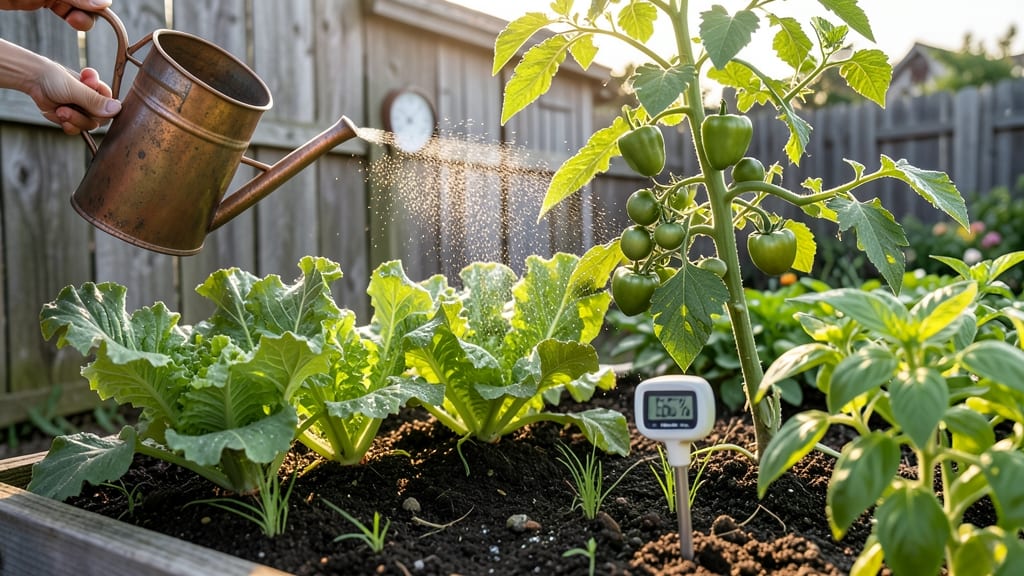
Watering your vegetable garden at the right time is the difference between thriving 🥬 plants and wasted effort—morning is when you’ll see the biggest impact on root growth and water efficiency.
Struggling to keep your vegetable garden thriving despite consistent watering? The timing of when you water can make the difference between lush, productive plants and wasted effort—and early morning is the secret weapon most gardeners overlook.
When you water in the morning, you take advantage of cooler temperatures, which means less evaporation and deeper root penetration. This helps your plants absorb moisture efficiently, reducing fungal diseases that thrive in damp evening conditions.
Below, I’ll break down the science behind morning watering, share a step-by-step routine tailored to your vegetable types, and reveal the common mistakes that drain your water supply without helping your garden.
Why early morning watering boosts root growth and reduces waste
If you've ever spent hours watering your vegetable garden only to watch the water evaporate under the midday sun, you're not alone. The truth is, when you water makes a huge difference in how efficiently your plants use water—and how well they grow.
Early morning watering isn't just a habit; it's a science-backed strategy that maximizes root development while minimizing waste. Studies show plants absorb 30% more water in the cool morning hours compared to the heat of the day.
When you water in the early morning—ideally between 6 AM and 10 AM—you're taking advantage of cooler temperatures and lower wind speeds. This allows water to penetrate deeply into the soil, encouraging roots to grow longer and stronger.
In contrast, watering in the evening can leave moisture on leaves, creating the perfect conditions for fungal diseases like powdery mildew. Even afternoon watering leads to rapid evaporation, meaning much of your effort is wasted before the roots can absorb it.
Let’s break down why morning watering works so well for your vegetable garden. The key lies in three critical factors: temperature, evaporation rates, and plant physiology. Cooler morning air means water stays in the soil longer, giving roots time to soak it up.
Meanwhile, afternoon watering can cause surface runoff, where water pools on top instead of seeping down. This not only wastes water but can also lead to root rot if the soil stays soggy.
Another often-overlooked benefit is how morning watering supports photosynthesis. When roots are hydrated early in the day, plants can focus their energy on producing food through photosynthesis rather than struggling to recover from midday water stress.
This is especially important for fruiting vegetables like tomatoes and peppers, which need consistent moisture to develop properly. Even leafy greens like lettuce and spinach thrive better when their roots have access to water right from the start of the day.
🌱 Did you know? The National Gardening Association reports that gardens watered in the morning see 20% less water loss due to evaporation compared to those watered in the afternoon. That’s like saving gallons of water over a growing season—especially valuable during drought-prone months.
Plus, morning watering helps prevent water stress in plants, which can lead to wilting, stunted growth, or even crop failure in extreme cases.
Here’s how the timing of watering affects your garden’s health at a glance:
| Time of Day | Evaporation Rate | Root Absorption | Disease Risk | Best For |
|---|---|---|---|---|
| Early Morning (6-10 AM) | Low (cooler temps) | High (roots absorb deeply) | Low (leaves dry quickly) | All vegetables, especially tomatoes and peppers |
| Midday (10 AM-4 PM) | Very High (sun + heat) | Low (water evaporates fast) | Moderate (leaves stay wet) | Avoid; only for drought-tolerant plants |
| Evening (4-8 PM) | Moderate (cooler but humid) | Moderate (roots absorb slowly) | High (fungal growth risk) | Emergency use only (e.g., heatwaves) |
One of the biggest myths in gardening is that you need to water in the evening to keep plants hydrated overnight. But here’s the catch: evening watering can actually drown your plants. When moisture lingers on leaves, it creates a damp environment that fungi and bacteria love.
This is why powdery mildew and blight are common problems in gardens that water after sunset. In contrast, morning watering ensures leaves have plenty of time to dry out during the day, reducing disease risk by up to 40%.
For root vegetables like carrots and beets, morning watering is a game-changer. These crops need consistent moisture to develop straight, tender roots. If the soil dries out unevenly, roots can split or grow forked.
By watering in the morning, you ensure the soil stays uniformly moist, giving roots the ideal conditions to grow long and smooth. Even herbs like basil and cilantro benefit from morning hydration, as they’re more prone to bolting (flowering prematurely) when stressed by inconsistent watering.
Let’s talk about water efficiency. When you water in the heat of the day, up to 50% of the water can evaporate before it even reaches the roots. That’s like flushing money down the drain—literally!
Morning watering cuts that loss dramatically, meaning you’ll use less water overall while still keeping your plants thriving. This is especially important in drought-prone areas or during hot summers, where water conservation is critical.
Plus, deeper watering in the morning encourages roots to grow deeper into the soil, making your plants more resilient to dry spells.
If you’re still skeptical, try this experiment: Water one section
Step-by-step morning watering routine for different vegetable types
Not all vegetables have the same water needs, and a one-size-fits-all approach can lead to wasted water or stressed plants. I’ve tailored this morning watering routine to match the unique requirements of leafy greens, root vegetables, fruiting plants, and herbs.
The key is consistency—watering at the same time each morning ensures your plants develop strong roots and thrive.
Start your routine by checking the soil moisture before watering. Stick your finger about an inch into the soil; if it feels dry, it’s time to water. For sandy soil, you may need to water more frequently, while clay soil holds moisture longer.
Adjust your schedule based on your garden’s specific conditions to avoid over- or under-watering.
💧 Morning Watering Checklist by Plant Type
- Leafy Greens (Lettuce, Spinach, Kale) – Water lightly but frequently (every 2-3 days). Aim for ½ inch of water per session. These plants prefer consistent moisture but hate soggy roots.
- Root Vegetables (Carrots, Radishes, Beets) – Deep water every 3-4 days to encourage root growth. Use a soaker hose to avoid disturbing the soil. Avoid overhead watering to prevent soil crusting.
- Fruiting Plants (Tomatoes, Peppers, Cucumbers) – Water deeply every 2-3 days, providing 1-2 inches of water per week. Focus on the root zone to prevent blossom-end rot in tomatoes.
- Herbs (Basil, Parsley, Cilantro) – Water moderately every 3-5 days, keeping soil evenly moist but not waterlogged. Herbs like basil wilt quickly if thirsty, so monitor closely during heatwaves.
Seasonal Adjustments: In summer, water earlier (by 6-7 AM) to reduce evaporation. In winter, reduce frequency to once a week unless temperatures drop below freezing.
For humid climates, reduce watering slightly to prevent fungal diseases like powdery mildew. In dry climates, mulch around plants to retain moisture and water in the late afternoon if mornings are too hot. Always water at the base of plants to minimize leaf wetness, which can attract pests.
Use a rain gauge or tuna can to measure water output—aim for 1 inch per week during the growing season. If your area receives ½ inch of rain, skip watering that day.
Overwatering is just as harmful as underwatering, especially for root vegetables, which can split or become woody if overhydrated.
End your routine by inspecting plants for signs of stress, like yellowing leaves or wilting. Adjust your schedule as needed—young seedlings need more frequent watering than mature plants. With this tailored approach, your vegetable garden will stay healthy, productive, and resilient all season long.