
Planting
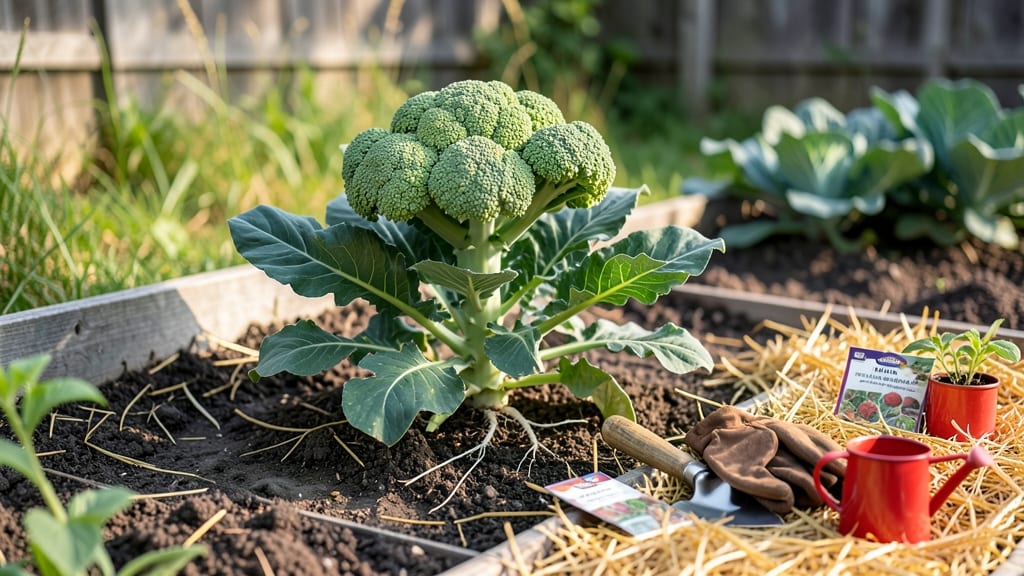
Planting a fall garden in Houston, Texas, starts between mid-August and early October to beat the first frost and maximize your harvest before winter sets in.
Houston’s humid summers and unpredictable fall weather make timing your garden planting the difference between a bountiful harvest and wasted seeds—here’s exactly when to start for zero-frost risk crops.
With USDA Zone 9a conditions, you’ve got a longer window than most, but rushing can leave your 🥬 veggies struggling in cooler temps. The key is knowing which crops thrive in Houston’s fall heat and how to prep your soil for success.
Below, I break down the ideal planting schedule by microclimate, the best crops for your fall garden, and how to avoid common mistakes that Houston gardeners face every year.
Houston’s fall planting deadlines by microclimate zone (avoiding early frost pitfalls)
Houston’s fall planting window is short but sweet—just 6-8 weeks before the average first frost (December 1). However, your exact timing depends on whether you’re in a coastal heat island, urban heat zone, or inland cooler pocket.
Miss these deadlines, and you risk stunted growth or bolted greens before harvest. Let’s break down the last call dates for your microclimate to maximize your zero-frost risk crops like broccoli, kale, and carrots.
First, soil temperatures in Houston can stay warm well into October, giving you a longer window than you might expect. But don’t be fooled—urban heat islands (like downtown or east Houston) can delay frost by a week or more, while coastal areas (Galveston, Clear Lake) may see earlier chills.
Inland regions (Katy, Conroe) often experience the first frost 1-2 weeks earlier than the city center. Understanding these nuances ensures your fall garden thrives without premature stress.
🌱 Key Rule: Plant cool-season crops 6-8 weeks before your zone’s first frost date. For Houston’s USDA Zone 9a, that means starting seeds mid-August to early September for direct sowing, or late August for transplants. If you’re in a cooler microclimate, like the northern suburbs, shift your timeline 1-2 weeks earlier. Coastal gardeners can push planting 1-2 weeks later thanks to moderating ocean breezes.
⚠️ Critical Deadlines: Here’s your last call for planting key crops by microclimate:
For urban heat islands, you’ve got a little more wiggle room—broccoli and kale can handle light frosts, so you can push transplants to mid-October if you’re near downtown. But carrots and beets need to be in the ground by early October to mature before temperatures drop.
In coastal areas, collard greens and mustard greens thrive with the ocean’s moderating effect, so you can plant radishes and turnips as late as late October.
If you’re in an inland microclimate, like Katy or Conroe, Brussels sprouts and cabbage need to be planted by late September to avoid stunted growth. These crops take 80-100 days to mature, and cooler nights in October can slow them down.
For fast-growing crops like radishes or lettuce, you can squeeze in a late October planting—just cover them with row fabric if temperatures dip below 40°F.
Pro tip: Use frost blankets or low tunnels to extend your season by 2-3 weeks, especially in inland areas. This can push your last call for transplants into early November for hardy greens like spinach or arugula.
Just remember, soil temperatures below 50°F will slow germination, so start seeds indoors or use heat mats if you’re planting late.
Don’t forget about soil prep—Houston’s clay-heavy soil can become compacted after summer rains.
Amend your beds with compost or aged manure in July or early August to give nutrients time to integrate. Test your soil pH (aim for 6.0-7.0 for most fall crops) and adjust with lime or sulfur if needed. Well-prepped soil means faster growth and bolting-resistant greens.
Finally, watering strategies shift in fall. Houston’s humidity drops in October, so
5 Zero-frost risk crops you can plant now (and how to extend their season)
Houston’s fall garden thrives when you choose cold-tolerant crops that handle unpredictable temperatures without frost damage. These five zero-frost-risk vegetables mature quickly and produce bountiful harvests before winter sets in. The key? Planting at the right time and using season-extending techniques to keep your garden productive.
Start with leafy greens like kale and broccoli, which tolerate light frosts (Houston’s rare December chill) while delivering flavorful harvests. Pair them with root vegetables like carrots and beets, which store well in cool soil.
For extra protection, use row covers or cold frames to shield tender crops from unexpected temperature drops.
🌱 Numbered Highlights: Houston’s Fall Planting Timeline
- 📅 Mid-August: Plant broccoli and kale seeds directly in soil. Use shade cloth to protect seedlings from 90°F+ heat.
- 🌱 Late August: Transplant carrots and beets 1/4 inch deep. Thin seedlings to 2 inches apart for optimal growth.
- 🌡️ Early September: Introduce spinach and radishes for fast harvests. Mulch with straw to retain moisture and regulate soil temperature.
- 🛡️ Mid-September: Add row covers or cold frames to extend the season for lettuce and collard greens.
- 🍂 October: Harvest broccoli and kale before first frost (rare but possible). Save seeds from radishes for next year’s garden.
For soil prep, Houston’s clay-heavy soil needs amendments like compost or aged manure to improve drainage. Test your soil’s pH level—most fall crops prefer 6.0 to 7.0.
If your soil is too acidic, add lime 2-3 weeks before planting. Companion planting also boosts yields: Pair kale with onions to deter pests, and plant radishes near carrots to loosen soil naturally.
Watering is critical in Houston’s humid fall climate. Deep watering every 3-5 days encourages strong root growth, but avoid overwatering, which can lead to fungal diseases. Use drip irrigation to deliver moisture directly to roots while keeping foliage dry.
In late October, reduce watering slightly as temperatures drop, but keep soil consistently moist—not soggy.
To extend your harvest, try succession planting every 2 weeks for fast-growing crops like radishes and lettuce. For broccoli and kale, harvest outer leaves first to encourage regrowth until hard frosts arrive.
Store harvested carrots and beets in sandy soil or a cool basement to enjoy fresh produce through winter holidays.
Don’t let Houston’s unpredictable weather ruin your fall garden. With these five zero-frost-risk crops and season-extending tips, you’ll enjoy a bountiful harvest well into December—even if the thermometer dips. Start planting now, and your garden will thank you with crisp, flavorful veggies all season long! 🥬