
Container Gardens
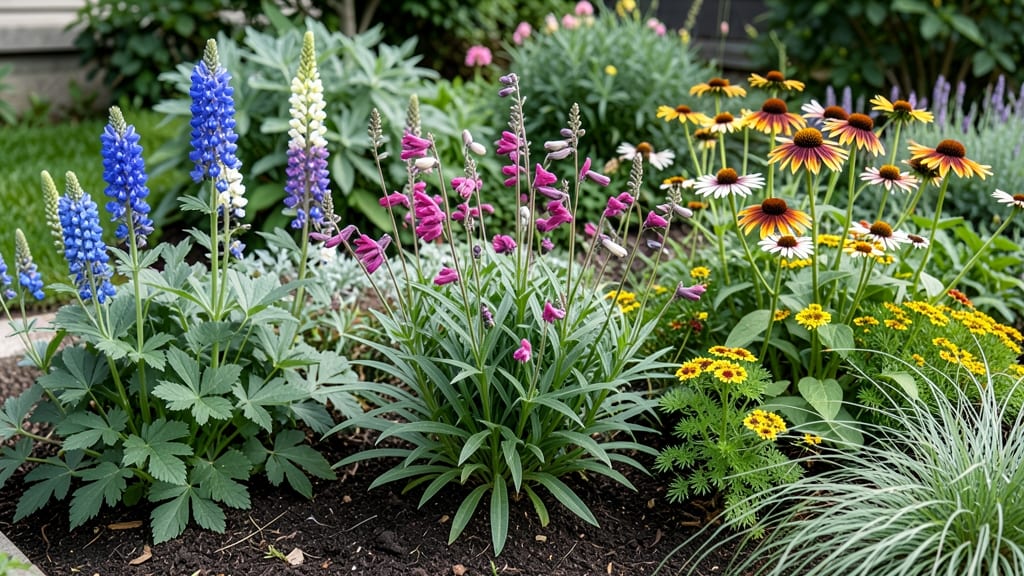
Botanical Gardens Ogden showcases over 30 acres of meticulously curated plant displays, blending rare botanicals with themed gardens that transform with each season—from vibrant peonies in spring to striking chrysanthemums in fall. 🌸 The garden’s hidden gems include the serene Japanese Garden and Utah-native plant trails that offer quiet escapes from the main paths.
Ogden’s high desert climate presents unique challenges for plant cultivation, but the garden’s design turns these into strengths. 🌿 The elevation and alkaline soil create microclimates perfect for drought-resistant species like Utah’s native sagebrush and alpine wildflowers, while irrigation systems ensure even rare botanicals thrive.
This thoughtful approach makes it a standout destination for plant lovers who appreciate both beauty and botanical ingenuity.
The real magic happens when you step off the beaten path. 🌿 The Rock Garden’s alpine species, tucked between boulders, offer a cool retreat in summer, while the Sensory Garden’s fragrant herbs provide a multi-sensory experience.
Pro tip: Visit during the Spring Blooms Festival for exclusive access to volunteer-led tours that reveal the garden’s best-kept secrets—like the rare Utah holly collection few visitors know exists.
💡 In This Article
- How Ogden’s Botanical Gardens Maximize Plant Diversity in a High-Elevation Climate
- Best Hidden Trails and Seasonal Highlights in Ogden’s Botanical Gardens
How Ogden’s botanical gardens maximize plant diversity in a high-elevation climate
Ogden’s elevation of 4,250 feet creates a unique growing environment where temperature swings of 30°F between day and night help harden plants against extreme conditions.
The gardens leverage this natural phenomenon by selecting species adapted to Utah’s semi-arid climate, like Utah serviceberry and mountain mahogany, which thrive in alkaline soils with minimal irrigation. 🌿 The alkaline soil—pH 7.5-8.5—actually benefits certain plants like yuccas and agaves, which prefer these conditions.
Microclimates are strategically used to extend growing seasons. The Rock Garden, for example, sits 20 feet higher than the main grounds, creating cooler temperatures ideal for alpine plants like Andes lily and Edelweiss.
Meanwhile, the Desert Garden uses reflective mulch to simulate the heat of lower elevations, allowing cacti and succulents to flourish. This zoning approach mimics natural Utah ecosystems, where plants cluster based on moisture and temperature needs.
Water management is another key innovation. Drip irrigation systems deliver 30-50% less water than traditional methods by targeting roots directly, while swales (shallow trenches) capture rainwater to reduce runoff.
The gardens also incorporate xeriscaping principles, grouping plants with similar water needs together—like the Native Plant Trail, which requires only 25% of the water needed for traditional lawns. 💧 These techniques ensure rare botanicals, such as the Utah holly, remain vibrant even during Ogden’s dry summers.
The garden’s plant selection process involves three critical factors:
- Cold hardiness: Plants must survive -10°F winters, like the blue flax and Utah juniper.
- Drought tolerance: Species like desert marigold thrive with less than 10 inches of annual rainfall.
- Soil adaptability: Native grasses and wildflowers grow in Utah’s clay-heavy, nutrient-poor soils.
What makes Ogden’s gardens stand out is their ability to blend scientific precision with aesthetic harmony. For instance, the Japanese Garden uses shohin trees (dwarf varieties) that stay compact even in Ogden’s windy conditions, while the Perennial Border features 150+ species that bloom sequentially from March to October.
This careful curation ensures visitors experience year-round color without compromising ecological balance. 🌸
Behind the scenes, the gardens employ soil amendments like composted manure and mycorrhizal fungi to improve nutrient uptake in alkaline soils. These amendments help rare plants like the Utah milkvetch (a threatened species) establish strong root systems.
The result? A living laboratory where botany meets horticulture, proving that even in challenging climates, diversity can flourish with the right strategies.