
Tools
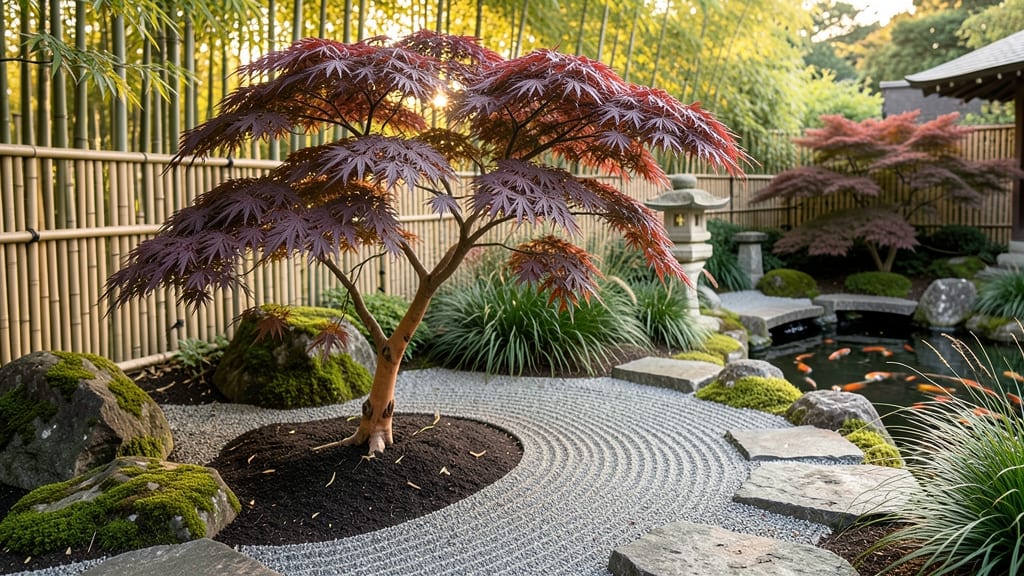
The James Irvine Japanese Garden features meticulously crafted waterfalls, tranquil koi ponds, and native Japanese plantings like azaleas, maples, and bamboo, creating a harmonious blend of natural beauty and traditional design.
The James Irvine Japanese Garden in Orange County stands out for its thoughtful design that mirrors Japanese aesthetics while adapting to Southern California's climate. 🌿 Unlike many gardens that focus solely on visual appeal, Irvine's layout incorporates Zen principles—like the use of gravel paths for mindfulness walks and strategically placed stones to symbolize natural imperfection.
The garden's seasonal transformations, from cherry blossoms in spring to fiery maple leaves in autumn, make each visit feel distinct. What locals love most are the hidden details: the quiet tea house tucked near the bamboo grove or the lesser-known bridge offering unobstructed views of the koi pond.
For first-time visitors, timing matters—weekday mornings avoid crowds, and late afternoon light enhances the garden's golden hues. I always recommend exploring the upper terrace for panoramic views and the lower stone garden for serene reflection spots.
Pro tip: Download the garden's map beforehand to navigate the winding paths efficiently. The entrance fee supports conservation efforts, so consider an annual membership if you plan to return often.
💡 In This Article
- Design Principles Behind Irvine’s Japanese Garden Layout
- Best Times and Local Tips to Visit Irvine’s Japanese Garden
Design principles behind Irvine’s Japanese garden layout
The garden’s layout follows wabi-sabi principles—embracing imperfection and transience as core beauties. Every element, from the 12-foot-tall waterfall cascading into a koi pond to the carefully placed granite boulders, serves a purpose beyond decoration.
The waterfall, for instance, isn’t just decorative; its sound masks urban noise while creating a meditative rhythm. Studies show that water features reduce stress by 20-30% through auditory stimulation, which explains why visitors often linger near the pond’s edge. 💫
Seasonal plant rotations are another genius detail. The garden uses over 1,000 plant species, including 20 varieties of azaleas that bloom in waves from February to May, ensuring color year-round.
Unlike static gardens, Irvine’s design shifts with nature—maples turn fiery red in autumn, while winter brings stark bamboo silhouettes against blue skies.
The 3-acre bamboo grove alone contains 100+ culms, creating a living privacy screen that moves rhythmically with the wind, a tactile experience that’s impossible to replicate with static elements.
Zen philosophy shapes even the smallest details. The gravel paths aren’t just walkways—they’re intentional raked patterns (like karesansui dry gardens) meant to focus the mind. Locals swear by walking these paths barefoot to feel the textured gravel underfoot, a sensory grounding technique used in Japanese tea ceremonies.
The garden’s topography also plays a role: the elevated stone garden offers unobstructed views of the valley below, while the sunken tea house creates a hidden retreat—both principles borrowed from karesansui design to balance energy flow.
What’s often overlooked is how the garden’s microclimates work together. The waterfall’s mist cools the surrounding air by 5-7°F, creating a cooler zone perfect for summer visits.
Meanwhile, the southern exposure of the maple grove ensures vibrant autumn foliage, while the northern-facing stone walls protect delicate plants from harsh afternoon sun. This climate adaptation is why the garden thrives in Southern California’s 90-100°F summers—something many imported Japanese gardens struggle with. 🌿
Even the koi pond’s design follows strict rules: its asymmetrical shape mimics natural water bodies, while the three bridges symbolize the three stages of life (birth, life, death). The pond’s 150 koi aren’t just decorative—they’re carefully selected for their color patterns, which change with temperature and age.
During winter, their scales darken, while summer brings vibrant hues. This dynamic element keeps the garden feeling alive year-round.
The garden’s hidden tea house, accessible only via a winding path through the bamboo, is where Zen philosophy meets practicality. Its thatched roof and sliding paper screens create an immersive experience—soundproof from the outside world while letting in soft natural light.
Locals often joke that this is where the garden’s "magic" happens, as the tea ceremony performed here follows ichigo ichie ("one time, one meeting"), emphasizing the present moment. 💛