
Container Gardens
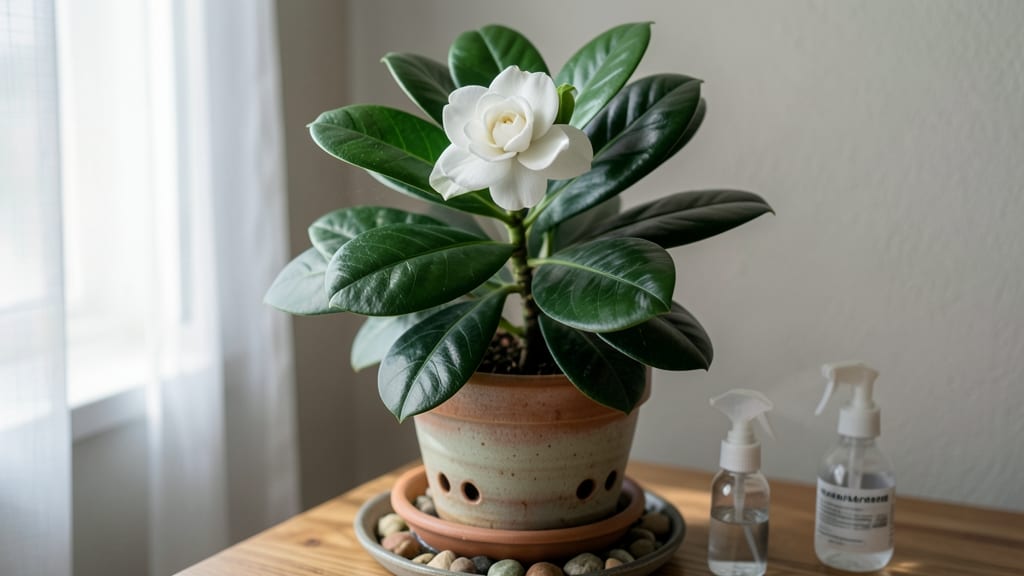
Gardenias can be grown indoors with proper care, requiring bright indirect light, high humidity (60%+), and well-draining pots in sizes 12-18 inches for mature plants. Prune regularly to encourage bushier growth and maintain blooming cycles.
Indoor gardenia care hinges on mimicking their tropical habitat. 🌿 These fragrant plants crave bright, filtered sunlight—think east-facing windows or grow lights—since direct sun scorches their delicate leaves.
Maintaining consistent humidity (60% or higher) prevents brown leaf tips, while a well-draining potting mix rich in organic matter keeps roots healthy. I've found that grouping plants together or using a pebble tray with water creates that essential moisture without overwatering.
Regular pruning isn't just about aesthetics—it stimulates new growth and prolongs flowering. Trim leggy stems after blooms fade, and never cut more than one-third of the plant at once. For best results, fertilize monthly during spring and summer with an acid-loving plant formula.
The key is patience: indoor gardenias may take 6-12 months to establish and reward you with their signature intoxicating scent.
💡 In This Article
- Indoor Gardening Requirements for Thriving Gardenias
- Step-by-Step Guide to Repotting and Pruning Indoor Gardenias
Indoor gardening requirements for thriving gardenias
The light spectrum for indoor gardenias mimics their native tropical shade environments. These plants thrive under 4,000-6,000 lux of bright, indirect light—similar to what you'd find under a canopy of trees.
South or west-facing windows provide ideal natural light, but east-facing windows work too if you supplement with a 12-hour grow light (LED or fluorescent) during winter months when daylight is scarce.
Direct sunlight causes leaf burn, visible as crispy brown edges, while insufficient light leads to sparse, weak growth and fewer blooms. 🌿
Humidity control is equally critical, as gardenias originate from regions with 70-80% relative humidity. In dry indoor environments (common with central heating), leaf tips brown and curl—a classic sign of dehydration.
To combat this, place your plant on a pebble tray filled with water and gravel, or use a humidifier nearby. Grouping plants together also creates a microclimate that retains moisture.
The ideal temperature range is 65-75°F during the day and 60-65°F at night, with consistent warmth preventing stress that halts flowering.
Soil pH plays a hidden but vital role in nutrient uptake. Gardenias prefer acidic soil (pH 5.0-6.5), which mimics their natural boggy habitats. A well-draining potting mix should combine 50% peat moss or coconut coir, 30% perlite or orchid bark, and 20% compost.
This blend prevents root rot while maintaining the acidity needed for magnesium and iron absorption—deficiencies often show as yellowing between leaf veins. 💧
Container size directly impacts root development. Mature gardenias need 12-18 inch pots to accommodate their sprawling root systems, but young plants thrive in 6-8 inch containers. Terracotta pots help regulate moisture, but plastic retains humidity better for tropical plants.
Always include drainage holes to prevent waterlogging, which triggers fungal diseases like root rot. Repotting every 2-3 years refreshes the soil and gives roots room to expand, supporting vigorous blooming cycles.
What most beginners overlook is the connection between these factors. For example, low humidity stresses the plant, making it more susceptible to pests like spider mites. Similarly, incorrect pH locks out essential nutrients, even if you're fertilizing regularly.
The solution? Monitor your gardenia's leaves—they're a living barometer. Dark green, glossy leaves signal optimal conditions, while pale or spotted foliage cries out for adjustments. 🌱
Consider this seasonal adjustment tip: During winter, when indoor air is driest, supplement with a room humidifier or place your gardenia on a tray of moistened sphagnum moss. This mimics the year-round humidity of their native climate and prevents the 30% drop in relative humidity that indoor heating typically causes.
Small changes like these make all the difference in coaxing your gardenia to bloom reliably indoors.