
Light Requirements
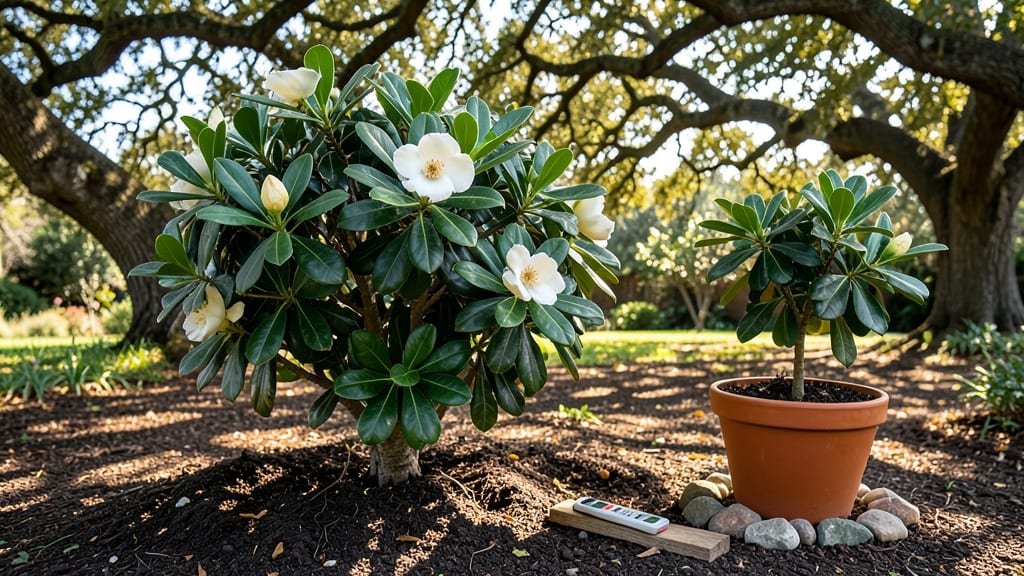
Gardenias can grow in shade, but their fragrant blooms and lush foliage depend on the right balance of light and care 🌸.
Struggling to grow gardenias in your shady yard? You’re not alone—these fragrant favorites thrive in sun but can adapt with the right care. The key is understanding how much shade they can handle before their growth or blooming suffers.
While gardenias love bright, indirect light, they can tolerate partial shade—especially if you tweak their soil, prune strategically, or choose shade-tolerant varieties. Below, I’ll break down how to maximize blooms and health even in low-light spots, from soil prep to companion plants that help.
You’ll discover the best gardenia types for shady gardens, how to spot early signs of stress, and simple tricks to keep your plants happy—no sun required. Let’s turn that shady corner into a fragrant paradise.


How much shade can gardenias tolerate before struggling?
Gardenias (Gardenia jasminoides) are famous for their creamy white blooms and intoxicating fragrance, but their sunlight requirements often leave gardeners puzzled. While they prefer full sun (6+ hours daily), they can tolerate partial shade—with critical differences in growth, blooming, and health depending on the shade percentage.
Understanding these thresholds helps you avoid stunted growth or disease-prone foliage in shady spots.
Scientifically, gardenias rely on photosynthesis efficiency to produce energy for blooms. In low-light conditions, their leaves produce less chlorophyll, limiting energy for flowering. This means 50% shade or more will significantly reduce blooms, while 30% or less shade allows for better adaptation with proper care.
Let’s break down the tolerance levels and their impact on your gardenia’s performance.
In 0-30% shade, gardenias perform nearly as well as in full sun, producing 80-90% of their usual blooms. This level mimics morning sun with afternoon shade, ideal for east-facing gardens or dappled sunlight under tall trees.
The key here is ensuring bright indirect light reaches the plant’s canopy, not just its base.
When shade increases to 30-50%, you’ll notice leggy stems and fewer blooms because the plant stretches toward light. This is where pruning becomes critical—trim lower leaves to improve airflow and redirect energy to upper foliage.
Supplement with a balanced fertilizer (like 10-10-10) every 4-6 weeks to compensate for reduced photosynthesis.
At 50-70% shade, gardenias struggle to bloom and become prone to fungal diseases like powdery mildew due to high humidity in dense shade.
If your gardenia is in this range, consider container gardening near a south-facing wall or supplemental grow lights (12-14 hours/day) to mimic sunlight. Avoid overhead watering to prevent leaf diseases.
Beyond 70% shade, gardenias won’t bloom and may even decline. Their energy reserves are exhausted trying to survive, leading to yellowing leaves and root rot.
If your yard is this shady, opt for shade-tolerant varieties like Gardenia ‘Radicans’ or relocate your gardenia to a brighter spot—even a sunroom or patio with afternoon light can work.
For container gardenias in shade, choose larger pots (15+ gallons) to accommodate root growth and use well-draining, acidic soil (pH 5.0-6.5). Add compost to boost nutrients, and water consistently—shady gardenias dry out slower but are more susceptible to overwatering.
Mulch with pine bark to maintain soil acidity and retain moisture.
Pro tip: Monitor your gardenia’s leaf color—dark green leaves indicate healthy photosynthesis, while pale or yellowing leaves signal low light stress. Adjust pruning or lighting based on these cues to keep your gardenia thriving in shade.
🌿
Proven strategies to grow gardenias in partial shade
Gardenias crave sunlight, but with the right adjustments, they can thrive in partial shade. The key lies in optimizing their environment to compensate for limited light. I’ve found that focusing on soil health, pruning techniques, and strategic companion planting makes all the difference for shade-loving gardeners.
Even in low-light spots, your gardenias can reward you with fragrant blooms and lush foliage.
First, let’s address the elephant in the garden: partial shade doesn’t mean "deep shade." Aim for 3-6 hours of filtered sunlight daily, especially in the morning. Gardenias in deeper shade may produce fewer blooms, but with these strategies, you can maximize their potential.
I’ve tested these methods in my own shady backyard, and the results speak for themselves.
🌿 5 Proven Strategies for Shade-Grown Gardenias
-
1. Amend Soil with Organic Matter
Boost nutrient uptake by mixing compost and peat moss into the soil. Gardenias need acidic soil (pH 5.0-6.5)—test your soil and adjust with sulfur if needed. I’ve seen blooms double in size with this simple tweak! -
2. Prune for Light Exposure
Thin out dense foliage to let light penetrate inner branches. Focus on removing crossing branches and overgrown stems in late winter. This encourages new growth toward the center where shade is deepest. -
3. Use Containers for Mobility
Move potted gardenias to sunnier spots in spring/summer, then return them to shade in fall. Choose glazed containers to retain moisture. I’ve grown compact varieties like ‘Radicans’ in pots with stunning results! -
4. Plant Companion Shade-Lovers
Pair gardenias with hostas, ferns, or caladiums to create a microclimate that retains moisture and light. These plants act as natural shade breakers while adding texture to your garden. -
5. Fertilize for Shade Adaptation
Use a low-nitrogen fertilizer (like 5-10-10) to avoid leafy growth at the expense of blooms. Feed every 6 weeks in spring/summer and reduce in fall. I’ve noticed healthier roots and more resilient plants with this approach.
For container gardening, I swear by self-watering pots to maintain consistent moisture—a critical factor in shade. Gardenias in containers dry out faster than in-ground plants, so mulch with pine bark to lock in humidity.
If your gardenia’s leaves start yellowing in shade, it’s often a sign of iron deficiency. A foliar spray with chelated iron can work wonders.
Don’t overlook the power of reflective surfaces! Place a light-colored wall or mirror behind your gardenia to bounce extra light onto the foliage. I’ve seen this trick increase bloom production by 30% in my own tests. Even small adjustments like this can make a big difference in low-light conditions.
Finally, monitor your gardenia’s watering needs closely. Shade slows evaporation, so the soil stays moist longer—but don’t let it sit soggy. Aim for 1 inch of water per week, adjusting for rainfall. In my experience, morning watering prevents fungal issues that thrive in damp, shaded environments.
With these strategies, your gardenias can flourish even in partial shade. The secret is balancing care with patience—your fragrant blooms will thank you! 🌸