
Light Requirements
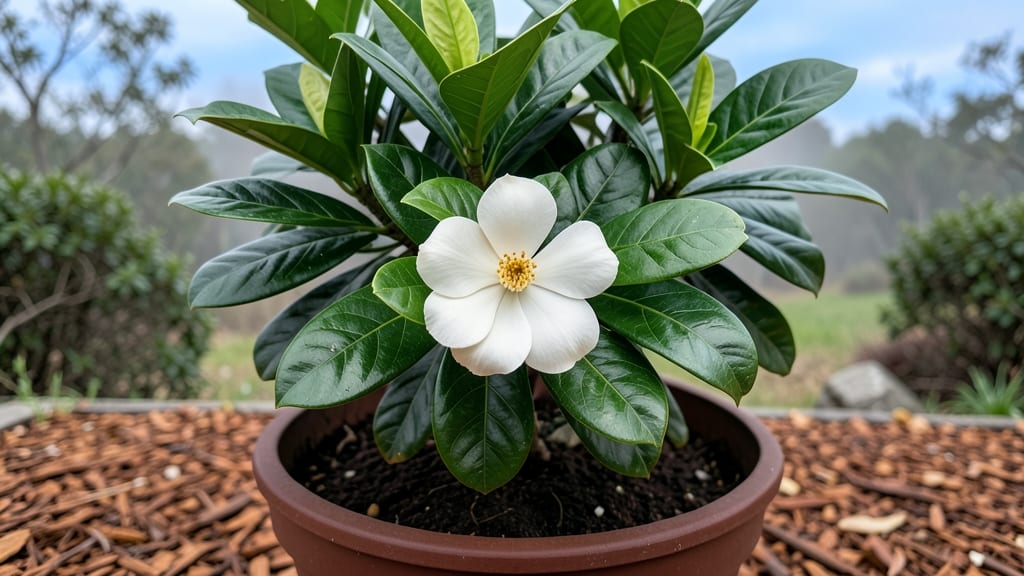
Gardenia sunlight requirements are all about finding the perfect balance—too much scorches those glossy leaves, while too little means fewer of those intoxicating blooms.
Picture this: your gardenia thrives in the dappled shade of a morning sun, but wilts by afternoon. That’s the classic struggle for gardeners in USDA Zone 6a and warmer climates. The key? 4 to 6 hours of bright, indirect light—morning sun paired with afternoon shade.
Without the right light, you’ll see yellowing leaves or sparse flowers, but with the ideal setup, your 🌸 gardenia will reward you with lush growth and fragrant blooms all season.
Below, I’ll walk you through how to position your plant for success, whether it’s in a sunny patio or a shaded corner.
You’ll also learn how to spot signs of too much or too little light—and how to fix it fast. No more guessing games, just thriving gardenias.

How much sunlight do gardenias need for optimal growth?
Gardenias are prized for their intoxicating fragrance and glossy leaves, but they’re finicky about sunlight. Too much scorches their delicate foliage, while too little stunts blooms. The ideal balance is 4-6 hours of bright, indirect light daily, with morning sun and afternoon shade.
This sweet spot prevents leaf burn while fueling those iconic white flowers.
Your gardenia’s sunlight needs shift with your climate. In tropical zones (USDA 10+), they tolerate more sun—up to 6 hours of direct light—thanks to year-round warmth.
But in temperate zones (USDA 6-9), afternoon sun can become harsh, requiring protection after 12 PM. Understanding these differences ensures your plant thrives year-round.
Here’s how sunlight demands change by season: Spring and fall are ideal for gradual sun exposure, while summer’s intense rays may need afternoon shade. Winter’s weaker light often means supplementing with grow lights if blooms dwindle. Let’s break down the exact requirements for your climate zone.
| Climate Zone | Ideal Sunlight | Morning Sun | Afternoon Shade | Seasonal Adjustments |
|---|---|---|---|---|
| Tropical (USDA 10+) | 5–6 hours direct | Full morning sun | Light shade after 1 PM | Minimal adjustments; prune for airflow |
| Temperate (USDA 6–9) | 4–5 hours indirect | Morning sun only | Full shade after 12 PM | Add shade cloth in summer |
| Cold (USDA 5–) | 3–4 hours indirect | South-facing window | No direct sun after 10 AM | Use grow lights in winter |
In tropical climates, gardenias can handle up to 6 hours of direct sunlight because high humidity and warmth protect their leaves from scorching. However, even here, afternoon shade after 1 PM prevents leaf burn.
Look for dappled shade from nearby trees or use a 30% shade cloth if growing in full sun.
For temperate zones, the golden rule is morning sun, afternoon shade. Position your gardenia where it gets bright indirect light for 4–5 hours, then relocate it to a shadier spot by noon.
East-facing windows or patios work perfectly, while south-facing spots may require afternoon protection with a sheer curtain or lattice.
If you’re in a cooler climate (USDA 5 or below), treat gardenias like indoor plants. They thrive near east or north-facing windows with 3–4 hours of filtered light.
In winter, supplement with a grow light for 12–14 hours daily to maintain blooming. Without this, buds may drop, and growth slows dramatically.
Watch for signs of too much sun: crispy, yellowing edges on leaves or white, sun-bleached patches are clear warnings. Too little light causes leggy stems, sparse blooms, and dark green, weak leaves.
Adjust gradually—moving a gardenia from shade to sun too quickly can shock its system, leading to leaf drop.
Pro tip: Rotate your potted gardenia quarter-turns weekly to ensure even light exposure. This prevents lopsided growth and encourages bushier, more balanced blooming. Pair this with regular pruning to open the center to sunlight and air circulation.
Remember, gardenias are tropical plants at heart. They crave consistency—whether that’s humidity, warmth, or light. By matching their sunlight needs to your climate, you’ll reward yourself with abundant, fragrant blooms all season long.
🌸
Signs your gardenia isn’t getting the right sunlight balance
Your gardenia might be silently screaming for help if its leaves turn yellow or blooms stay sparse. These are classic signs of sunlight imbalance, whether it's too much harsh afternoon sun or not enough gentle morning light.
I’ve seen gardenias thrive with just 4-6 hours of filtered sunlight, but even small adjustments can make a huge difference in their fragrance and growth.
One of the first clues is leaf scorch—crispy, brown edges on leaves exposed to direct midday sun. On the flip side, pale, leggy growth with few buds often means your gardenia is stretching toward light but not getting enough.
These visual cues are your gardenia’s way of telling you it’s time to tweak its environment for better health.
Gardenias thrive in partial shade (4-6 hours of bright indirect light). Too much sun causes leaf burn and wilting, while too little leads to stunted growth and fewer blooms. Adjust placement gradually—move potted gardenias incrementally to avoid shock.
If your gardenia’s leaves droop midday but perk up in the evening, it’s likely overheating from too much sun. Try relocating it to a spot with morning sun and afternoon shade, like under a light canopy or near a north-facing window.
For container gardenias, a lacy curtain can filter harsh rays while still allowing plenty of light.
Another red flag is bud drop—when buds form but fall off before opening. This often happens when gardenias get too much heat stress or inconsistent sunlight. To fix this, I recommend pruning leggy stems to encourage bushier growth and watering deeply in the morning to reduce stress.
A mulch layer also helps regulate soil temperature.
For gardenias in hot climates, afternoon shade is non-negotiable. Use reflective mulch or a white-washed trellis to bounce light away from leaves. In cooler areas, a south-facing window with sheer curtains can provide the perfect balance.
The key is observing your gardenia’s response to light and adjusting its spot seasonally.
Don’t forget to check the soil moisture—gardenias in low-light spots often need more frequent watering because they’re not photosynthesizing as efficiently. A quick soil test with your finger (top 2 inches should feel moist but not soggy) helps prevent root stress.
With the right sunlight balance, your gardenia will reward you with lush foliage and intoxicating blooms all season.