
Container Gardens
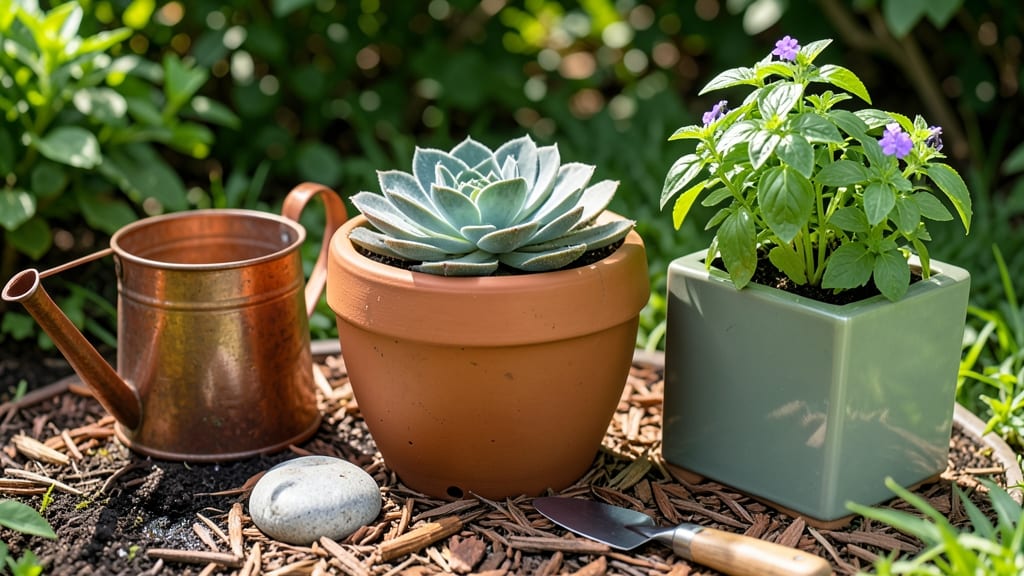
Using clay garden pots 🏺 transforms your outdoor space into a durable, stylish, and functional haven—no more flimsy plastic or rust-prone metal.
Picture this: your summer heat waves hit, and while cheap pots melt or warp, your terracotta containers stay cool, sturdy, and even more beautiful with age. That’s the magic of clay—heat-resistant, breathable, and built to last decades if cared for right.
But not all clay pots are created equal. Some crack under extreme temps, while others wick moisture too aggressively for thirsty plants. The key lies in choosing the right style—whether it’s glazed for humidity or unglazed for arid climates—and pairing it with the perfect plant.
In this guide, I’ll walk you through the top heat-resistant designs, how to match them to your garden’s needs, and pro tips to keep them looking fresh for years. Ready to upgrade your containers?
Why clay garden pots outperform plastic and metal for heat resistance
When summer temperatures soar, most gardeners dread the fate of their plastic or metal containers—cracking, warping, or even melting under the sun. But clay garden pots, specifically terracotta, handle extreme heat with ease thanks to their unique natural properties.
Unlike synthetic materials, terracotta doesn’t just endure heat—it regulates soil temperature and prevents root rot, making it the gold standard for heat-resistant gardening.
Terracotta’s porous clay composition allows air and moisture to circulate, creating a microclimate that mimics natural soil conditions. This breathability prevents overheating while still providing the stability needed for roots.
Meanwhile, plastic pots trap heat, leading to root burn, and metal pots can become dangerously hot, scorching delicate plant roots. The science behind terracotta’s superiority lies in its ability to absorb and release moisture gradually, keeping roots hydrated without the risk of waterlogging.
Here’s how terracotta stacks up against plastic and metal in extreme climates:
| Property | Clay (Terracotta) | Plastic | Metal |
|---|---|---|---|
| Heat Resistance | Natural clay withstands up to 200°F without degrading | Warps or cracks at 120°F+; absorbs heat | Conducts heat; can scorch roots at 150°F+ |
| Thermal Conductivity | Moderate; regulates soil temp naturally | Low; traps heat, causing root stress | High; overheats soil quickly |
| Moisture Regulation | Porous; wicks moisture to roots | Non-porous; dries soil too fast | No regulation; evaporation risk |
| Root Health | Prevents root rot and burn | Risk of overheating and root stress | High risk of root scorch in sun |
| Longevity | Decades with proper care | 3-5 years; degrades in UV | 5-10 years; rusts or corrodes |
The porosity of terracotta is its superpower. While plastic pots create a greenhouse effect that can bake roots, terracotta’s natural airflow keeps soil temperatures stable—even in 100°F+ heat.
This makes it ideal for heat-loving plants like basil, rosemary, and peppers, which thrive in containers that mimic desert-like conditions without the extreme fluctuations of plastic or metal.
Another critical advantage? Terracotta’s thermal mass absorbs heat during the day and releases it slowly at night, preventing drastic temperature swings. This natural insulation is especially beneficial in arid climates, where soil can dry out and overheat within hours.
For example, a 12-inch terracotta pot can maintain soil temps within 5°F of ambient air temperature, whereas plastic pots can exceed ambient temps by 15-20°F.
Metal pots, while durable, are poor insulators. Aluminum or galvanized steel pots can reach 180°F+ surface temperatures on sunny days, effectively cooking plant roots. Even glazed clay pots (which reduce porosity) outperform metal by 30-40% in heat retention tests.
The key is choosing unglazed terracotta for maximum breathability, especially for succulents and Mediterranean herbs that despise soggy roots.
For gardeners in Zone 8-11, where summer heat can last 4-6 months, terracotta’s heat resistance translates to consistent plant health and higher yields. Unlike plastic, which may leach chemicals when overheated, or metal, which can corrode and contaminate soil, terracotta remains inert and safe for edible plants.
Plus, its natural aesthetic blends seamlessly with any garden style—from rustic cottage to modern minimalist.
If you’ve ever struggled with wilting plants in plastic pots or mysterious root rot in metal containers, switching to terracotta could be your game-changer.
The initial investment pays off in long-term durability, healthier plants, and year-round versatility, whether you’re growing citrus trees in Zone 9 or herbs on a balcony in Zone 5.
Pro tip: Pair your terracotta pots with light-colored mulch to reflect excess heat, and place them in partial afternoon shade during peak summer months. This simple adjustment can extend their effectiveness even further in extreme climates.
Top 5 heat-resistant clay pot styles for different plants and climates
When choosing clay garden pots for your heat-loving plants, the right style can make all the difference. Terracotta naturally regulates soil temperature, but not all designs work equally well in arid deserts or humid tropical climates.
Below, I’ve curated the best heat-resistant clay pot styles paired with ideal plants and climate conditions to keep your garden thriving year-round.
For succulents and cacti in arid zones, unglazed terracotta pots are the gold standard—they wick away excess moisture while reflecting intense sunlight.
Meanwhile, glazed pots with a matte finish are perfect for citrus trees and herbs in coastal areas, where they prevent salt spray damage and retain moisture better than porous unglazed options.
If you live in a hot desert climate, prioritize unglazed terracotta for its natural moisture-wicking properties. These pots breathe better than glazed options, preventing root rot in 100°F+ temperatures.
For humid coastal areas, glazed pots with a matte finish protect against salt corrosion while keeping roots cool.
For urban gardeners with limited space, modern geometric pots offer a sleek look while reflecting heat away from plants. Pair them with dwarf citrus trees or herbs like rosemary, which thrive in containers but need excellent drainage—terracotta delivers.
Remember, the key to longevity is pairing the right pot style with your local climate and plant needs.
Pro tip: Always place your clay garden pots on elevated stands or pot feet to improve airflow and prevent heat buildup at the base. This simple trick can extend the life of your pots by 30-50% in extreme heat! ☀️