
Fertilization
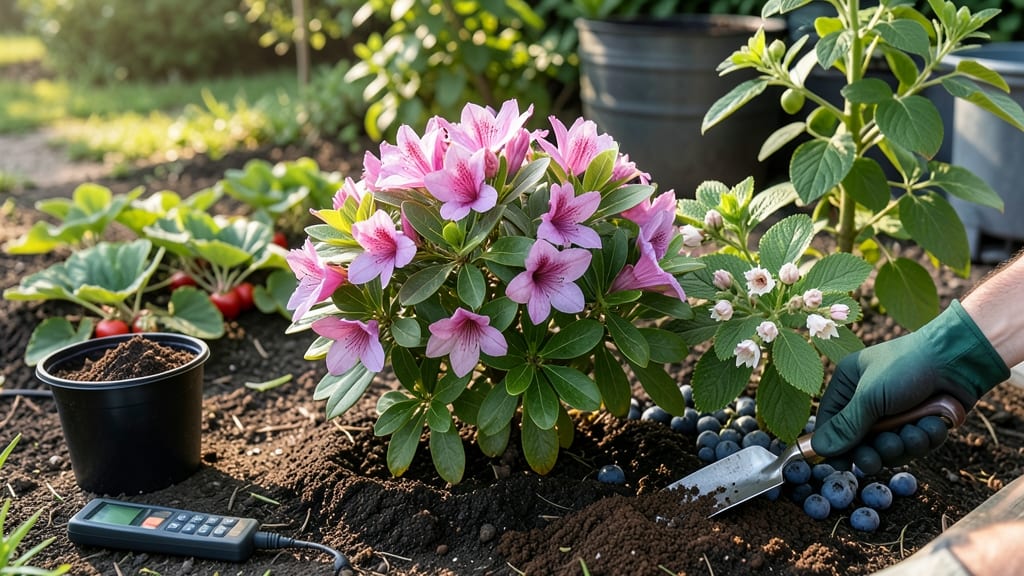
Using coffee grinds in your garden enhances soil fertility by providing nitrogen, deterring pests like slugs and snails, and promoting beneficial microbial growth—though you should compost fresh grinds first to avoid mold and nutrient imbalances.
Coffee grinds act like a natural fertilizer because they're packed with nitrogen, a key nutrient that helps plants grow lush and green. 🌱 The grinds also create an environment that deters pests by disrupting their habitats, while the organic matter feeds soil microbes that break down nutrients into forms plants can absorb.
I've found that layering used grinds in compost piles or mixing them into mulch around acid-loving plants like blueberries and azaleas works best—just avoid overdoing it, as too much can make soil too acidic.
For pest control, I sprinkle a thin layer of dry grinds around plants slugs and snails target, like hostas or lettuce. The coarse texture makes it difficult for these pests to move, while the caffeine content acts as a natural repellent.
Always compost fresh grinds first, as they can mold or tie up nitrogen in the soil if used directly. This simple garden hack turns kitchen waste into a powerful soil booster!
💡 In This Article
- How Coffee Grounds Boost Soil Health
- Best Ways to Apply Coffee Grounds in Your Garden
How coffee grounds boost soil health
Coffee grinds are essentially concentrated nitrogen sources because they contain about 2% nitrogen by weight—roughly 10 times more than fresh grass clippings. When grinds decompose, this nitrogen converts into ammonium (NH₄⁺), which plants absorb through their roots.
The process also releases trace minerals like potassium and phosphorus, though in smaller amounts. The key is microbial activity: soil bacteria and fungi break down the organic matter, creating a nutrient-rich environment that improves soil structure and water retention.
The pH impact is where coffee grinds get interesting. Fresh grinds are acidic (pH ~6.2-6.8), which makes them ideal for acid-loving plants like blueberries, azaleas, and rhododendrons. These plants thrive in soil with pH 4.5-6.0, and coffee grinds can help maintain that range.
However, the effect is gradual—adding grinds directly to alkaline soil won't instantly acidify it. Instead, think of them as a slow-release amendment that works best when composted first, blending into the soil over 3-6 months rather than all at once. 🌿
What most gardeners overlook is how coffee grinds stimulate microbial diversity. The complex organic compounds in grinds feed beneficial bacteria like Pseudomonas and Bacillus species, which outcompete harmful pathogens. This microbial boost isn't just about nutrients—it's about creating a balanced ecosystem where roots can access more oxygen and water.
The grinds also improve soil aeration by breaking down into a spongy, humus-like texture that prevents compaction, similar to how compost works but with a caffeine kick to deter pests.
There's a critical catch with fresh grinds: their high carbon-to-nitrogen ratio (20:1) can cause nitrogen lockout if used directly. When microbes decompose fresh grinds, they temporarily tie up nitrogen in the soil, starving plants of this essential nutrient.
This is why composting first is non-negotiable—it lets the grinds partially break down, balancing the ratio to 15:1 or lower, making nutrients immediately available. The exception is when using grinds as a surface mulch, where decomposition happens gradually without disrupting the root zone.
Let's talk about the pest-repelling magic. The caffeine in coffee grinds (about 1-2% by weight) acts as a natural deterrent for slugs, snails, and even some insects. These pests avoid the coarse texture and bitter taste, making grinds an excellent alternative to chemical slug baits.
The grinds also disrupt the slime trails that slugs use to navigate, creating a physical barrier. For best results, sprinkle a ¼-inch layer around vulnerable plants like lettuce or hostas—just avoid overdoing it, as too much can smother plant roots or attract fungus gnats.
One advanced technique I've experimented with is creating a "coffee grind tea" by steeping used grinds in water for 24-48 hours, then using the liquid as a foliar spray. This method captures the soluble nutrients and makes them instantly available to plants.
The tea has a rich, earthy aroma that gardeners often describe as "like wet forest soil," and it leaves a slight sheen on leaves that helps deter aphids. Just dilute it 1:10 with water to avoid over-fertilizing tender foliage. 💫