
Vegetables
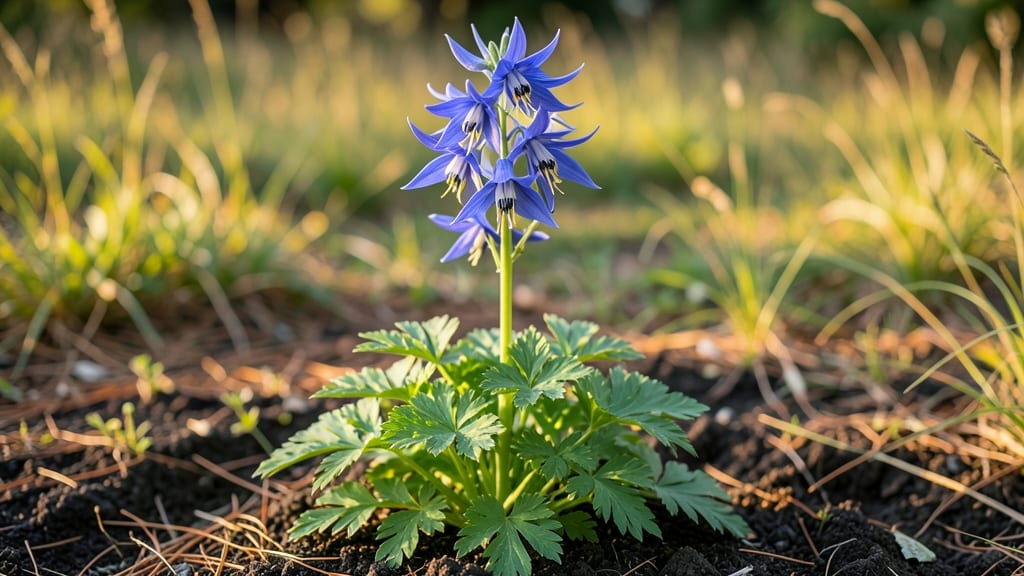
The Colorado Springs garden zone falls within USDA Hardiness Zones 5b to 7a, with winter temperatures dipping to 5°F–10°F and summer peaks often exceeding 90°F. These conditions create ideal planting windows in spring (April–May) and fall (September–October), though elevation variations near Pikes Peak (Zone 5a) and Fountain (Zone 7a) require localized adjustments.
Understanding your specific zone helps you choose plants that survive Colorado Springs' dramatic temperature swings. 🌱 The lower elevations near Fountain benefit from Zone 7a's milder winters, allowing for a wider variety of heat-loving plants like okra or sweet potatoes, while Pikes Peak's Zone 5a demands cold-hardy selections such as Russian sage or hardy kiwi.
The city's high desert climate also means many plants need extra watering during the dry summer months, so drought-tolerant varieties like lavender or yarrow become essential for thriving gardens.
For accurate planning, I recommend checking the USDA Plant Hardiness Zone Map with your exact address, as microclimates can shift zones within just a few blocks. Local nurseries often provide tailored advice too, helping you match plants to your garden's unique conditions.
💡 In This Article
- Colorado Springs Hardiness Zones Explained: What It Means for Plant Survival
- Best Plants for Colorado Springs Gardens by Zone and Season
Colorado Springs hardiness zones explained: what it means for plant survival
The USDA hardiness zones in Colorado Springs—5b to 7a—reflect the region's dramatic temperature shifts, where winter lows can plunge to 5°F while summers often hit 90°F+.
These zones are determined by the average annual minimum temperature, meaning plants labeled for Zone 5b can tolerate down to -15°F, while Zone 7a plants handle 0°F lows.
This range explains why tropical plants like bananas or citrus struggle here: they can’t survive the deep freezes, even in milder Zone 7a areas.
The elevation difference between Pikes Peak (14,115 ft) and lower areas like Fountain (6,100 ft) creates microclimates that shift zones by up to 2 degrees.
At higher elevations, colder air settles, pushing temperatures into Zone 5a, while lower elevations near Fountain warm up faster, reaching Zone 7a. This is why frost dates vary—higher areas may see frost until May 15, while lower spots might avoid it until May 1. 🌡️ Understanding these shifts helps gardeners pick plants that match their specific elevation and exposure.
Frost dates are critical for planting success. In Colorado Springs, the last spring frost typically occurs between April 15 and May 10, depending on elevation, while the first fall frost arrives around September 15 to October 1.
This narrow window explains why spring planting (after frost) and fall planting (before frost) are ideal. For example, tender annuals like tomatoes need to wait until after the last frost, while hardy perennials like coneflowers can be planted in early spring or fall.
Drought stress is another key factor. Colorado Springs’ high desert climate means even Zone 7a plants may need supplemental watering during the dry summer months.
The USDA zones don’t account for water availability, so drought-tolerant varieties like Russian sage (Perovskia) or yarrow (Achillea) thrive here, while moisture-loving plants like hostas may struggle unless given extra care. This is why local nurseries often recommend native species—they’re already adapted to the region’s water limitations.
To verify your exact zone, use the USDA Interactive Plant Hardiness Zone Map, which accounts for elevation and local weather data. Entering your address provides precise zone details, including microclimates like south-facing slopes (warmer) or shaded areas (cooler).
For example, a garden on the north side of a hill might be 1-2 zones colder than one on the south side, even if they’re just a few feet apart. This level of detail ensures you choose plants that will survive—and thrive—in your specific spot.
What most gardeners don’t realize is that wind exposure also affects plant survival. Colorado Springs’ high winds can dry out soil and damage tender plants, especially in exposed areas. Windbreaks like shrubs or fences help protect gardens, creating a more stable microclimate.
This is why many successful gardens here use wind-resistant plants like buffalo grass (Bouteloua dactyloides) or sand cherry (Prunus pumila) as natural barriers. 💨
Finally, soil temperature matters just as much as air temperature. In Zone 5b areas, soil may not warm enough for planting until May 15, even if air temperatures rise earlier. Using a soil thermometer to check for 50°F+ ensures seeds and transplants have the right conditions to germinate.
This is especially important for vegetables like peppers, which need warm soil to thrive. By paying attention to these details, you can maximize your garden’s success in Colorado Springs’ unique climate.