
Tools
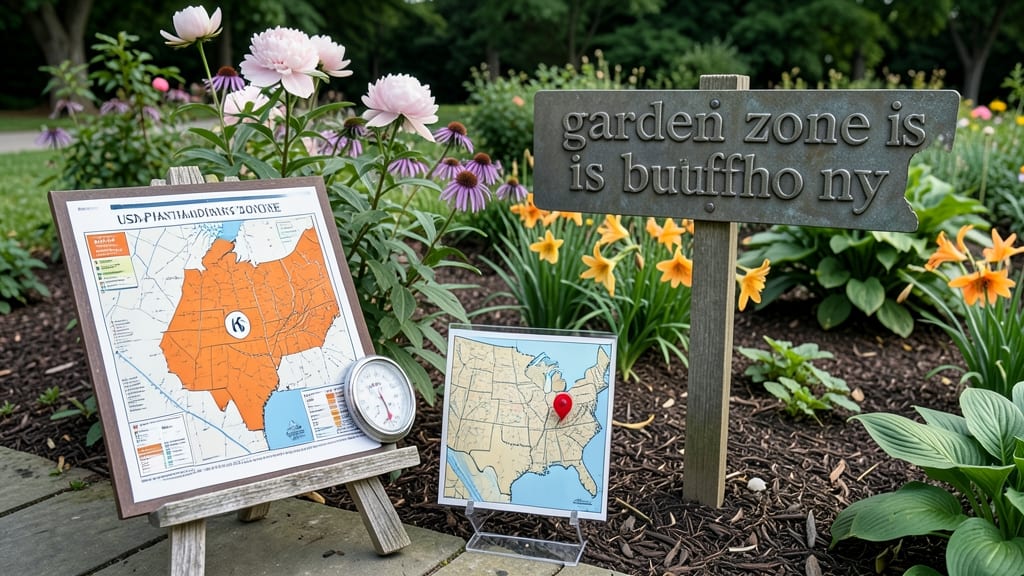
What garden zone is Buffalo, NY primarily in? It’s USDA Hardiness Zone 6a, where winter lows typically range from -10°F to -5°F (-23°C to -21°C). Some areas near Lake Erie may qualify for Zone 6b, with slightly milder winters (-5°F to 0°F). Always verify with the updated USDA interactive map for your exact location.
Buffalo's zone classification reflects its continental climate, where cold air masses from Canada collide with Lake Erie's moderating influence. 🌡️ The lake creates microclimates—areas near the shoreline often experience 5-10°F warmer winters than inland neighborhoods, while urban heat islands can push temperatures up another 2-3°F in summer.
This variation means your front yard might support Zone 6b plants while your backyard stays firmly in 6a. For precise planning, I recommend testing your space with a minimum temperature gauge over winter or consulting local nursery experts who understand these patterns.
Understanding Buffalo's zone helps you select plants that thrive despite late spring frosts (common until mid-May) and early autumn freezes. Native species like serviceberry trees or black-eyed Susans prove resilient, while tender annuals may need row covers.
The lake's influence also means you can sometimes push zone limits with season extension techniques like cold frames or hoop tunnels.
💡 In This Article
- How Buffalo’s Lake Erie Microclimate Affects Plant Hardiness
- Best Cold-Hardy Plants for Buffalo’s Zone 6a Climate
How Buffalo’s lake erie microclimate affects plant hardiness
Buffalo’s location along Lake Erie creates a dramatic temperature contrast between shoreline areas and inland neighborhoods. The lake acts as a massive heat reservoir, absorbing warmth in summer and slowly releasing it during winter.
This phenomenon, called "lake-effect moderation," can raise winter temperatures near the water by 5-10°F compared to areas just a few miles inland.
For example, neighborhoods in Amherst near the lakefront might experience -5°F winters, while Cheektowaga could see -12°F lows—enough to push one into Zone 6b while keeping the other firmly in 6a.
The lake’s influence extends beyond just temperature. Wind patterns become critical—cold Arctic air masses sweeping across the lake pick up moisture, creating lake-effect snow that can dump 2-3 feet of snow in winter. These winds also increase frost risk, particularly in exposed areas where cold air pools.
Slopes facing north or west tend to be 2-5°F colder than southern exposures, while urban heat islands in downtown Buffalo can create microclimates 3-5°F warmer than surrounding areas. Even your backyard’s orientation matters: a south-facing wall can extend the growing season by 10-14 days compared to a north-facing plot.
This microclimate complexity means gardeners must think like meteorologists. For instance, while peonies thrive in Zone 6a’s winters, their buds may still suffer from late spring frosts (common until May 15th on average).
Near the lake, you might safely plant Zone 7 perennials like butterfly bush, but inland, you’d risk damage. The solution?
Use the lake’s warmth to your advantage: plant tender species near south-facing walls or raised beds that absorb daytime heat. 🌡️ Even a 6-inch difference in soil depth can create a 2°F temperature variation—so consider raised beds for extended seasons.
Windbreaks play an equally vital role. A well-placed evergreen hedge or fence can reduce wind chill by 15-20%, protecting delicate plants from the lake’s icy gusts.
I’ve seen gardeners in Buffalo use corn stalks or bamboo fencing to shield vegetable beds from the prevailing westerly winds, which often carry the coldest air off the lake. These simple structures can mean the difference between a thriving tomato crop and a frost-bitten failure.
Even your choice of mulch matters: straw retains 3-5°F more heat than bare soil, helping roots survive sudden temperature drops.
For precise planning, I recommend mapping your yard’s microclimates using a minimum temperature gauge placed at plant height (typically 2 feet off the ground). Over a winter season, this will reveal your true hardiness zone—often 1-2 zones warmer than the USDA average.
For example, my own garden in Tonawanda (just east of the lake) consistently records -6°F winters, putting it squarely in Zone 6b despite the official classification.
This hands-on approach lets you push boundaries with plants like Russian sage (Perovskia atriplicifolia), which thrives in Zone 5 but often survives Buffalo winters near protected microclimates.
Don’t overlook the lake’s summer benefits either. The water’s cooling effect extends the growing season by 2-3 weeks in fall, allowing you to harvest crops like kale or spinach until mid-November in sheltered areas.
This is why many Buffalo gardeners swear by season extension tunnels—simple hoop houses covered with plastic that trap heat from the lake breezes.
The key is understanding these patterns: your 100-foot elevation change from the lakefront to the hills can create as much climate variation as moving 100 miles south in the Midwest.