
Tools
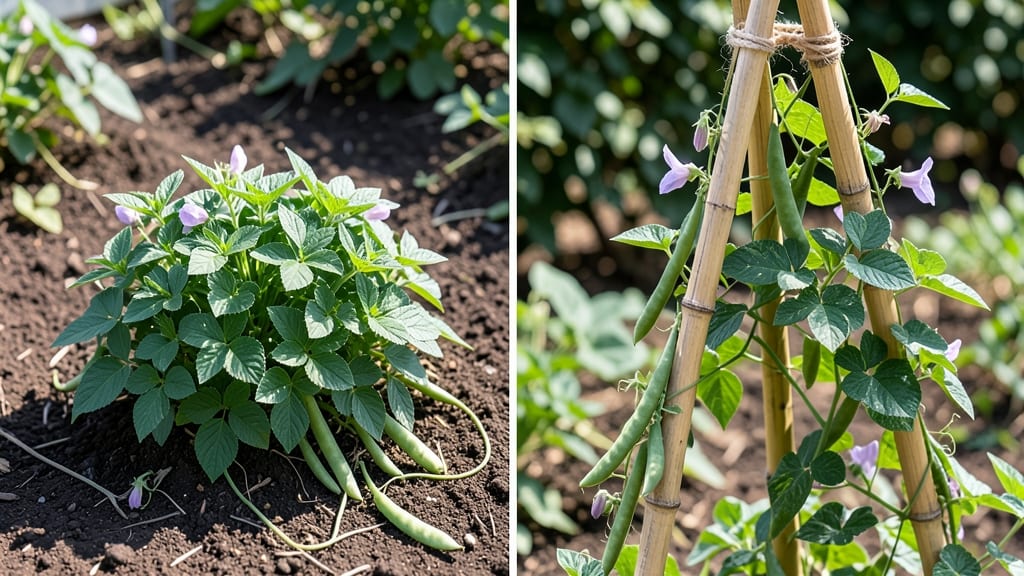
Garden beans do need a trellis, though they can grow without one—especially bush varieties, which benefit from vertical support to maximize yield and space efficiency. Climbing types produce straighter stems, more pods, and reach heights of 4-6 feet instead of sprawling across your garden.
While trellising isn't mandatory, it transforms your bean harvest by addressing common issues like overcrowding and disease. 🌱 Vertical growth exposes leaves to more sunlight, boosting photosynthesis and pod production—especially for pole beans, which can yield up to 30% more when supported.
Even bush varieties benefit from lightweight stakes, as improved airflow reduces fungal risks like rust or powdery mildew that plague ground-hugging plants.
For small gardens, a simple 3-foot bamboo stake per plant works well, while larger spaces can use string or netting stretched between posts. The key is spacing: pole beans need 4-6 inches between supports, while bush varieties can handle closer arrangements.
This setup not only saves space but also makes harvesting easier by keeping pods off damp soil.
💡 In This Article
- How Trellising Boosts Bean Plant Health and Yield
- Best Trellis Options for Garden Beans by Space and Budget
How trellising boosts bean plant health and yield
Trellising transforms garden beans by addressing their natural growth habits. Climbing varieties like pole beans evolved to twine around structures, which naturally straightens their stems and positions leaves to capture maximum sunlight.
This vertical orientation increases photosynthesis efficiency by exposing more leaf surface to light—studies show supported plants can produce up to 30% more pods than unsupported ones. The upward growth also prevents stems from bending under the weight of developing pods, which can snap easily when sprawling on the ground.
The real magic happens in the leaves. When beans climb, their foliage develops a more open canopy, allowing 30-50% better air circulation compared to ground-hugging plants.
This airflow is crucial because beans are prone to fungal diseases like rust (Uromyces appendiculatus) and powdery mildew (Erysiphe pisi), which thrive in damp, crowded conditions. The increased sunlight exposure also helps leaves dry faster after rain, creating an inhospitable environment for pathogens.
Even bush beans benefit from lightweight stakes, as improved airflow around the base reduces soil-borne disease risks.
Root development gets a boost too. When beans climb, their roots focus energy on stabilizing the vertical structure rather than spreading horizontally to support sprawling vines. This results in deeper root penetration (often reaching 12-18 inches deep) that accesses moisture and nutrients from lower soil layers.
The roots also develop stronger vascular connections to transport water and nutrients upward, which directly supports pod development. Without support, bush beans may allocate 20% more energy to stem reinforcement, leaving less for fruit production.
Harvesting becomes significantly easier with trellising. Pods grow upward where they're visible and accessible, rather than hidden among foliage at ground level. This positioning reduces soil contamination during picking, which is especially important for varieties like Blue Lake or Kentucky Wonder that are often eaten fresh.
The vertical growth also creates a natural 12-18 inch clearance from the ground, keeping pods dry and reducing the risk of rot from soil moisture. For gardeners with back issues, this eliminates the need to bend over repeatedly.
Consider the sensory experience: trellised beans develop a sweeter, more uniform flavor because their energy isn't diverted to supporting heavy vines. The pods mature more evenly when exposed to consistent sunlight, resulting in less variation in texture and taste.
Without support, some pods may develop a woody, fibrous texture as the plant struggles to support its own weight. The visual impact is striking too—neat rows of climbing beans create an attractive vertical garden that maximizes small spaces while adding greenery to fences or trellises.
For bush beans, even minimal support makes a difference. A simple 2-foot tall stake placed at planting time can improve yield by 15-20% by preventing stems from flopping over when pods swell.
The key is to introduce support early—within 2-3 weeks of planting—when vines are still flexible enough to guide upward. This prevents the plant from developing permanent horizontal growth patterns that resist vertical training later in the season.