
Light Requirements
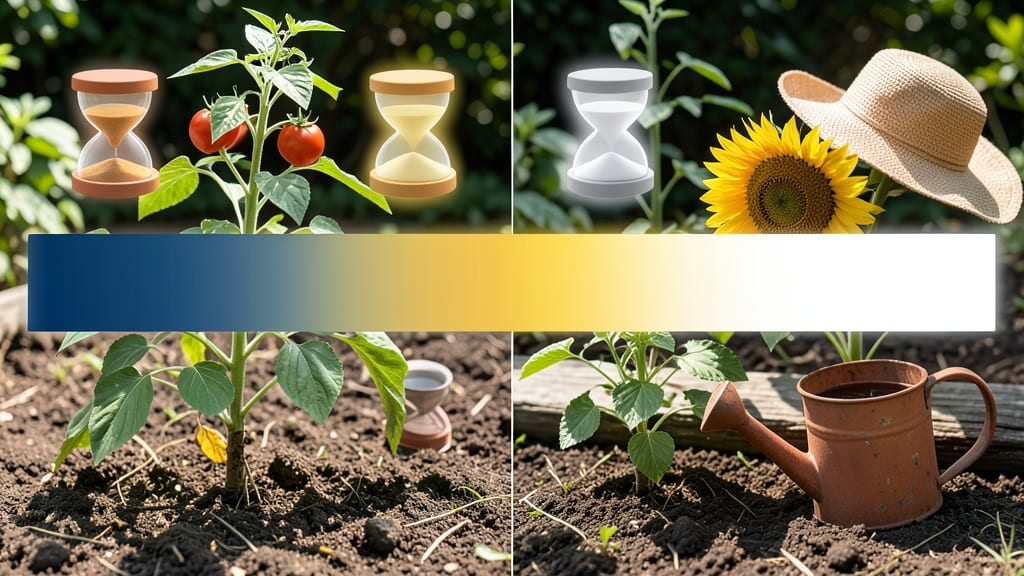
A garden needs 6 to 8 hours of sunlight daily to thrive, though some plants do just fine with less.
Picture this: you’ve spent hours planting your dream garden, only to watch it wilt under the wrong light conditions. Too little sunlight stunts growth, while too much can scorch leaves—leaving you scratching your head over why your plants aren’t flourishing.
The key? Matching your garden’s light exposure to what each plant truly needs.
From sun-loving tomatoes to shade-tolerant ferns, every plant has its own preferences. Some crave full sun, while others thrive in partial shade. Understanding these differences is the game-changer that separates a struggling garden from a lush, productive one.
In this guide, I’ll break down the exact sunlight requirements for different plants, share practical tips for measuring light in your space, and help you avoid common mistakes that leave gardens underperforming. Let’s get your garden growing strong!


Sunlight requirements by plant type: full sun vs. partial vs. shade-loving species
Understanding sunlight requirements is the foundation of a thriving garden. Too little light leads to stunted growth and weak stems, while too much can scorch leaves and reduce yields. Most plants fall into three categories: full sun (6+ hours), partial sun (3-6 hours), or shade-tolerant (<3 hours).
Knowing these distinctions helps you design a balanced garden that maximizes plant health and productivity.
Before choosing plants, observe your garden's natural sunlight patterns. Use a sunlight tracker or simply mark shadows at different times of day. South-facing areas typically receive the most light, while north-facing spots often stay shadier.
Even small adjustments—like moving a tomato plant to a sunnier spot—can dramatically improve your harvest.
Full sun plants thrive with 6+ hours of direct sunlight daily. These include vegetables like tomatoes, peppers, and corn, as well as flowers like sunflowers and marigolds. Succulents and roses also fall into this category. Without enough light, these plants may produce fewer flowers or fruits and develop weak, leggy stems.
Partial sun plants prefer 3-6 hours of sunlight and can tolerate some shade. This group includes herbs like basil and oregano, hostas, and coleus. These plants often grow in morning sun with afternoon shade or in woodland gardens where dappled light filters through trees. Too much direct sun can cause leaf burn, while too little shade may lead to poor flowering.
Shade-loving plants thrive with less than 3 hours of sunlight and are perfect for woodland gardens, north-facing yards, or areas under trees. Examples include ferns, hostas, and caladiums. These plants often have larger leaves to capture whatever light is available. Without enough shade, they may wilt or bleach out.
Matching plants to their light requirements isn’t just about placement—it’s about seasonal adjustments. In summer, trees cast longer shadows, reducing sunlight by up to 50% in some areas. Conversely, winter sun is less intense, so a partial sun plant might tolerate more light during cooler months.
Always consider your garden’s microclimate—a south-facing wall can extend sunlight hours, while a shady corner may need shade-loving species.
For container gardening, sunlight needs change dramatically. A potted tomato plant on a balcony might get only 4 hours of sun if placed in the wrong spot.
Rotate containers regularly to ensure even light exposure and use reflective surfaces like white walls or mirrors to bounce extra light onto plants. If you notice yellowing leaves or stretched stems, it’s a sign your plant isn’t getting enough light—time to relocate!
Don’t overlook seasonal transitions. A partial sun plant like coleus might thrive in summer but struggle in winter when sunlight weakens. Use garden markers to track which plants need adjustments as the seasons change.
If you’re unsure about your garden’s light levels, invest in a sunlight meter or take photos at different times of day to analyze light exposure.
Even the most experienced gardeners misjudge sunlight sometimes. If your peppers aren’t fruiting or your hostas look pale, reassess their light conditions. A simple fix—like moving a plant a few feet closer to a sunny spot—can make all the difference.
Remember, the goal is balanced growth, not maximum sun exposure for every plant.
Start small by grouping plants with similar light needs together. For example, place tomatoes, basil, and marigolds in a full sun bed, while ferns and impatiens thrive in a shady nook.
Over time, you’ll develop an intuitive sense of how sunlight shapes your garden’s success. With the right placement, your plants will reward you with vibrant blooms, abundant harvests
How to measure and optimize sunlight in your garden for maximum growth
Measuring sunlight accurately is the first step to creating a thriving garden. Many gardeners assume their space gets enough light, but overestimating or underestimating sunlight can lead to poor growth or plant stress.
Start by observing your garden from sunrise to sunset—note when shadows appear and how they shift throughout the day. This simple practice reveals microclimates (small areas with unique light conditions) that might need adjustments.
Digital tools can simplify this process. Use a sunlight calculator (like those from SunCalc or Garden Planner) to map sunlight exposure in your yard. These tools account for your location, season, and nearby structures.
For example, a south-facing garden in USDA Zone 6a might receive 8+ hours of sunlight in summer but only 4-5 hours in winter due to lower sun angles.
Sunlight Warning: Most Gardens Need More Than You Think!
While 3-4 hours of sunlight may suffice for shade-loving plants like hostas or ferns, 6+ hours is the minimum for most vegetables, herbs, and flowering plants. Full sun (6-8+ hours) is critical for tomatoes, peppers, and roses, while partial shade (3-6 hours) works for coleus or impatiens. Overestimating shade is a common mistake—always verify with a sunlight audit before planting!
Once you’ve mapped your sunlight, adjust your garden layout to optimize growth. Place sun-loving plants (like zucchini or lavender) in the sunniest spots, while shade-tolerant plants (such as astilbe or parsley) thrive under trees or structures.
Rotate plants seasonally if your sunlight changes—spring and summer often provide more light than fall and winter.
Watch for signs of sunlight stress like leaf scorch (brown edges) or leggy growth (stretched stems). Leaf scorch indicates too much direct sun, while leggy plants signal insufficient light.
Adjust by moving plants or using shade cloth (for sensitive varieties) or reflective mulch (to bounce light onto lower leaves).
For container gardens, prioritize south- or west-facing windowsills or use grow lights if natural light is limited. Even 6-8 hours of artificial light can supplement outdoor conditions. Test your setup by monitoring plant health—healthy foliage and vigorous blooms confirm you’ve optimized sunlight!
Remember, sunlight isn’t static. Trees, buildings, and even your own height can cast unexpected shadows. Reassess your garden every 3-6 months to account for seasonal changes and growth. With these adjustments, your garden will flourish year-round! 🌱