
Light Requirements
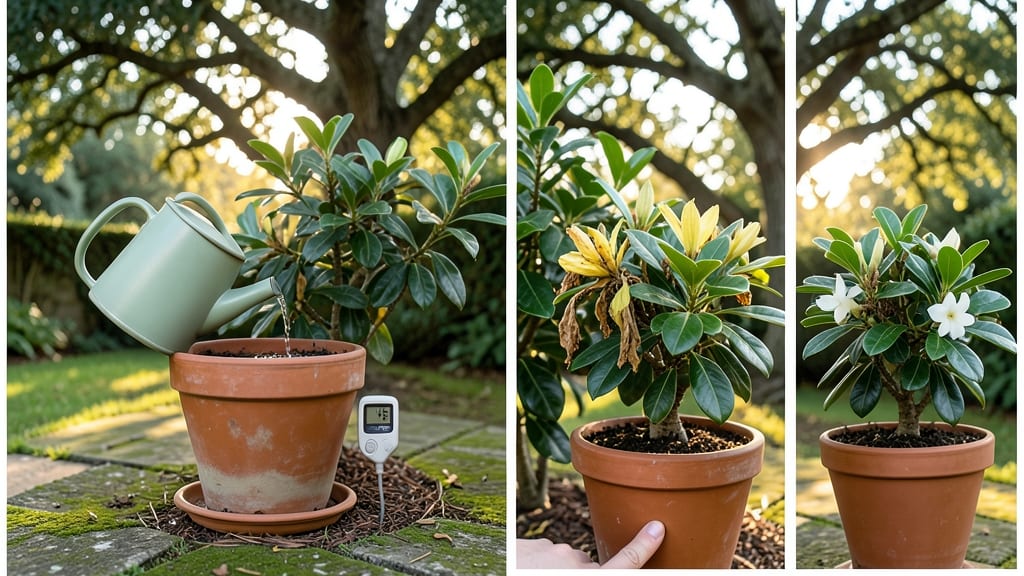
Do gardenias need a lot of water to fuel their fragrant blooms 🌸, but too much turns their roots into a science experiment you don’t want to see up close?
Picture this: your gardenia’s glossy leaves start yellowing at the edges, then the buds drop before they even open. That’s not wilting—it’s a watering crisis. The key isn’t drowning the soil or letting it bone-dry; it’s striking the perfect balance between hydration and aeration.
In this guide, I’ll break down the exact watering rhythm your gardenia craves—how often to water, when to step back, and how to read the soil for clues. We’ll also tackle the dreaded root rot warning signs and why your morning watering habit might be backfiring in summer heat.
By the end, you’ll know not just how much to water, but when to adjust for humidity, soil type, and even your local climate. No more guessing—just thriving, fragrant gardenias that reward your effort with blooms that smell like a tropical vacation.
Optimal watering schedule for gardenias: how often and how much?
Gardenias thrive in humid, moist conditions but despise soggy roots—this tropical shrub needs consistent moisture without drowning. Unlike drought-tolerant plants, gardenias demand frequent watering during active growth, especially in USDA Zones 7-10 where heat accelerates evaporation.
The key? Deep, infrequent watering that mimics their native tropical rainfall patterns while preventing root rot from poor drainage.
Most gardeners overwater by default, thinking these fragrant beauties need constant hydration. In reality, gardenias prefer even moisture—never letting the soil dry completely but avoiding waterlogged conditions. Your watering schedule should shift with seasonal heat, soil type, and container vs. in-ground planting.
For example, a potted gardenia in full sun may need daily watering in July, while an in-ground specimen in partial shade might thrive on every 3-4 days in May.
Here’s the science-backed truth: gardenias absorb water through their shallow root systems, so surface watering often fails to reach their roots. Instead, aim for 1-2 inches of soil moisture at all times. Use your finger to test—if the top 1-2 inches feel dry, it’s time to water.
But if the soil stays damp for more than 24 hours, you’re overdoing it. This balance is your golden ticket to lush blooms without fungal risks.
| Condition | Watering Frequency | Soil Moisture Goal | Best Time to Water |
|---|---|---|---|
| Spring (Zone 7-10) | Every 2-3 days | Top 1-2" moist | Morning (6-9 AM) |
| Summer (Peak Heat) | Daily or every other day | Top 1" moist | Early morning (before 10 AM) |
| Fall (Cooling Down) | Every 3-4 days | Top 2" moist | Morning or late afternoon |
| Winter (Dormant) | Bi-weekly (every 2 weeks) | Top 3" slightly dry | Morning (avoid freezing) |
| Potted Gardenia (Any Season) | Every 1-2 days | Top 1" moist | Morning (containers dry faster) |
| In-Ground Gardenia (Well-Draining Soil) | Every 3-5 days | Top 2-3" moist | Morning or evening (avoid midday) |
Morning watering is non-negotiable for gardenias—this prevents fungal diseases like powdery mildew by letting foliage dry quickly. Watering in the evening keeps moisture on leaves overnight, creating a perfect breeding ground for pathogens.
Pro tip: Use a soaker hose or drip irrigation to deliver water slowly and directly to the roots, reducing evaporation and runoff. If you hand-water, aim for the base of the plant and avoid wetting leaves to minimize disease risk.
Climate zones dramatically impact your watering routine. In humid zones (e.g., Florida, Hawaii), gardenias may need less frequent watering because high humidity reduces evaporation. Conversely, in arid regions (e.g., Arizona, California), you’ll water daily during summer to compensate for rapid moisture loss.
Always adjust based on local rainfall—if it rains 1 inch, skip your scheduled watering for that day. A rain gauge is a game-changer for tracking natural hydration.
Soil type plays a huge role in water retention. Gardenias hate clay soil, which stays soggy, and sandy soil, which dries too fast. The ideal mix is 60% peat moss or coconut coir, 30% perlite, and 10% sand to mimic their acidic, well-draining native habitat.
If your soil is heavy, amend it with compost or plant in a raised bed to improve drainage. For potted gardenias, ensure the container has drainage holes—this isn’t optional, as stagnant water leads to root rot within days.
Visual cues are your early warning system for watering mistakes. Underwatered gardenias show drooping leaves, crispy edges, and buds that drop before opening. Overwatered plants, on the other hand, develop yellow leaves, mushy stems, and a foul, sour smell from the soil.
If you spot these signs, adjust immediately: underwatered? Water deeply and mulch to retain moisture. Overwatered? Let the soil dry out completely for 3-5 days before resuming your schedule. Patience is key—gardenias bounce back faster from underwatering than from root rot.
Mulching is a game-changer for gardenias, especially in hot climates. Apply 2-3 inches of organic mulch (like pine straw or shredded bark) around the base to lock in moisture, regulate soil temperature, and suppress weeds.
Just keep mulch 2 inches away from the trunk to prevent rot. For container gardenias, self-watering pots or moisture-retentive gels can help maintain consistent hydration without the guesswork. Remember, gardenias are not drought-tolerant—they’ll protest with wilting or leaf drop if neglected.
Pro gardeners swear by the "finger test" for soil moisture. Stick your finger 1-2 inches deep into the soil—if it feels dry and crumbly, water thoroughly.
If it’s cool and damp, wait another day. Pair this with a weekly check of the plant’s leaves: **bright green and glossy
Signs your gardenia is thirsty vs. drowning: root rot warning signals
Gardenias thrive in consistent moisture but despise soggy roots. The key is understanding the subtle differences between thirsty and drowning symptoms—both can look alarmingly similar at first glance. Let's decode the visual clues your gardenia uses to signal distress before it's too late.
When your gardenia is underwatered, its leaves will often curl inward and feel dry to the touch, almost like crispy parchment. The edges may develop brown, crispy tips as the plant conserves moisture in its core.
This is your gardenia's way of saying, "'I'm parched!'" Don't wait for wilting—act at the first sign of dryness.
Here's where it gets tricky: overwatered gardenias also wilt, but their leaves feel soggy rather than dry. Check the stems—if they're mushy or discolored near the soil line, that's a red flag for root rot.
The real giveaway? A musty, sour smell when you lift the plant. That's the stench of anaerobic bacteria thriving in waterlogged roots.
Do Gardenias Need a Lot of Water?
- Water deeply 2-3x/week in summer
- Check soil 1 inch down—should feel moist
- Water morning only to prevent fungal growth
- Use well-draining soil with perlite
- Let soil stay bone-dry for more than 2 days
- Water at night (encourages rot)
- Use heavy clay soil without amendments
- Ignore yellowing leaves for more than a week
💡 Pro Tip: Stick your finger in the soil—if it feels like a sponge, you're overwatering. If it's dry as dust, it's time to hydrate!
For underwatered gardenias, the recovery process is straightforward: soak the roots deeply until water runs from the drainage holes, then let the top inch dry before watering again. Pair this with morning watering to give leaves time to dry—preventing fungal infections that thrive in damp foliage.
I've revived multiple gardenias this way by simply adjusting my watering schedule to match the season.
When root rot sets in, you'll need to act fast. Start by trimming away mushy roots with sterilized shears, then repot in fresh, well-draining mix. Hold off on watering for 3-5 days to let any remaining damage heal.
In severe cases, you might need to root-prune the plant to encourage new, healthy growth—it's a drastic step, but often saves the plant.
Remember: gardenias are tropical plants that love humidity but hate wet feet. The secret lies in consistency—neither drought nor deluge. If you're unsure, always err on the side of slightly drier soil rather than soggy. Your gardenia's fragrance is worth the careful balance! 🌸