
Light Requirements
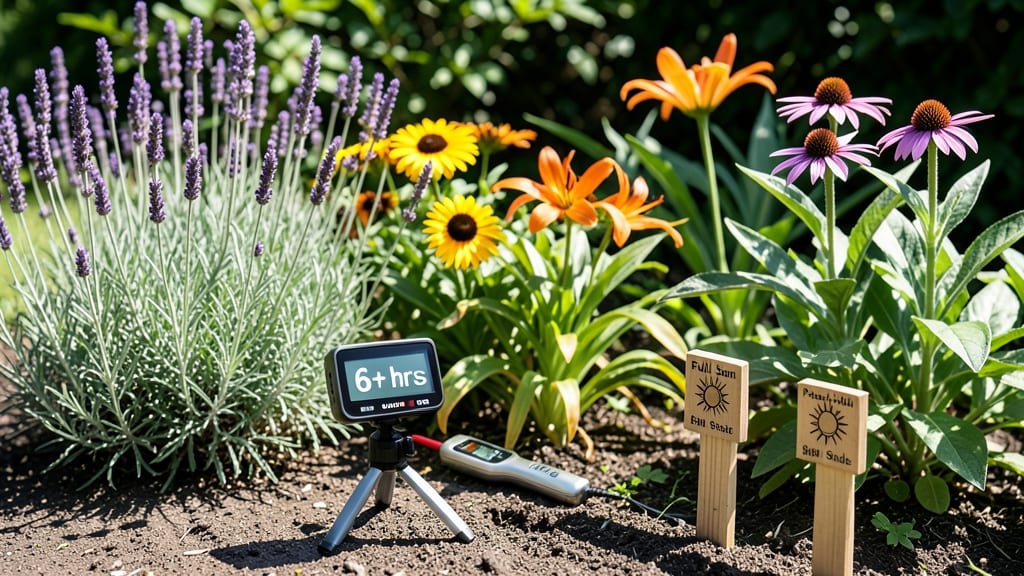
Do gardens need full sun? They certainly don’t—many plants grow beautifully in partial shade, particularly in hotter regions or naturally shaded spots, where they flourish with less intense sunlight.
Partial shade actually benefits many plants by preventing leaf scorch and reducing water loss. 🌿 In fact, some varieties—like hostas, ferns, and impatiens—thrive when protected from harsh afternoon rays.
This approach works especially well in northern climates or under large trees, where filtered light creates ideal growing conditions without the stress of direct exposure.
What's interesting is how plant structure adapts: shade-loving species often develop larger leaves to capture more diffuse light, while their roots spread wider to access moisture in cooler, shaded soil.
I've seen stunning results in my own garden by pairing these plants with taller sun-lovers, creating natural layers that work together beautifully.
💡 In This Article
- How Sunlight Affects Plant Growth and Health
- Best Shade-Tolerant Plants for Low-Light Gardens
How sunlight affects plant growth and health
Sunlight drives photosynthesis—the process where plants convert light energy into chemical energy to fuel growth. Full sun plants (like tomatoes or sunflowers) need 6+ hours of direct sunlight daily because their leaves contain dense chlorophyll that thrives under intense light.
However, this same intensity can damage shade-loving plants by causing leaf scorch—visible as brown, crispy edges—due to excessive water evaporation and heat stress. 🌞 The key difference lies in leaf structure: shade plants often have thinner leaves with more chlorophyll to capture diffused light efficiently.
Partial shade (3-6 hours of direct light) creates a balance by reducing heat while still providing enough energy. Plants in these conditions develop broader leaves to maximize light absorption from all angles.
For example, ferns grow lushly under dappled light because their delicate fronds can't handle direct sun but flourish with gentle, filtered rays. The trade-off? Slower growth compared to full-sun plants, but with healthier foliage and fewer pests since shade deters many insects.
Light intensity also affects plant metabolism differently. Full-sun plants prioritize energy storage in roots and fruits, while shade plants invest more in leaf expansion. This is why hostas—classic shade dwellers—produce large, vibrant leaves rather than abundant flowers.
The red and blue wavelengths in sunlight (critical for photosynthesis) are more abundant in direct light, but green wavelengths (reflected by leaves) dominate in shade, which shade plants have evolved to utilize more efficiently.
Soil temperature plays a hidden role too. Shaded areas stay cooler, preserving moisture longer and encouraging deeper root systems. In my own garden, I've noticed shade-loving plants like astilbes grow 20-30% taller than their sun-exposed counterparts because they can focus energy on vertical growth without heat stress.
The cooler microclimate also extends growing seasons in colder regions.
What most gardeners overlook is how light quality changes with shade. Direct sun provides high-intensity light, while shade offers softer, scattered rays that penetrate deeper into the canopy. This difference explains why some plants (like impatiens) bloom more profusely in shade—they allocate energy to flowers rather than leaf protection.
The trade-off? Fewer but larger, more vibrant blooms compared to sun-stressed plants.
For practical application, consider your garden's natural light patterns. Morning sun (cooler) is gentler than afternoon sun (harsher), so positioning shade plants to receive morning light while avoiding afternoon rays can make all the difference.
Tools like light meters or simple observation of leaf patterns can help you identify the perfect balance for your space.