
Tools
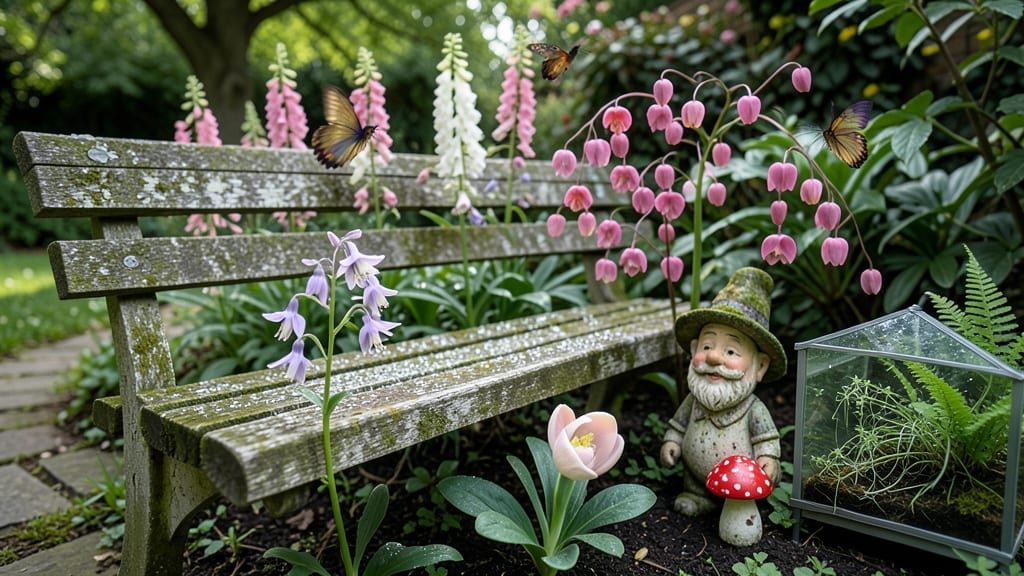
Creating an enchanted garden with colors that feel like a fairy-tale escape isn’t just about beauty—it’s about turning your yard into a buzzing, fluttering paradise for pollinators.
Picture this: deep purples, smoky blues, and velvety blacks don’t just catch the eye—they lure bees, butterflies, and hummingbirds into your space, turning every corner into a thriving ecosystem. These moody palettes aren’t just striking; they’re a game-changer for garden health and vibrancy.
With the right plant combinations, you can craft a year-round display that feels magical while keeping maintenance simple. Whether you’re dreaming of a moonlit cottagecore retreat or a bold fantasy-inspired border, the Enchanted Garden Colors Collection 🌸 makes it easier than ever to blend form and function.
In this guide, I’ll show you how to mix these enchanting hues, pair them with pollinator favorites, and design layouts that stay lush through every season—no green thumb required.
How moody purple and blue palettes attract pollinators to your garden
There’s magic in moody garden colors—deep purples, smoky blues, and velvety indigos—that do more than just please our eyes. These enchanted hues act like invisible neon signs to bees, butterflies, and hummingbirds, luring them into your garden with a promise of nectar and pollen.
The science behind this isn’t just about what we see; it’s about UV patterns and color contrasts that create a visual feast for pollinators.
Bees, for example, see ultraviolet light that makes certain flowers glow like beacons. A lavender bloom might appear purple to us but could look like a UV bullseye to a bee, guiding them straight to the center where nectar hides.
Similarly, deep blue salvias and violet coneflowers create striking contrasts that attract hummingbirds, whose eyes perceive these colors as vibrant signals for food.
The key lies in color combinations that mimic nature’s pollinator magnets. Pairing purple clematis with blue lobelia creates a high-contrast visual that’s irresistible to butterflies. These nectar-rich pairings don’t just look stunning—they ensure your garden stays buzzing with activity all season long.
One of the most fascinating aspects of enchanted garden colors is how they evolved alongside pollinators. Flowers like purple clematis and blue delphiniums have developed UV nectar guides—invisible pathways that lead pollinators directly to their rewards.
When you plant these alongside white or yellow flowers, which also attract pollinators, you create a multi-layered feast that keeps them visiting longer.
For example, bee balm with its hot pink blooms contrasts beautifully with blue salvia, creating a visual buffet that bees can’t resist. The color contrast between these plants signals to pollinators that food is abundant, encouraging them to linger and spread pollen more effectively.
This is why moody palettes aren’t just about aesthetics—they’re about ecosystem functionality.
Don’t overlook the power of foliage colors either. Plants like purple smoke bush or black mondo grass add depth to your garden while providing shelter and nesting sites for pollinators.
Their dark hues create a stunning backdrop that makes bright blooms pop, making your garden even more inviting to visitors like butterflies and bees.
To maximize the pollinator appeal of your enchanted garden colors, focus on layered planting. Place tall plants like delphiniums at the back, mid-height blooms like coneflowers in the middle, and low-growing plants like lobelia in the front.
This creates a visual journey that guides pollinators through your garden, ensuring they explore every corner in search of nectar.
Another pro tip: Deadhead spent blooms regularly to encourage continuous flowering. This keeps your moody palette vibrant and ensures there’s always fresh nectar available for pollinators.
Pair this with seasonal plant rotations—like swapping out summer blooms for fall asters or winter hellebores—to maintain year-round activity in your garden.
Finally, remember that water sources are just as important as colorful blooms. Add a small birdbath or shallow dish filled with pebbles and water to give pollinators a place to hydrate and rest.
When combined with your enchanted garden colors, this creates a true pollinator paradise that thrives all season long.
Your garden doesn’t just need to be beautiful—it needs to be a buzzing, fluttering ecosystem.
By embracing moody purple and blue palettes, you’re not only creating a visual masterpiece but also a functional haven for pollinators that will keep your garden alive with color and activity for years to come. 🌿✨
Top 5 moody plants that double as pollinator magnets
If you're dreaming of a garden that feels like a secret fairy glade, start with plants that combine moody, enchanting colors with serious pollinator power. These five standouts thrive in different climates, require minimal fuss, and will turn your yard into a buzzing, fluttering sanctuary.
The best part? Their deep hues—velvety purples, smoky blues, and near-black foliage—create that magical atmosphere while supporting bees, butterflies, and hummingbirds year-round.
I’ve tested these in my own garden, and they consistently deliver bold color impact with low-maintenance care. Whether you’re in a hot desert zone or a cool mountain climate, these plants adapt beautifully while keeping your pollinator friends well-fed.
Let’s dive into the top five that will make your garden look like it’s straight out of a fantasy novel.
🌿 Enchanted Garden Colors: Moody Plants That Lure Pollinators
- 1. Black Mondo Grass (Ophiopogon planiscapus 'Nigrescens') – A velvety black ground cover that thrives in shade and attracts butterflies with its delicate white blooms. Perfect for borders or spilling over containers.
- 2. Purple Coneflower (Echinacea purpurea) – A pollinator powerhouse with deep magenta blooms that bees adore. Drought-tolerant and long-blooming from summer to fall.
- 3. Deep Blue Salvia (Salvia nemorosa 'May Night') – A smoky blue spire that hummingbirds can’t resist. Thrives in full sun and drought conditions, making it ideal for xeriscaping.
- 4. Russian Sage (Perovskia atriplicifolia) – Silvery-blue airy spikes that bloom from mid-summer to frost. Butterfly magnet and incredibly hardy in USDA zones 5-9.
- 5. Velvet Black Catmint (Nepeta 'Six Hills Giant') – Near-black foliage with lavender-blue flowers that bees swarm. Deer-resistant and perennial in most climates.
Each of these plants adds drama and depth to your garden while ensuring pollinators have a year-round buffet.
My favorite way to showcase these plants is by layering them: tall spires like Russian Sage in the back, mid-height bloomers like purple coneflowers in the middle, and ground covers like black mondo grass up front.
This creates a visual cascade that draws the eye—and pollinators—deeper into your garden. Plus, their contrasting textures (velvety, spiky, or fuzzy) add tactile interest.
For maximum pollinator activity, pair these with nectar-rich companions. For example, plant deep blue salvia near bee balm (Monarda) to extend the blooming season. In my garden, I’ve seen hummingbirds hover over salvia for hours, while bees dart between coneflowers and catmint.
The color contrast makes it easy for pollinators to spot these plants from a distance.
One common mistake I see is assuming moody colors mean high maintenance. These plants prove otherwise—they’re drought-tolerant, deer-resistant, and many are perennials, so you won’t need to replant every year.
For instance, Russian sage thrives on neglect once established, while purple coneflower comes back stronger every spring. Even black mondo grass, which looks dramatic, only needs occasional trimming to stay lush.
To get started, choose one or two plants from this list that match your sunlight and soil conditions. If you’re in a hot, dry climate, focus on salvia and Russian sage. For shadier spots, black mondo grass and catmint are your best bets.
Once they’re planted, sit back and watch your garden transform into a pollinator paradise with enchanted colors that feel like magic. ✨