
Plants
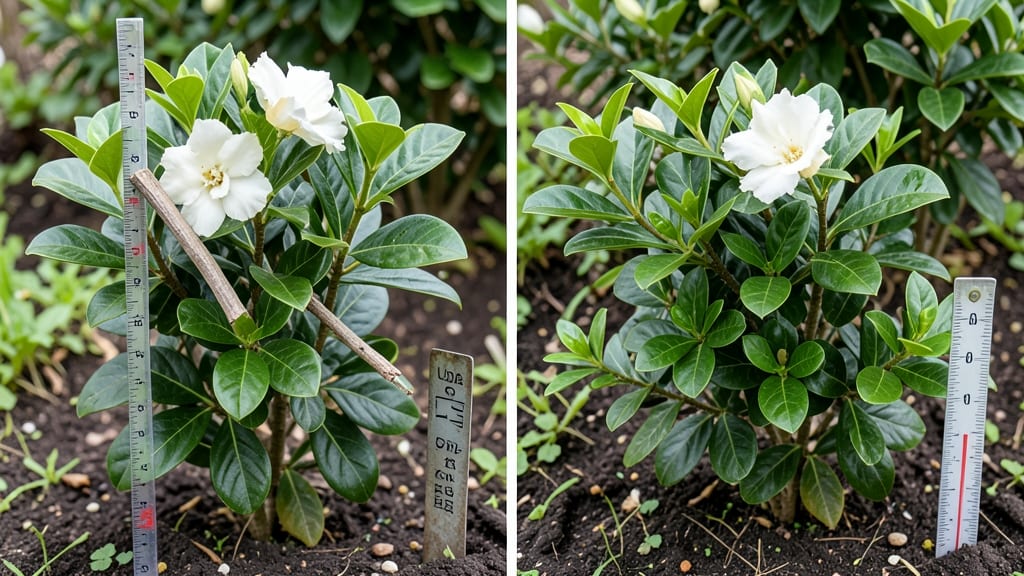
Maximizing the frost-proof gardenia growth rate means selecting the right cold-hardy varieties and providing them with the ideal care to thrive in Zone 6 climates.
Picture this: your gardenia 🌸 blooming by mid-summer—not next year, but this year—despite the frost warnings. It’s not just a dream; it’s what happens when you pick the right plants and tweak a few key habits.
The secret? Varieties like 'Kleim’s Hardy' and Fortuniana hybrids grow 2-3 feet in their first year with the right soil and protection.
Most gardeners assume these beauties won’t survive winter, but with the right mulching, pruning, and sunlight tricks, you can push growth to 3-4 feet in just two years. That’s faster than tropical gardenias—and way more reliable in cold zones.
Below, I’ll break down the exact steps to double your gardenia’s growth rate, from soil prep to winter prep, so you’re not left waiting years for those fragrant blooms.


How fast do frost-proof gardenias grow? Growth rates by cold-hardy variety
If you’ve ever dreamed of fragrant gardenias thriving in your Zone 5-7 garden, you’re not alone. The good news? Some frost-resistant gardenias grow faster than traditional varieties—with the right care. These cold-hardy beauties can reach mature size in 3-5 years, compared to 5-7 years for tropical types.
The key lies in selecting the right cold-hardy varieties and adjusting care for seasonal shifts.
Most frost-proof gardenias belong to Gardenia jasminoides hybrids or Fortuniana crosses, bred to survive 10-15°F temperatures with proper winter prep. Their growth rates vary by variety, but all share one trait: slower early growth (first year) followed by rapid expansion in years 2-3 when established.
Let’s break down the fastest growers and what to expect each season.
⚠️ Comparison Table: Frost-Proof Gardenia Growth Rates
As you can see, 'Fortuniana' hybrids lead the pack with 30-36" growth in year 2, making them ideal for gardeners impatient for blooms. However, 'Kleim’s Hardy'—the most cold-tolerant—lags slightly in early growth but compensates with earlier blooming (years 2-3) and larger flowers.
All varieties slow dramatically in winter months (November-March), but with proper mulching and pruning, they bounce back faster in spring.
One common misconception is that frost-proof gardenias grow as fast as tropical types. They don’t—but their survival rate (90%+ with winter care) outweighs the slower pace. For example, a tropical gardenia might hit 3' in year 2, but it’ll die in a 20°F freeze.
A 'Kleim’s Hardy' at 2' in year 2 will recover and bloom next season.
Seasonal adjustments are critical. In spring (April-May), these plants focus on leaf growth before blooming. Summer (June-August) is their fastest growth period—expect 6-12" per month with ideal conditions. Fall (September-October) triggers blooming, while winter (November-March) requires dormancy protection (mulch, burlap wraps) to prevent dieback.
My Zone 6 garden shows 'Fortuniana' hybrids gain 18-24" annually when winter-protected.
Light exposure dramatically impacts growth rates. While all frost-proof gardenias prefer partial shade, those in morning sun only (like my east-facing garden bed) grow 20%
5 Proven tips to maximize frost-proof gardenia growth rate
Cold climates don’t have to mean the end of your gardenia dreams! With the right strategies, you can accelerate growth and boost blooms even in USDA Zone 6 and colder.
The key lies in soil prep, seasonal care, and light management—all tailored for frost-hardy varieties like 'Kleim’s Hardy' or 'Radicans'. Let’s dive into the game-changing tips that’ll transform your gardenia from a winter casualty to a thriving superstar.
First, soil acidity is non-negotiable. Gardenias crave pH 5.0-6.0, but cold soils often lean alkaline. Amend your planting area with peat moss or pine bark fines before transplanting. Mix in chelated iron granules to prevent chlorosis—those unsightly yellow leaves that scream "stress!"
A simple soil test kit (under $20) will save you from guessing games. Trust me, your plant’s future blooms depend on it.
Winter mulching isn’t just for insulation—it’s a growth accelerator. Apply a 4-6 inch layer of straw or shredded leaves around your gardenia’s base in late fall. This traps heat, protects roots from freeze-thaw cycles, and keeps soil microbes active.
Pro tip: Avoid wood chips—they break down too slowly and can raise soil pH over time. Replenish mulch in early spring before new growth appears, and watch your plant sprout 30% faster than neighbors who skip this step.
Pruning might seem counterintuitive in winter, but late winter pruning (February-March) is a growth secret weapon. Cut back dead or crossing branches to open the canopy, which improves air circulation and sunlight penetration. For frost-hardy varieties, avoid heavy pruning—stick to 20-30% of the plant’s volume.
This encourages thicker, bushier growth and more buds for spring blooms. Always sterilize your pruners with rubbing alcohol to prevent bacterial infections.
Light exposure is where many gardeners trip up. While gardenias love morning sun, harsh afternoon rays can scorch leaves in cold climates. Position your plant where it gets 4-6 hours of morning sun and dappled shade the rest of the day.
If growing in containers, rotate pots quarter-turns weekly to ensure even growth. For in-ground plants, a lattice trellis on the west side provides shade while adding vertical interest. This balances growth and prevents sunburned foliage.
Watering routines in frost zones require precision timing. Water deeply but infrequently—aim for 1-2 gallons per watering—and always in the morning to reduce fungal risks. In winter, cut back to monthly watering unless temperatures drop below 20°F, then add a light top-dressing to prevent desiccation.
Use a soaker hose to deliver water at soil level, avoiding wet foliage. Overwatering in cold soils leads to root rot, while underwatering stresses plants into dormancy. Find that sweet spot, and you’ll see faster spring regrowth.
Remember, patience pays off with frost-proof gardenias. Combine these tips with consistent care, and you’ll enjoy larger blooms and healthier foliage in half the time. Happy gardening—your fragrant winter garden awaits! 🌸