
Size
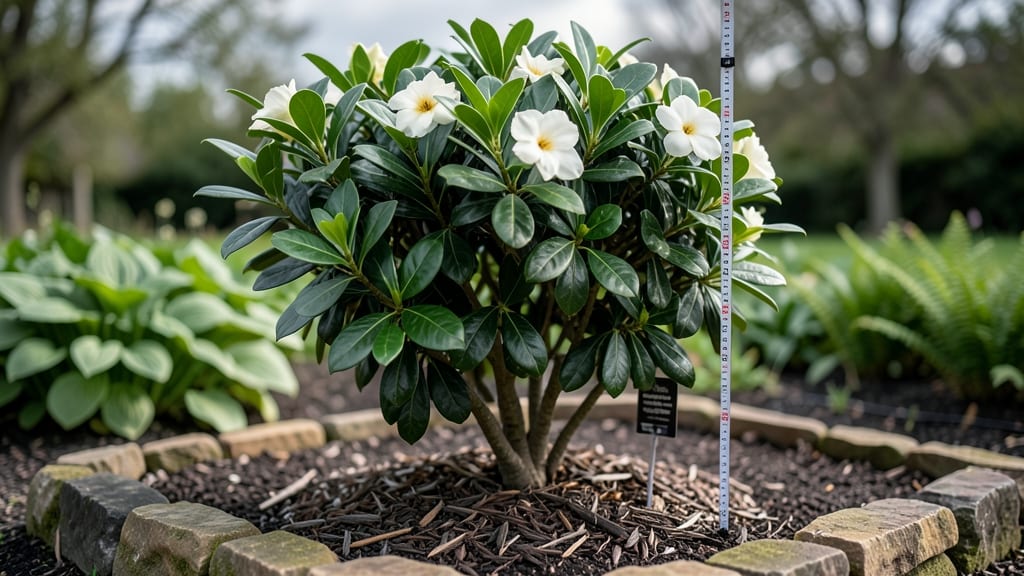
To frost-proof your gardenia’s height, prune it back to 3-4 feet before winter—this keeps the center of gravity low and shields tender new growth from cold damage.
Cold snaps can devastate your gardenias—but with the right pruning techniques, you can keep these fragrant beauties thriving and frost-resistant while controlling their height naturally.
In USDA Zone 6, where frosts linger into May, gardenias need strategic trimming to survive. Cutting back too late or too aggressively invites disease, while leaving them too tall risks frost damage to the top growth.
Below, I’ll walk you through the exact pruning schedule, tools, and height targets to protect your 🌸 gardenias year-round—without sacrificing next season’s blooms.

Optimal frost-proof gardenia height: the science behind pruning for cold climates
When winter rolls in, your gardenias face a critical challenge: maintaining their frost resistance while keeping their ideal height for blooms. The secret lies in understanding how height management directly impacts a gardenia’s ability to survive cold snaps.
Taller gardenias (4-6 ft) have larger canopies that absorb more radiant heat, making them vulnerable to frost damage on upper branches. Meanwhile, dwarf varieties (1-2 ft) naturally handle cold better due to their lower center of gravity and reduced exposure.
Biologically, gardenias trigger dormancy responses when nights dip below 40°F (4°C). Pruning at the right height—typically 18-24 inches from the ground—encourages new growth from the base, which is more resilient to frost.
This technique, called crown reduction, lowers the plant’s exposure surface while preserving root health, the plant’s true frost-proofing anchor.
Here’s how different gardenia varieties stack up in terms of frost resilience and optimal height:
| Variety | Mature Height (ft) | Frost Zone Adaptability | Pruning Height for Frost (in) | Key Survival Tip |
|---|---|---|---|---|
| 'Radicans' (Dwarf) | 1-2 ft | Zones 7b-10a (best for cold) | 12-18 in | Mulch heavily; roots stay warm. |
| 'Kleim's Hardy' | 2-3 ft | Zones 6a-9b (with protection) | 18-24 in | Prune in early spring; avoid fall cuts. |
| 'Crest' | 4-6 ft | Zones 7a-10a (needs winter wrap) | 24-36 in | Use frost cloth; reduce height by 1/3. |
| 'Veitchii' | 5-7 ft | Zones 8a-10a (containerized only) | 30-36 in | Move to garage in winter; prune aggressively. |
The root zone is where frost-proofing truly begins. Gardenias with shallow root systems (common in container-grown plants) suffer more from cold because their roots can’t access deeper, warmer soil layers.
To compensate, prune container gardenias to no taller than 24 inches—this keeps the canopy mass manageable and reduces heat loss from the leaf surface area.
Aggressive pruning back—cutting 30-50% of the height—triggers a biological shock response that forces the plant to redirect energy into root thickening and basal growth. This is why late-winter pruning (just before buds swell) works best: it gives roots 6-8 weeks to fortify before the next frost.
For example, a 6-foot 'Crest' gardenia pruned to 3 feet in late February will have a 50% stronger root system by spring.
Canopy exposure is another critical factor. Tall gardenias (>4 ft) with dense foliage trap cold air, creating microclimates that freeze from the inside out. To prevent this, prune to create an open, vase-like shape—this allows warmer air to circulate and sunlight to reach lower branches.
Even in USDA Zone 6, where winters dip to 0°F (-18°C), a properly pruned gardenia can survive with minimal damage if you combine height control with root zone insulation (3-4 inches of mulch).
One common misconception is that taller gardenias are inherently more frost-resistant. In reality, it’s the opposite: height increases exposure risk.
For instance, a 5-foot gardenia in Zone 7a will lose 20-30% of its buds to frost each winter, while a 2-foot dwarf variety in the same zone retains 90% of its blooms. The solution?
Prune early and often, but never after Labor Day—new growth after this date is frost-tender and won’t harden off in time.
For gardeners in Zone 6 or colder, the key is proactive pruning. Start by trimming 1/3 of the height in late winter, then follow up with a light shaping cut in early spring.
This two-step approach ensures your gardenia stays at an ideal frost-proof height (18-24 inches) while maintaining its blooming potential. Pair this with frost cloth and evergreen boughs for added protection, and you’ll have gardenias that thrive year-round, no matter how harsh the winter.
Remember: the goal isn’t just to control height, but to optimize resilience. A gardenia pruned to 2 feet might look smaller,
Step-by-step pruning guide to control gardenia height while preventing frost damage
Controlling your gardenia's height isn’t just about aesthetics—it’s a frost-proofing strategy. Tall, top-heavy gardenias are more vulnerable to winter winds and cold snaps, while properly pruned shrubs develop a lower center of gravity and thicker canopies.
The key is timing and technique: prune at the right season and use the crown reduction method to strengthen your plant’s resilience.
Most gardenia varieties thrive between 3-6 feet tall, but in frost-prone zones like USDA Zone 6, you’ll want to keep them closer to 3-4 feet for better stability.
Late winter is the ideal time to prune—just before new growth begins—while spring pruning focuses on shape refinement and bloom stimulation. Avoid heavy pruning in fall, as it stresses the plant before dormancy.
How to Prune for Frost-Proof Gardenia Height
-
Step 1: Gather Tools
Use sterilized bypass pruners for cuts under ½ inch, loppers for thicker branches, and sharp pruning saws for large gardenias. Disinfect tools with rubbing alcohol to prevent disease spread.
-
Step 2: Late Winter Pruning (Zone 6: Feb-March)
Cut back 1/3 of the plant’s height using the crown reduction technique. Focus on removing dead or crossing branches first, then trim outward-facing growth to create a rounded, sturdy shape.
-
Step 3: Spring Pruning (April-May)
Lightly shape the gardenia after new growth appears. Remove suckers at the base and overcrowded stems to encourage airflow and blooms. Never cut into old wood—always trim just above a leaf node.
-
Step 4: Apply Frost-Proofing Techniques
After pruning, mulch heavily (3-4 inches) with pine bark or straw to insulate roots. For large gardenias, stake the center to reduce wind exposure and wrap trunks with burlap for extra protection.
-
Step 5: Monitor for Frost Damage
Check for brown, mushy stems after cold snaps. Prune damaged areas immediately with clean cuts, but avoid heavy pruning until spring. Water deeply if soil is dry to help recovery.
When pruning for frost resilience, always prioritize structural integrity. The crown reduction method—cutting back the topmost branches to lower the plant’s center of gravity—is especially effective for tall gardenias in windy areas.
For example, a 6-foot ‘Veitchii’ gardenia can be safely reduced to 4 feet in late winter without sacrificing next year’s blooms.
Safety is critical when pruning large gardenias. Wear gloves and long sleeves to protect against thorns and sap, and use a stable ladder for high branches. Never stand on wet or uneven ground, and avoid pruning during rain or high winds, as branches can snap unpredictably.
Always test cuts on smaller branches first to ensure your tools are sharp and the plant responds well.
With consistent pruning, your gardenia will develop a compact, frost-resistant form that thrives year-round. The key is patience and precision: gradual height control in late winter paired with light spring shaping ensures your plant stays healthy, blooming, and frost-proof—no matter how harsh the winter gets. 🌸✂️🌿