
Size
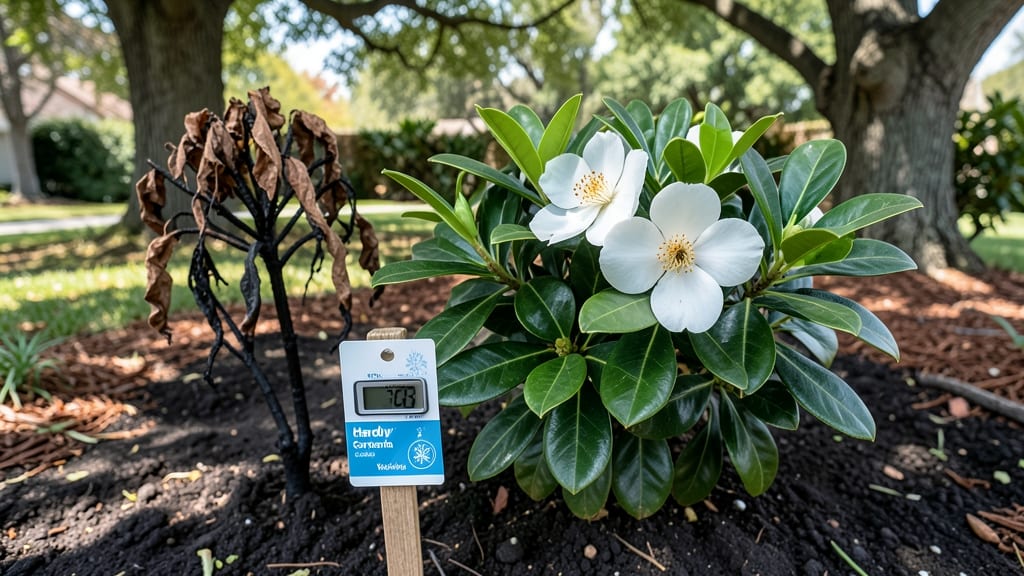
Choosing the right frost-proof gardenia size is the key to keeping your 🌸 thriving through winter’s chill without the heartache of frost damage.
Picture this: you’ve spent months nurturing your gardenia, only for a surprise freeze to turn its glossy leaves brown overnight. The difference between a dwarf variety and a standard one isn’t just height—it’s how well they handle cold snaps.
Smaller gardenias like ‘Kleim’s Hardy’ can shrug off temps down to 15°F, while taller ones need extra protection.
But size matters beyond just cold tolerance. A 2-foot dwarf fits snugly in containers or small gardens, while a 6-foot standard needs room to sprawl—and both require different winter prep.
Whether you’re dealing with a Zone 9b garden or pushing your luck in cooler areas, the right variety and care routine can mean the difference between a gardenia that survives and one that thrives.
Here’s how to pick the perfect frost-proof size for your climate, plus the proactive steps to keep it blooming year after year, no matter what winter throws your way.


Best frost-proof gardenia sizes for cold climates: varieties that thrive below 20°F
Cold winters shouldn’t stop you from growing fragrant gardenia shrubs! With the right frost-proof gardenia sizes and varieties, you can enjoy their creamy blooms and sweet scent even in USDA Zones 7-9.
The key is selecting cold-hardy types that tolerate 20°F temperatures while matching your garden’s space. Let’s explore the best options!
Not all gardenias handle frost equally. Dwarf varieties like Gardenia jasminoides 'Kleim’s Hardy' reach just 2-3 feet tall but survive -10°F with proper care. Meanwhile, standard sizes (4-6 feet) like Gardenia augusta 'Radicans' need extra winter protection. Your choice depends on both cold tolerance and garden layout.
| Variety | Size (Mature Height) | Cold Hardiness (USDA Zone) | Key Features |
|---|---|---|---|
| Gardenia jasminoides 'Kleim’s Hardy' | 2-3 ft (Dwarf) | 7-9 (-10°F) | Compact, fragrant blooms, low-maintenance |
| Gardenia augusta 'Radicans' | 4-6 ft (Standard) | 7-9 (-10°F) | Vining habit, large flowers, needs support |
| Gardenia jasminoides 'Veitchii' | 3-5 ft (Semi-Dwarf) | 8-9 (10°F) | Double blooms, slower growth, mildew-resistant |
| Gardenia jasminoides 'Fortuniana' | 3-4 ft (Semi-Dwarf) | 7-9 (-10°F) | Early bloomer, glossy foliage, deer-resistant |
The dwarf gardenia sizes (2-3 feet) are ideal for containers or small gardens, while standard varieties (4-6 feet) make stunning privacy screens or focal points. For example, Kleim’s Hardy thrives in Zone 7 with minimal winter care, making it perfect for urban balconies or patio planters.
If you’re in Zone 8 or 9, semi-dwarf options like Veitchii offer a balance—3-5 feet tall with larger blooms than dwarf types. These varieties also handle brief cold snaps better than traditional gardenias, which typically die back below 25°F.
Always check your microclimate—south-facing walls or mulched beds can add 5-10°F protection.
For container gardening, dwarf varieties excel because their shallow root systems fit pots easily. Use 15-20 gallon containers with drainage holes and move them to protected areas before winter. Standard sizes need in-ground planting with 3-4 feet of space for root spread—critical for cold resilience.
Pro tip: Prune frost-damaged branches in early spring to encourage new growth. Cut back to healthy buds or leaf nodes, and avoid heavy pruning in fall, which can stress cold-sensitive varieties. Always use sterilized shears to prevent disease spread.
Mulching is non-negotiable for frost-proof gardenias. Apply 3-4 inches of organic mulch (like pine bark or straw) around the base in late fall. This insulates roots and maintains soil temperature—critical when temps drop below 20°F.
For extra protection, wrap young plants in burlap or use frost blankets.
Don’t overlook acidic soil—gardenia roots thrive in pH 5.0-6.0. Amend your soil with peat moss or sulfur before planting, and feed with azalea fertilizer in spring. This boosts cold tolerance and ensures vibrant blooms the following season.
Ready to grow? Start with Kleim’s Hardy for small spaces or Radicans for vertical interest. With the right frost-proof gardenia size and care, you’ll enjoy their sweet fragrance year after year—no matter how harsh your winter gets! 🌸
How to choose the right frost-proof gardenia size for your garden layout
Choosing the perfect frost-proof gardenia size isn't just about aesthetics—it's about survival. In colder climates, even the hardiest varieties need the right space to thrive. Dwarf varieties like 'Kleim's Hardy' stay compact (1-2 feet), while standard gardenias reach 4-6 feet.
Your garden layout will dictate which size works best for your space and winter protection needs.
For container gardening, opt for dwarf or semi-dwarf varieties—they handle pot confinement better and can be moved indoors during extreme cold snaps. Larger shrubs need permanent ground space and may require mulching or winter wraps to protect their root systems. Always consider your USDA hardiness zone when selecting size.
Here’s how to match gardenia size to your garden’s unique needs:
-
🌱 Small Spaces (Urban Gardens, Patios)
Choose dwarf varieties (1-2 ft) like 'Kleim's Hardy' or 'Radicans'. Perfect for containers or tight garden beds. -
🌿 Medium Gardens (Backyards, Borders)
Semi-dwarf (2-4 ft) varieties like 'Veitchii' fit well in mixed shrub beds. Allow 3-4 feet of clearance for airflow. -
🌳 Large Landscapes (Foundation Plantings, Privacy Screens)
Standard varieties (4-6 ft) thrive here but need winter protection in zones below 7b. Prune annually to control height. -
✂️ Pruning for Cold Resilience
Lightly prune in late winter to remove deadwood. Avoid heavy cuts—this stresses plants before winter. Focus on air circulation to prevent frost pockets. -
🪴 Container Considerations
Use 10-15 gallon pots for dwarf varieties. Elevate pots to prevent root rot in winter. Dwarf gardenias in containers can survive 20°F with proper insulation.
When planning your layout, group frost-proof gardenias with other cold-hardy plants like camellias or hydrangeas to create a protective microclimate. Place them near south-facing walls or under evergreen trees to shield them from harsh winds. This natural barrier can raise soil temperatures by 5-10°F during freezes.
Don’t forget that pruning for size control also improves frost resilience. Overgrown gardenias struggle to recover from winter damage. Prune 1/3 of the plant in early spring to encourage dense, bushy growth—this makes them more compact and easier to protect during cold snaps.
Always use sterilized shears to prevent disease spread.
For container gardeners, choose varieties bred for cold tolerance like 'Radicans'—they handle pot life better than traditional gardenias. Add 3 inches of mulch around the base before winter to insulate roots. Move pots to a garage or sheltered porch if temperatures drop below 15°F.