
Pruning
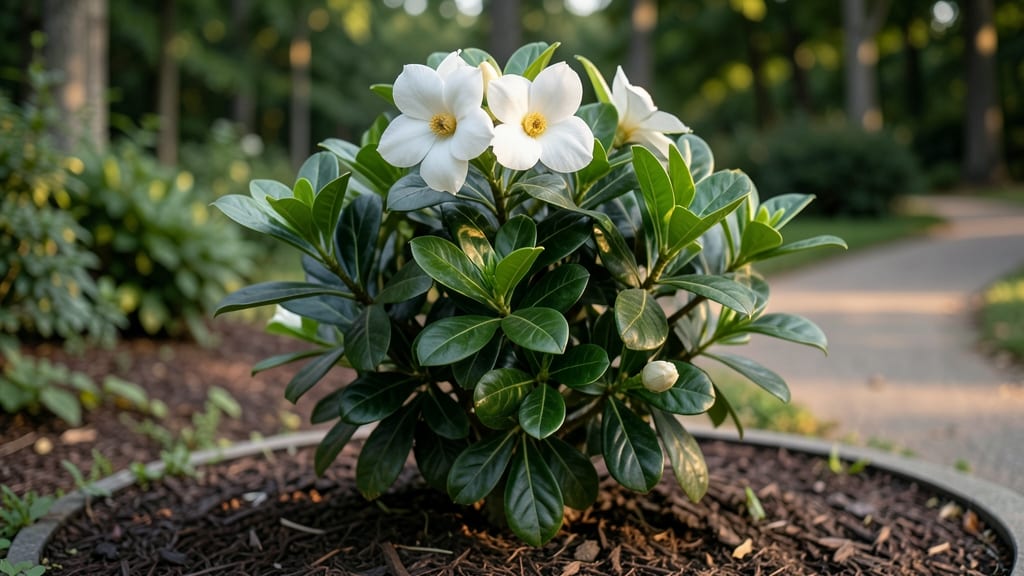
A gardenia tree size can vary dramatically—from 6 to 15 feet tall at maturity, depending on the variety and growing conditions—which means your backyard layout may need a bigger plan than you think.
If you’re dreaming of fragrant white blooms but wondering whether a gardenia tree will dwarf your backyard or thrive in a container, understanding its growth patterns is key.
Planting too close can mean stunted blooms, while spacing too far wastes space. The right location makes all the difference for a healthy, vibrant 🌸 gardenia tree.
Standard varieties reach 8 to 15 feet in height, while dwarf types stay compact at 3 to 5 feet. Growth rates vary, but most gardenias add 1 to 2 feet per year under ideal conditions.
Sunlight, pruning, and soil quality all play a role in how big (or small) your gardenia will become.
In this guide, I’ll break down everything you need to know about gardenia tree size, from spacing tips to pruning tricks, so you can place yours perfectly for maximum blooms and minimal headaches.


How tall and wide gardenia trees grow: size expectations by variety
If you’ve fallen in love with the intoxicating scent of gardenias but are hesitant to plant one, size concerns are likely holding you back. Gardenia trees vary dramatically in height and spread, from compact dwarf varieties perfect for containers to towering standard trees that become backyard focal points.
Knowing these dimensions upfront helps you plan for optimal spacing and avoid overcrowding, which can reduce blooms and invite pests.
Most gardenia trees reach maturity between 3 to 15 feet tall, with widths ranging from 3 to 10 feet wide. Their growth rate depends on sunlight exposure, soil acidity, and pruning habits.
For example, a climbing gardenia like Gardenia jasminoides ‘Kleim’s Hardy’ can stretch up to 12 feet tall if given a trellis, while dwarf varieties like ‘Radicans’ stay under 5 feet—ideal for small patios or balconies.
Understanding these size expectations is crucial because gardenias thrive when they have enough air circulation and root space. Planting too close can lead to fungal diseases like powdery mildew, while giving them too much room may result in sparse blooming.
Below, I’ve broken down the most popular gardenia varieties by their mature size, growth habits, and sunlight needs to help you choose the perfect fit for your space.
| Variety | Mature Height | Mature Width | Growth Rate | Sunlight Needs | Best For |
|---|---|---|---|---|---|
| Standard Gardenia (Gardenia jasminoides) | 8–15 ft | 6–10 ft | 1–2 ft/year | Partial shade (4–6 hrs) | Backyard borders, privacy screens |
| Dwarf Gardenia (Radicans) | 3–5 ft | 3–5 ft | 6–12 in/year | Partial shade (3–4 hrs) | Containers, small patios, windowsills |
| Climbing Gardenia (Kleim’s Hardy) | Up to 12 ft (with support) | 3–6 ft (spread) | 1–1.5 ft/year | Partial shade (5–6 hrs) | Arbors, trellises, pergolas |
| Semi-Dwarf Gardenia (Fortuniana) | 5–8 ft | 4–6 ft | 8–12 in/year | Partial shade (4 hrs) | Medium-sized gardens, hedges |
Sunlight plays a huge role in determining how large your gardenia grows. While gardenias love bright, indirect light, too much direct afternoon sun can scorch leaves and stunt growth. In full sun conditions (6+ hours), standard varieties may grow 20–30% taller but require more frequent pruning to maintain shape.
Conversely, dwarf varieties in low light (under 3 hours) may stay compact but produce fewer blooms.
For example, my ‘Radicans’ gardenia in a 5-gallon container on a south-facing balcony grows only 4 feet tall because it receives morning sun and afternoon shade. However, the same variety planted in my backyard garden bed with dappled sunlight reaches 5 feet tall and blooms prolifically.
This shows how environmental factors can influence size—something to keep in mind when selecting a spot.
If you’re growing gardenias in containers, size control becomes even easier. Root-bound plants grow slower, so prune regularly to encourage bushiness and prevent legginess. I recommend using acidic potting mix (pH 5.0–6.5) and a 15-gallon pot for dwarf varieties to give roots room to expand without becoming root-bound.
For standard gardenias, a 25-gallon pot is ideal if you plan to keep them in containers long-term
Proper spacing for gardenia trees: how close can you plant them?
Gardenia trees thrive when given the right space to spread their roots and branches. Standard varieties need 5–10 feet between plants to prevent root competition, while dwarf gardenias can handle 3–5 feet of spacing.
Proper spacing isn’t just about aesthetics—it’s about airflow and bloom production. Crowded plants struggle to develop strong stems, leading to fewer fragrant blooms and more pest issues.
If you’re working with limited space, consider container gardening. Dwarf varieties like 'Radicans' or 'Kleim's Hardy' adapt well to pots, but ensure the container is at least 18–24 inches wide to accommodate their root systems.
Containers also allow you to move plants to sunnier spots as needed, which gardenias love.
Pros and Cons of Gardenia Tree Spacing
✅ Pros
- Better airflow reduces fungal diseases
- More blooms due to less competition
- Easier maintenance (pruning, fertilizing)
- Healthier roots prevent root rot
❌ Cons
- Wasted space if planted too far apart
- Slower growth in crowded conditions
- Harder to create privacy screens with wide spacing
- More wind damage to exposed branches
For in-ground planting, mulch around the base of your gardenia to retain moisture and suppress weeds. A 3-inch layer of organic mulch (like pine bark) also helps regulate soil temperature, which is crucial for these tropical-looking plants.
Avoid piling mulch directly against the trunk, though—keep it 2–3 inches away to prevent rot.
If you’re planting gardenias near other shrubs or trees, choose companions that tolerate partial shade, like camellias or azaleas. These plants share similar soil and light preferences, creating a harmonious garden bed.
Just avoid planting near fast-growing trees, which can steal nutrients and shade out your gardenias over time.
For container gardeners, select a pot with drainage holes and use a well-draining potting mix blended with perlite or orchid bark. Repot every 2–3 years to refresh the soil, as gardenias are heavy feeders.
In containers, they’ll grow 1–2 feet shorter than their in-ground counterparts, making them perfect for patios or balconies.
Remember, pruning in late winter helps control the size of your gardenia and encourages bushier growth. Cut back 1/3 of the oldest stems to rejuvenate the plant and promote new blooms. This also gives you a chance to adjust spacing if your gardenia has outgrown its spot.