
Shrubs
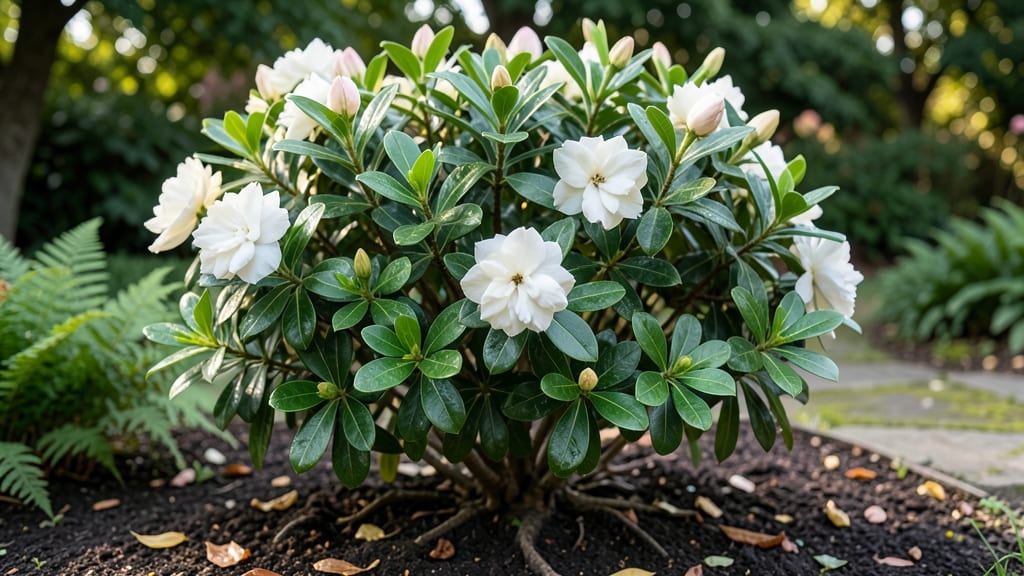
A full-grown gardenia bush 🌸 reaches 4 to 6 feet tall with glossy, dark green leaves and clusters of creamy-white, intoxicatingly fragrant blooms that can fill your garden with summer perfume.
Imagine stepping outside to the intoxicating scent of blooming gardenias—year after year—without the guesswork. A full-grown gardenia bush thrives on precision care, and mastering its pruning and maintenance is the secret to lush, fragrant foliage that keeps giving.
These shrubs aren't just pretty—they're low-maintenance once established, but they do demand the right conditions: acidic soil, partial shade, and consistent moisture. Get these basics right, and you'll enjoy abundant blooms from spring through fall, with minimal effort.
In this guide, I’ll walk you through everything from pruning for shape and health to seasonal care tips that keep your gardenia looking its best. Whether you're dealing with leggy growth or sparse flowers, you’ll find the fixes you need right here.
How to prune a full-grown gardenia bush for maximum blooms
A full-grown gardenia bush can reach 4-6 feet tall with glossy, dark green leaves and highly fragrant white blooms. Pruning isn't just about shaping—it's about encouraging more flowers, improving airflow, and preventing disease.
When done right, your gardenia will reward you with year-round fragrance and lush foliage. The key is timing, technique, and knowing what to avoid.
Most gardeners make the mistake of pruning at the wrong time of year or using dull, dirty tools, which can stress the plant. I’ve learned that late winter or early spring is the best window—just as new growth begins.
This ensures your gardenia has plenty of energy to bloom abundantly during its peak season. Let’s break this down into clear, actionable steps so you can prune like a pro.
Step-by-Step Pruning Guide for Full-Grown Gardenia Bushes
-
Step 1: Gather the Right Tools
Use clean, sharp pruning shears (sterilized with rubbing alcohol) and bypass pruners for larger branches. Avoid hedge trimmers—they can tear the bark and invite disease. -
Step 2: Choose the Best Time
Prune in late winter (February) or early spring (March), just before new growth appears. Avoid pruning in fall or winter, as this can stunt flowering for the next season. -
Step 3: Remove Dead or Diseased Branches
Start by cutting out dead, damaged, or diseased wood at the base of the plant. Look for blackened stems or mushy spots—these are red flags. Dispose of these clippings away from your garden to prevent spreading disease. -
Step 4: Thin Out Crowded Branches
Focus on removing 1/3 of the oldest wood to open up the center of the bush. This improves air circulation and reduces humidity-related diseases. Aim to keep the youngest, healthiest branches for future growth. -
Step 5: Shape Lightly for Balance
Lightly trim overgrown branches to maintain a rounded, natural shape. Avoid heavy pruning—this can reduce blooming. Use your shears at a 45-degree angle, just above a leaf node or bud. -
Step 6: Clean Up and Sterilize
After pruning, sterilize your tools again with rubbing alcohol. Rake up and dispose of all clippings to keep your garden disease-free. Finish by applying a layer of mulch around the base to retain moisture and protect roots.
One of the biggest mistakes I see gardeners make is pruning too aggressively to encourage bushier growth. Gardenias bloom on old wood, so heavy pruning can actually reduce next year’s flowers.
Instead, focus on selective thinning and removing only the necessary branches. This approach keeps your gardenia healthy, fragrant, and full of blooms.
After pruning, your gardenia will need extra care to recover. Water deeply (1-2 gallons per plant) and fertilize lightly with an acid-loving plant food to support new growth. Avoid over-fertilizing, as this can burn roots and stress the plant.
Keep an eye out for new buds forming—this is a sign your pruning was successful!
If your gardenia isn’t blooming as much as you’d like after pruning, it might need more sunlight. Gardenias thrive in partial shade but require morning sun to stimulate flowering.
If your plant is in deep shade, consider relocating it to a sunnier spot for better results. Pair this with consistent watering and acidic soil (pH 5.0-6.5) for optimal growth.
Finally, seasonal pruning is key. While late winter/early spring is the main pruning time, you can also do a light cleanup after the first flush of blooms (around June) to shape and encourage a second bloom cycle.
Just remember: never prune in fall, as this can weaken the plant before winter dormancy.
With these steps, your full-grown gardenia bush will stay healthy, fragrant, and beautiful for years to come. The sweet scent alone makes the effort worth it—plus, you’ll have a showstopper shrub that’s the envy of the neighborhood. Happy pruning!
Year-round care tips for a thriving full-grown gardenia bush
A full-grown gardenia bush rewards dedicated care with glossy leaves and intoxicating blooms year-round. To keep yours thriving, focus on seasonal adjustments that address its core needs: acidic soil, consistent moisture, and balanced sunlight.
Each season brings unique challenges, from summer heat stress to winter dormancy, so let’s break down the essentials for vibrant growth and abundant fragrance.
Your gardenia’s soil pH and nutrient balance are critical—aim for 5.0-6.5 pH and enrich with organic matter like compost or peat moss.
In spring and summer, feed with a balanced fertilizer (10-10-10) every 4-6 weeks, but reduce feeding in fall and winter to match its slower growth. Mulching with pine bark helps retain moisture and acidity, while also suppressing weeds.
| Season | Soil Care | Watering | Sunlight | Fertilizing |
|---|---|---|---|---|
| Spring | Test pH; amend with sulfur if needed | Deep water 2-3x/week | Morning sun, afternoon shade | Light feed every 6 weeks |
| Summer | Mulch with pine bark (2-3 inches) | Daily deep watering (1-2 gallons) | Partial shade; protect from heat | Monthly balanced fertilizer |
| Fall | Add compost; reduce watering | Weekly deep soak | Bright indirect light | No fertilization |
| Winter | Protect roots with mulch | Bi-weekly watering | South-facing window or shade | Dormant; no feeding |
Watering your full-grown gardenia bush requires precision—deep, infrequent watering encourages strong root growth. In summer heat, water daily in the morning to prevent stress, while winter watering should drop to bi-weekly to avoid soggy roots.
Always check the top 2 inches of soil; if dry, it’s time to water. Yellowing leaves often signal overwatering, while drooping buds may mean underwatering.
Sunlight is another critical factor—gardenias thrive in morning sun and afternoon shade. Too much direct afternoon sun can scorch leaves, while insufficient light leads to sparse blooms.
If growing indoors, place near an east-facing window or under grow lights for 4-6 hours daily. Outdoor plants should avoid harsh midday rays, especially in USDA Zones 8-10.
Pest control is easier with prevention. Scale insects and spider mites are common threats, so inspect leaves weekly for sticky residue or webbing.
Treat infestations with neem oil or insecticidal soap, applying in the early morning for best results. Birds and deer may also target gardenias, so use physical barriers like netting if needed. Regular pruning improves airflow, reducing disease risk.
For winter protection, wrap the base of your gardenia with burlap or frost cloth in USDA Zones 7 and below.
Prune lightly in late winter to remove dead wood, but avoid heavy cuts that stimulate new growth too early. Evergreen varieties may need extra mulch to insulate roots, while semi-deciduous types can lose some leaves—don’t panic, this is normal.
With these seasonal adjustments, your gardenia will reward you with fragrant blooms and glossy foliage all year.