
Tools
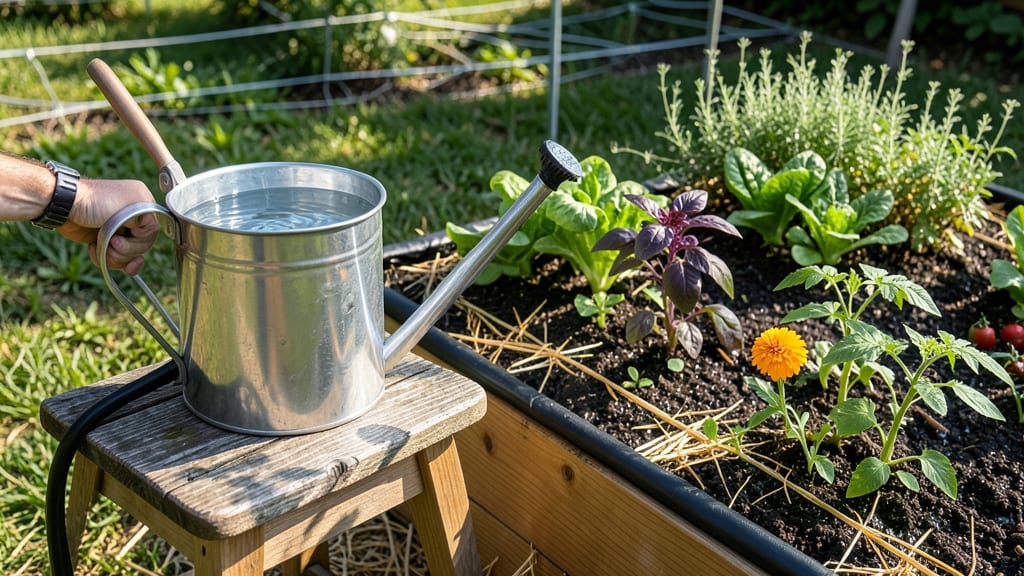
Watering your garden bed properly is the difference between lush, productive plants and wasted effort—and most gardeners get it wrong.
Overwatering wastes precious resources and drowns roots, while underwatering stunts growth. But here’s the kicker: even well-meaning gardeners often water at the wrong time or depth, leaving plants stressed and soil compacted.
The key? A science-backed schedule that keeps roots healthy, cuts water waste by 40%+, and adapts to your plants’ needs.
Morning watering keeps foliage dry, while deep soaks encourage strong roots. Mulch locks in moisture, and tools like drip irrigation make it effortless. Whether you’re growing veggies, herbs, or flowers, these simple adjustments will transform your garden bed from guesswork to thriving greenery.
Ready to master the art of watering? I’ll walk you through the exact timing, soil checks, and zero-waste hacks that keep your garden bed efficient, healthy, and sustainable—no more over- or underwatering, just perfect hydration every time.
The perfect watering schedule for garden beds by plant type
Watering your garden bed isn't just about keeping plants alive—it's about maximizing root health and preventing waste. Most gardeners either drown their plants or leave them thirsty, but the key lies in timing and depth.
Morning watering reduces evaporation and fungal risks, while deep soaks encourage strong root systems. Let's dive into the science-backed schedule tailored to your garden's most common plants.
Your garden bed likely contains a mix of vegetables, flowers, and herbs, each with unique water needs. For example, leafy greens like lettuce need consistent moisture, while drought-tolerant plants like lavender thrive with less.
Understanding these differences can cut your water use by up to 40% while boosting yields. The secret? Deep watering that reaches 6-12 inches below soil level, depending on the plant type.
| Plant Type | Water Frequency | Best Time | Depth | Notes |
|---|---|---|---|---|
| Vegetables (tomatoes, peppers, cucumbers) | Every 2-3 days (summer), 3-5 days (spring/fall) | Morning (6-9 AM) | 8-12 inches | Deep roots need consistent moisture |
| Leafy Greens (lettuce, spinach, kale) | Daily (summer), every 2 days (spring/fall) | Evening (before sunset) | 4-6 inches | Shallow roots; keep soil evenly moist |
| Herbs (basil, parsley, cilantro) | Every 2-3 days (summer), 3-4 days (spring/fall) | Morning (6-9 AM) | 4-6 inches | Avoid soggy soil; herbs hate wet feet |
| Flowers (roses, petunias, marigolds) | Every 3-5 days (summer), weekly (spring/fall) | Morning (6-9 AM) | 6-8 inches | Drought-tolerant varieties need less |
| Drought-Tolerant (lavender, succulents, oregano) | Every 7-10 days (summer), bi-weekly (spring/fall) | Morning (6-9 AM) | 4-6 inches | Overwatering kills these plants faster |
Morning watering is my top recommendation for most garden beds because it allows foliage to dry quickly, reducing fungal diseases like powdery mildew. Watering in the early morning (6-9 AM) also minimizes evaporation losses, so you're not wasting water.
However, leafy greens like lettuce and spinach benefit from evening watering to keep their shallow roots consistently moist during hot days.
Deep watering isn't just about pouring more water—it's about targeting root zones. For tomatoes and peppers, aim for 8-12 inches deep to encourage strong root systems. Use a soaker hose or drip irrigation to deliver water slowly and evenly.
If you're using a sprinkler, water for 10-15 minutes per session to ensure penetration. A simple test: Stick your finger 2 inches into the soil—if it's dry, it's time to water.
Seasonal adjustments are critical. During summer months, your garden bed may need daily watering, especially for vegetables like cucumbers and zucchini. In contrast, spring and fall typically require watering every 3-5 days.
Winter slows plant growth, so reduce watering to bi-weekly and focus on mulching to retain moisture. Always check the soil moisture before watering—don't rely solely on a schedule.
Mulching is a game-changer for water efficiency. A 2-3 inch layer of mulch (straw, wood chips, or shredded leaves) locks in moisture, reducing evaporation by up to 30%. It also suppresses weeds, which compete with your plants for water.
For drought-prone areas, consider hydrogel crystals mixed into the soil—they absorb and release water as needed. This is especially useful for herbs and flowers that hate soggy conditions.
Overwatering is just as damaging as underwatering. Signs include yellowing leaves, mushy stems, or fungal spots on foliage. If you notice these, cut back on watering and improve drainage by adding compost or perlite to heavy clay soils.
For sandy soils, water more frequently but in shorter bursts to prevent runoff. Always water at the base of plants, not overhead, to keep leaves dry and healthy.
Tools like moisture meters or rain gauges can help fine-tune your watering schedule. But if you're on a budget, the finger test
How to check soil moisture without a tool (and fix common mistakes)
Checking soil moisture without fancy tools is easier than you think. Most gardeners overestimate how dry their soil is, leading to overwatering or underwatering. My go-to method? The simple finger test—just stick your finger 1-2 inches deep. If it feels dry, it's time to water.
Another trick is observing plant leaves. Wilting in the heat is normal, but crispy, brown edges mean you’re underwatering.
For clay soil, which holds moisture longer, wait until the top 3 inches are bone-dry before watering again. Sandy soil, on the other hand, drains fast, so check moisture daily during hot spells.
🌱
For a visual check, dig a small hole near your plants. If the soil crumbles easily, it’s dry. If it sticks together, it’s still moist. Mulch helps retain moisture, so add 2-3 inches of straw or wood chips around your garden bed to reduce evaporation.
This trick saves time and keeps roots happy.
Listen to your plants too! Healthy roots need consistent moisture, not soggy conditions. If your tomatoes or peppers drop flowers or fruit, they might be stressed from uneven watering. Adjust by watering at the base (not leaves) in the early morning to prevent fungal diseases like powdery mildew.
Pro tip: Keep a watering journal. Note when you water, how much, and what the soil feels like. Over time, you’ll spot patterns—like how your sandy soil dries out faster in July. This helps you fine-tune your schedule for zero waste and maximum growth.
💧