
Tools
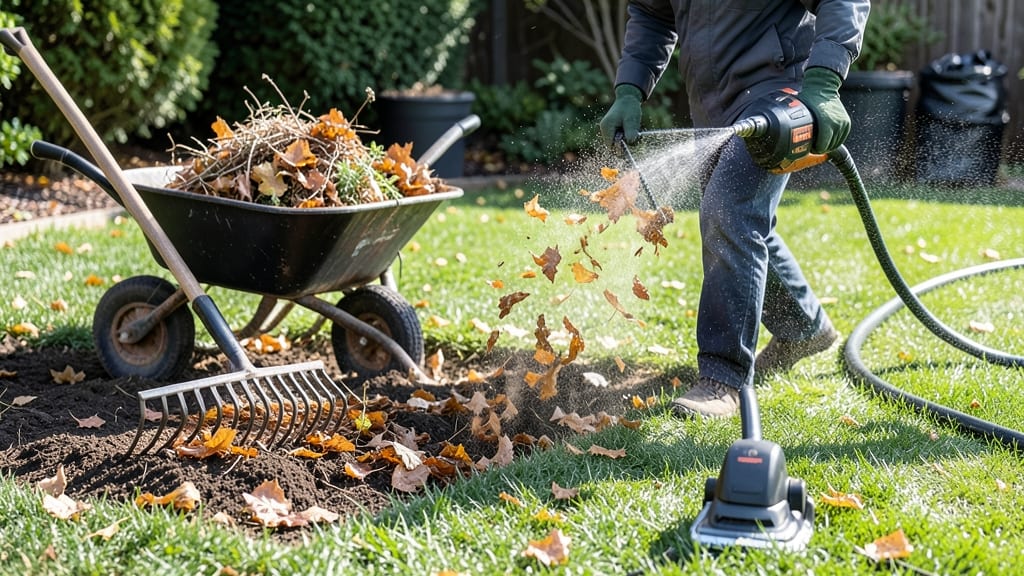
Choosing garden cleaning services means evaluating expertise in outdoor space maintenance—like debris removal, tool handling, and eco-friendly practices—to protect your plants while getting a thorough clean. Always check pricing structures, insurance coverage, and customer reviews before hiring.
When you hire garden cleaning services, you're not just paying for a tidy yard—you're investing in expertise that preserves your outdoor space's health. 🌿 Many providers specialize in specific techniques, like pressure washing without damaging plants or using biodegradable cleaners that won't harm soil.
I always recommend asking for before-and-after photos from past clients, as this gives you a real sense of their attention to detail. The right service will leave your garden looking refreshed while keeping your plants thriving for seasons to come.
Don't overlook the practical details either. A reputable company will offer clear contracts outlining exactly what's included in their service, from leaf removal to fence cleaning. 🔍 Pricing shouldn't be a mystery—ask for itemized quotes upfront to avoid surprises.
And while you're at it, verify their insurance coverage protects both your property and their workers, which is especially important for services involving power equipment near delicate plants.
💡 In This Article
- What to Look for in Professional Garden Cleaning Expertise
- Top Questions to Ask Before Hiring Garden Cleaners
What to look for in professional garden cleaning expertise
Certifications and training matter more than you might think in garden maintenance.
A truly skilled service will have technicians certified in horticultural practices, meaning they understand how to safely remove debris without harming plant roots or soil ecosystems. 🌱 For example, a provider trained in "soft washing" techniques uses low-pressure systems that clean surfaces without stripping away beneficial microbes in the soil—something DIY pressure washers often destroy.
Look for credentials from organizations like the Professional Grounds Management Society (PGMS), which verifies expertise in sustainable landscaping practices.
The quality of their equipment speaks volumes about their professionalism. High-end tools like rotary blowers with variable speed controls (ranging from 1,000-3,000 CFM) can efficiently clear leaves without damaging delicate plants, while basic leaf blowers often create wind tunnels that scatter debris everywhere.
I've seen services with commercial-grade leaf vacuums that collect up to 50 pounds of debris per pass—a game-changer for large properties. Even their cleaning solutions should be plant-safe, like those with pH-neutral formulations that won't alter soil acidity levels.
Red flags often appear in how they handle your property before you even sign a contract.
Watch for services that refuse to show up for a free consultation or won't provide references from similar properties. 🚩 Another warning sign is when they quote prices without first inspecting your garden—this suggests they might cut corners or upsell unnecessary services.
Always ask to see their insurance certificates (liability and workers' comp) and verify they're current with your state's licensing board. A reputable company will happily share these documents upfront.
Experience with specific plant types can make all the difference in preserving your garden's health. Some services specialize in organic gardening maintenance, using only compost tea fertilizers and avoiding synthetic chemicals that could harm pollinators.
Others focus on mature landscapes with rare plants, where they'll take extra care around delicate perennials or established trees.
I once worked with a client whose Japanese maple trees were suffering from salt buildup from winter—only a service with arborist certification knew how to safely remove the deposits without damaging the bark.
Don't underestimate the importance of their waste disposal practices. Professional services should offer recycling programs for yard waste, composting organic materials, and proper disposal of non-compostable debris. Some even partner with local green initiatives to repurpose materials like branches for mulch or wood chips.
This eco-friendly approach not only benefits your garden but also shows the company's commitment to sustainable practices that align with modern landscaping standards.
Finally, observe their attention to detail during the cleaning process. A thorough service will:
- Inspect for pests: Look for signs of grubs, slugs, or fungal growth that might need treatment
- Check irrigation systems: Ensure sprinkler heads aren't clogged or spraying incorrectly
- Examine plant health: Identify early signs of disease like powdery mildew or leaf spot
- Clean hard-to-reach areas: Like under patio furniture or along fence lines where debris accumulates
This level of care ensures your garden gets more than just a surface clean—it receives a health check that can prevent long-term damage. 🌿