
Neem Oil
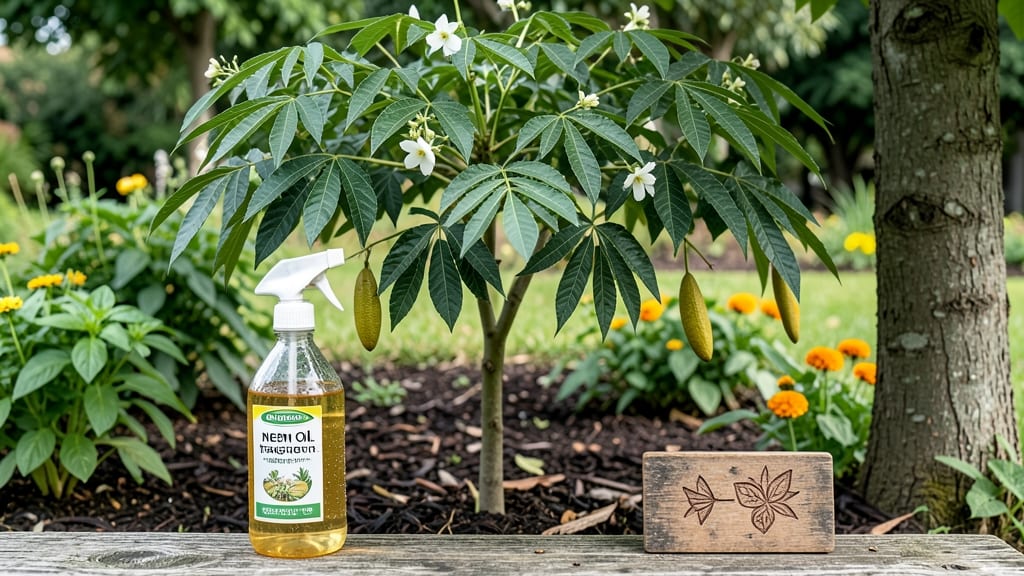
Neem oil in organic gardening serves as a powerful natural insecticide, fungicide, and soil enhancer by disrupting pest life cycles, inhibiting fungal growth, and improving soil microbial balance without relying on synthetic chemicals.
This versatile oil works through its active compound, azadirachtin, which interferes with insects' feeding and reproductive cycles while also preventing fungal spores from germinating. 🌱 For gardeners, it's a game-changer because it tackles everything from aphids and whiteflies to powdery mildew—all while being completely safe for plants when used correctly.
The best part? It breaks down quickly in sunlight, so there's no risk of residue buildup.
Beyond pest control, neem oil boosts soil health by promoting beneficial microbes and reducing harmful pathogens. Many organic gardeners use it as a preventive spray every 2-4 weeks during growing seasons, often mixing it with compost tea for even better results.
The key is consistency—regular applications create a protective barrier that keeps pests and diseases at bay naturally.
💡 In This Article
- How Neem Oil Disrupts Pests and Fungal Growth Mechanically
- Best Organic Gardening Uses for Neem Oil Beyond Pest Control
How neem oil disrupts pests and fungal growth mechanically
Neem oil's power comes from its complex blend of bioactive compounds, with azadirachtin being the star player. This compound works like a biochemical disruptor—it interferes with insect hormones, specifically preventing molting and disrupting feeding patterns.
When pests like aphids or spider mites ingest neem-treated foliage, their growth hormones get scrambled, leading to deformed exoskeletons and eventual death. 🔥 The oil also contains nimbin and salannin, which act as feeding deterrents, making plants taste bitter to insects.
Against fungi, neem oil creates a protective film that prevents spore germination. Studies show it's particularly effective against powdery mildew and black spot by inhibiting the fungal enzymes responsible for cell wall formation.
The oil's fatty acids (oleic and stearic) disrupt the fungal membrane integrity, essentially suffocating the pathogen at the cellular level. What's remarkable is that neem oil tackles over 200 pest species while being completely plant-safe when properly diluted.
The key to its effectiveness lies in its multi-pronged attack. First, it acts as an antifeedant, making plants unappetizing to insects. Second, it disrupts their reproductive cycles—female insects produce fewer eggs, and larvae fail to mature.
Third, it has repellent properties that keep pests away from treated areas. This three-step mechanism is why gardeners see results within 24-48 hours of application, especially when used preventatively.
For fungal issues, neem oil works by creating an unsuitable environment for spore germination. The oil's hydrophobic nature forms a thin barrier on leaf surfaces, preventing moisture from reaching fungal spores. This is particularly useful in humid climates where fungal diseases thrive.
The best part? Neem oil breaks down completely within 3-7 days of application, leaving no harmful residues—unlike synthetic fungicides that can accumulate in soil.
What most gardeners don't realize is that neem oil's effectiveness depends on proper dilution ratios. A typical spray mix uses 1-2 tablespoons of neem oil per gallon of water, combined with a mild surfactant to help it adhere to plant surfaces.
The surfactant is crucial because neem oil alone would simply bead up and roll off leaves. This combination creates a uniform protective layer that maximizes contact with both pests and fungal spores.
Temperature plays a surprising role too. Neem oil works best when applied during cooler parts of the day (early morning or late afternoon) to prevent rapid evaporation. In temperatures above 90°F, the oil can degrade faster, reducing its effectiveness.
That's why gardeners in hot climates often apply it more frequently—every 7-10 days—rather than every 2-4 weeks like in cooler regions.
The science behind neem oil's antifungal properties is particularly fascinating. When applied to fungal spores, the oil's compounds interfere with the spores' ability to produce germ tubes—the early stage of fungal growth.
Without these tubes, the spores can't penetrate plant tissues. This is why neem oil works so well as a preventive measure—it stops fungal infections before they even begin. 💫