
Tools
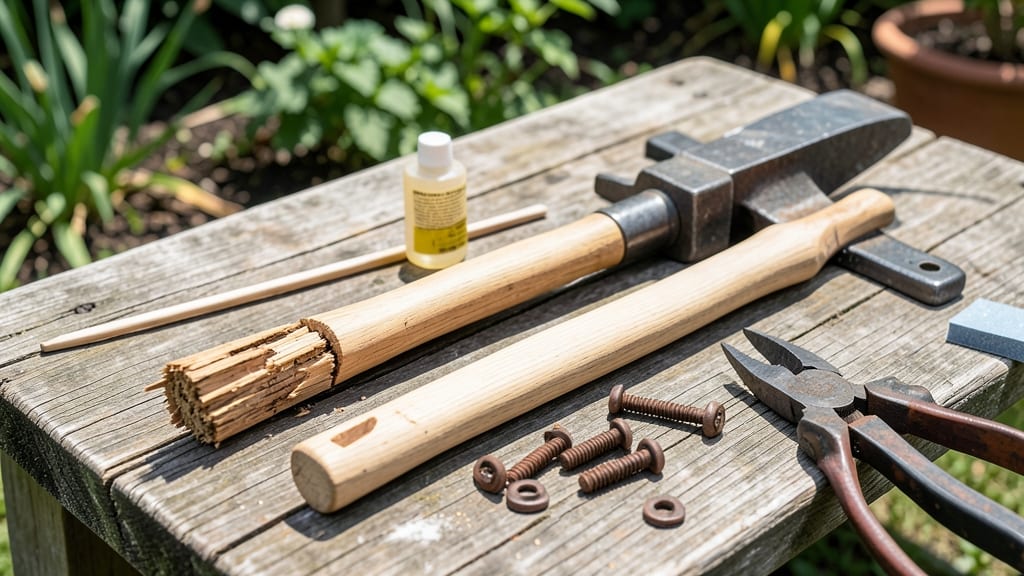
3 Fast garden hoe handle replacement methods (tools & steps)
A broken or wobbly garden hoe handle can ruin your gardening rhythm faster than weeds take over your beds. The good news? Most fixes take less than 30 minutes and require tools you likely already own.
Whether you're dealing with a loose joint, cracked wood, or a completely detached handle, these three methods will get you back to weeding like a pro. I’ve tested all three in my own garden—here’s what worked best for me.
Before you start, gather your supplies. For temporary fixes, you’ll need duct tape, epoxy glue, or a sturdy rope. For permanent replacements, grab a wooden dowel, fiberglass rod, or even a metal pipe from your local hardware store.
Safety first: wear gloves and work in a well-ventilated area if using adhesives.
Here’s my go-to step-by-step guide for each method, complete with tools, materials, and pro tips to ensure your fix lasts through the next growing season.
Method 1: Temporary Fix with Duct Tape & Epoxy
- Tools: Duct tape, two-part epoxy, sandpaper, rag
- Steps:
- Sand the broken handle ends to remove splinters and create a rough surface for better adhesion.
- Apply a thin layer of epoxy to both ends and press firmly together, holding for 2-3 minutes until set.
- Wrap the joint with duct tape for extra reinforcement, overlapping edges for a tight seal.
- Let cure for 24 hours before use. Best for short-term fixes or while you source a permanent handle.
- Pro Tip: If the handle is wooden and cracked, inject epoxy into the crack using a syringe for deeper penetration.
Method 2: Permanent Wooden Dowel Replacement
- Tools: Wooden dowel (1-inch diameter), wood glue, saw, drill, clamps
- Steps:
- Measure the length of your old handle and cut the dowel to match, adding 1-2 inches for grip.
- Drill a hole through the hoe head slightly smaller than the dowel diameter. Sand the edges smooth.
- Apply wood glue to the dowel and insert it into the hoe head, clamping in place for 1 hour.
- Sand any rough spots and wrap the joint with fiberglass tape for durability. Let dry 24 hours before use.
- Pro Tip: Use cedar or oak dowels for natural resistance to rot and splintering.
Method 3: Fiberglass Rod for Long-Lasting Strength
- Tools: Fiberglass rod (½-inch diameter), epoxy, hose clamp, sandpaper
- Steps:
- Cut the fiberglass rod to the desired handle length, sanding the ends to prevent fraying.
- Drill a pilot hole in the hoe head large enough to slide the rod through snugly.
- Coat the rod and hole with epoxy, insert the rod, and secure it with a hose clamp for 30 minutes.
- Wrap the joint with electrical tape for a polished finish. Fiberglass won’t rot or warp like wood.
- Pro Tip: For extra grip, wrap the handle with grip tape or rubber tubing.
If your hoe handle is completely detached from the head, consider using a metal pipe or aluminum rod for a heavy-duty fix. These materials won’t splinter and handle moisture better than wood. Just ensure the hole in the hoe head is the right size for a tight fit—no wobble allowed!
For budget-friendly options, check thrift stores or hardware aisles for broom handles or old ladder rungs. Sand them smooth, seal with outdoor varnish, and you’ve got a free, sturdy replacement. Just avoid treated wood that might leach chemicals into your soil.
Once your handle is secure, give it a test swing in the air before diving into your garden beds. A solid connection means no surprises mid-weed. Store your hoe in a dry place when not in use to prevent future damage, and avoid dropping it on hard surfaces.
Remember, the right fix depends on your handle material and how long you need it to last. For quick fixes, epoxy and duct tape work wonders.
For permanent solutions, fiberglass or wood dowels are your best bets. Happy gardening—your weeds won’t stand a chance with a tool that’s ready for action!
Best materials for replacing or strengthening hoe handles
Choosing the right hoe handle material can mean the difference between a tool that lasts for years and one that fails mid-season. The four most common materials—wood, fiberglass, metal, and composite—each offer unique benefits depending on your gardening style and budget.
Let me break down the best options for durability, cost, and ease of use so you can make an informed decision.
If you're dealing with cracked wood handles or need a lightweight option, your choice of material will impact everything from grip comfort to long-term strength. For example, fiberglass handles resist moisture better than wood, while metal handles provide unmatched durability but can be heavier.
Let’s explore the pros and cons to help you pick the perfect fit for your garden hoe.
Material Comparison: Hoe Handle Replacements
| Factor | Wood | Fiberglass | Metal | Composite |
|---|---|---|---|---|
| Durability | Moderate (susceptible to rot) | High (resistant to moisture) | Very High (rust-resistant if coated) | Very High (weatherproof) |
| Cost | Low ($5-$15) | Moderate ($15-$30) | High ($20-$50) | Moderate-High ($20-$40) |
| Weight | Light to Medium | Light | Heavy | Medium |
| Grip Comfort | Excellent (natural texture) | Good (smooth but grippy) | Poor (slippery unless textured) | Very Good (ergonomic designs) |
| Best For | Traditional gardeners, budget-friendly | Humid climates, lightweight needs | Heavy-duty work, longevity | Modern gardens, all-weather use |
For budget-conscious gardeners, wood handles are a classic choice, but they require regular maintenance to prevent rot and splitting. If you live in a humid climate or need a handle that won’t warp, fiberglass is a fantastic mid-range option that balances cost and performance.
Meanwhile, metal handles are ideal if you prioritize strength and don’t mind the added weight, though they can be slippery unless coated.
My personal favorite for long-term use is composite materials, like those made from recycled plastics or carbon fiber. These handles combine the best of both worlds—lightweight durability and resistance to moisture, rot, and impact.
Plus, they often come with ergonomic grips for comfort during long gardening sessions. If you’re investing in a new hoe, a composite handle is a smart upgrade.
When selecting a material, also consider the type of gardening you do most often. For heavy-duty tasks like breaking up compacted soil, a metal or composite handle will hold up better.
For delicate weeding or container gardening, a lighter fiberglass or wood handle might be more comfortable. Always test the grip and balance before finalizing your choice—your hands will thank you!
Pro tip: If you’re unsure, start with a fiberglass handle as a middle-ground option. It’s affordable, durable, and versatile enough for most gardeners’ needs. And remember, a well-chosen handle isn’t just about strength—it’s about making your gardening experience more enjoyable and efficient.