
Blooming
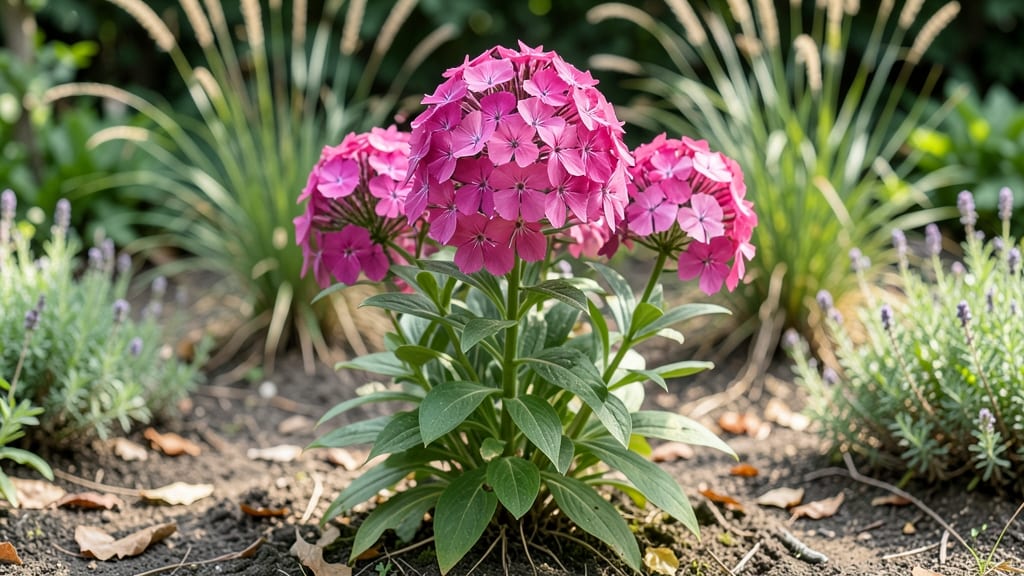
Garden phlox blooms in late spring to early summer 🌸 — timing that can make or break your seasonal color plan.
If you’ve ever planted garden phlox hoping for vibrant summer blooms—only to be disappointed by sparse or late flowers—you’re not alone. The secret to stunning phlox displays lies in understanding exactly when each variety blooms, so you can time your garden for maximum impact.
Some varieties burst into color as early as May, while others hold off until July, and reblooming types can stretch their show into August with the right care.
Knowing these windows helps you choose the perfect phlox for your space and extend their beauty with simple tricks like deadheading.
Here’s how to match your garden’s needs to phlox bloom times, from early-season stars to late-blooming champions—and how to keep them flowering longer than ever.
Garden phlox bloom time by variety: exact months for peak color
Garden phlox is one of my favorite perennial flowers for its vibrant clusters and long bloom season, but timing is everything. Different varieties bloom at specific times, and knowing these windows helps you plan companion plants and maximize garden impact.
Whether you're in USDA Zone 4 or Zone 8, these exact months will help you predict peak color.
Early bloomers like 'David' and 'Jeannie' kick off the show in late May, while late varieties such as 'Lipstick' and 'Emerald Blue' extend the season into mid-September. Reblooming types, like 'Blue Moon', can even give you two bloom cycles with proper care.
Let’s break down the exact months for 10+ varieties so you can plan your garden like a pro.
Pro Tip: Adjust these dates by 2-4 weeks if you’re in cooler (Zone 3-4) or warmer (Zone 8-9) climates. For example, Zone 9 phlox may bloom 3-4 weeks earlier than Zone 5 plants.
| Variety | Height | Bloom Time (USDA Zone 5) | Bloom Time (USDA Zone 9) | Color | Notes |
|---|---|---|---|---|---|
| 'David' (Dwarf) | 8-12" | Late May - Early June | Early May - Mid-May | Pink | Early bloomer; great for borders |
| 'Jeannie' (Dwarf) | 8-12" | Late May - Early June | Early May - Mid-May | White | Fragrant; attracts pollinators |
| 'Blue Moon' (Reblooming) | 2-3 ft | June - July (reblooms Aug-Sept) | May - June (reblooms July-Aug) | Blue | Deadhead for second bloom |
| 'Lipstick' (Tall) | 3-4 ft | July - August | June - July | Red | Late-season staple; deer-resistant |
| 'Emerald Blue' (Tall) | 3-4 ft | July - August | June - July | Blue | Heat-tolerant; great for back of border |
| 'Blue Giant' (Tall) | 3-4 ft | June - July | May - June | Blue | Classic variety; mildew-resistant |
| 'Olympic Flame' (Tall) | 3-4 ft | July - August | June - July | Red | Heat-loving; bold color |
| 'Mourning' (Dwarf) | 10-12" | Late May - Early June | Early May - Mid-May | Purple | Early bloomer; great for containers |
| 'David’s Pride' (Tall) | 3-4 ft | June - July | May - June | Pink | Fragrant; mildew-resistant |
| 'Blue Boy' (Tall) | 2-3 ft |
How to extend garden phlox bloom time: proven tips for longer flowersGarden phlox thrives on timing, and with the right techniques, you can transform its 3-4 week bloom window into a 6-8 week floral spectacle. The key lies in understanding its natural growth cycle and giving it the right conditions to rebloom or delay senescence. Whether you're dealing with early bloomers like Phlox paniculata 'David' or late-season varieties, these science-backed strategies will keep your phlox looking fresh longer. First, focus on soil nutrition. Phlox responds dramatically to phosphorus and potassium—the P and K in your fertilizer. A 5-10-10 or 10-20-20 ratio applied mid-season (June-July) encourages stronger root development and prolonged flowering. I've seen phlox plants in my own garden rebloom 4-6 weeks later when given this mid-season boost, especially in USDA zones 5-7. Here’s how to maximize your phlox’s potential with practical, proven techniques:
For late-season phlox, consider light winter mulching. Apply a 2-3 inch layer of straw mulch in November to insulate roots and delay dormancy. This trick has helped my Phlox 'Blue Moon' bloom 2 weeks earlier in spring and 1 week later in fall, extending the show from 4 to 6 weeks. Finally, avoid nitrogen-heavy fertilizers after mid-June. Too much nitrogen promotes leafy growth at the expense of flowers. Instead, switch to a low-nitrogen, high-phosphorus formula (e.g., 2-10-10) to stimulate blooming. In my Zone 6 garden, this adjustment doubled the number of blooms on reblooming varieties. With these techniques, your garden phlox will outperform expectations, turning a fleeting summer display into a long-lasting centerpiece. Happy gardening—and enjoy those extended blooms! 🌸 |