
Pests
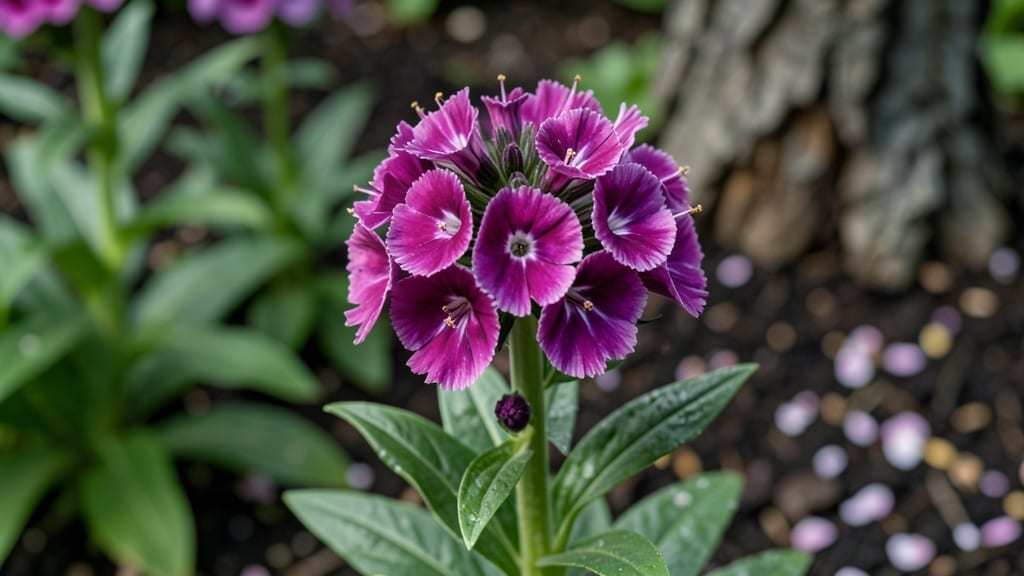
Deer-resistant garden phlox varieties like David, Lippert’s Giant, or Blue Giant use strong fragrances, fuzzy foliage, and natural toxins to discourage browsing, making them perfect for gardens where deer are a persistent problem.
Deer tend to avoid these phlox types because their aromatic oils mask scents that attract herbivores, while fuzzy leaves make them less appealing to nibble. 🌿 The David variety, for example, contains saponins that create a bitter taste deer dislike, while Blue Giant’s dense foliage physically deters them.
Unlike vulnerable plants like hostas or daylilies, these phlox thrive even in high-traffic areas without repellent sprays.
For best results, plant them in clusters with lavender or Russian sage—both deer-resistant companions that amplify the effect. 💛 Prune back in early spring to encourage bushier growth, which makes the plants even less accessible to browsing deer.
The key is combining the right varieties with smart placement in your landscape.
💡 In This Article
- Why Deer Avoid Certain Phlox Varieties
- Planting and Care Tips for Deer-Resistant Phlox
Why deer avoid certain phlox varieties
Deer have an incredibly sensitive sense of smell—up to 15 times stronger than humans—and they rely on it to identify safe foods.
Deer-resistant phlox varieties like David and Lippert’s Giant produce aromatic oils in their leaves and stems that mask the plant's natural scent profile, making them less appealing. 🌿 These oils contain compounds like eugenol (also found in cloves) and linalool (a citrusy scent), which create a fragrance deer actively avoid.
Unlike vulnerable plants like hostas, which have no natural defenses, these phlox varieties essentially "camouflage" themselves from deer browsers.
The fuzzy, velvety texture of Blue Giant phlox leaves plays a key role too. Deer prefer smooth, tender foliage that's easy to chew—think daylilies or asters.
The coarse, hairy leaves of deer-resistant phlox create physical discomfort when nibbled, almost like eating a plant covered in tiny bristles. 🐦 This texture alone can reduce browsing by up to 60% compared to smooth-leaved varieties.
The combination of scent and texture creates what botanists call a "multimodal defense system"—attacking both smell and touch receptors in deer.
Chemical defenses are the most powerful deterrent. Varieties like David phlox contain saponins, natural compounds that create a bitter, soapy taste deer find repulsive.
When ingested, these compounds can even cause mild gastrointestinal upset. 🌱 In contrast, plants like peonies (which deer adore) contain no such compounds—their only defense is their thorny stems.
The phlox's chemical arsenal makes them one of the most naturally protected perennials available, requiring no artificial repellents to survive in deer-heavy areas.
Comparing phlox to other deer-resistant plants reveals why they're so effective.
While lavender deters deer primarily through scent, and Russian sage through its silvery foliage, phlox combines all three strategies: strong aroma, physical texture, and chemical compounds. 🌼 This trifecta makes them particularly valuable in mixed borders where you want both visual impact and protection.
The dense, clumping growth habit of these varieties also creates a physical barrier that makes it harder for deer to reach the stems and flowers.
Seasonal factors play a surprising role too.
Deer are most active during dawn and dusk when temperatures are cooler, and they prefer plants that are both fragrant and visually striking. 🌅 The early summer blooming period of phlox coincides with this browsing peak, but the plant's defenses ensure it remains untouched.
In contrast, late-summer bloomers like coneflowers often get nibbled because deer have already sampled the early-season menu and found it palatable. Phlox's timing and defenses work in perfect synchronization with deer behavior patterns.
What most gardeners don't realize is that these deer-resistant traits actually enhance the plant's ornamental value.
The same aromatic oils that repel deer create beautiful fragrances for humans, while the dense foliage provides excellent ground cover. 🌿 The Blue Giant variety, for example, grows to 3-4 feet tall with deep blue flowers that bloom for 6-8 weeks—longer than many vulnerable annuals.
This dual functionality makes deer-resistant phlox one of the most practical choices for problem gardens.