
Pruning
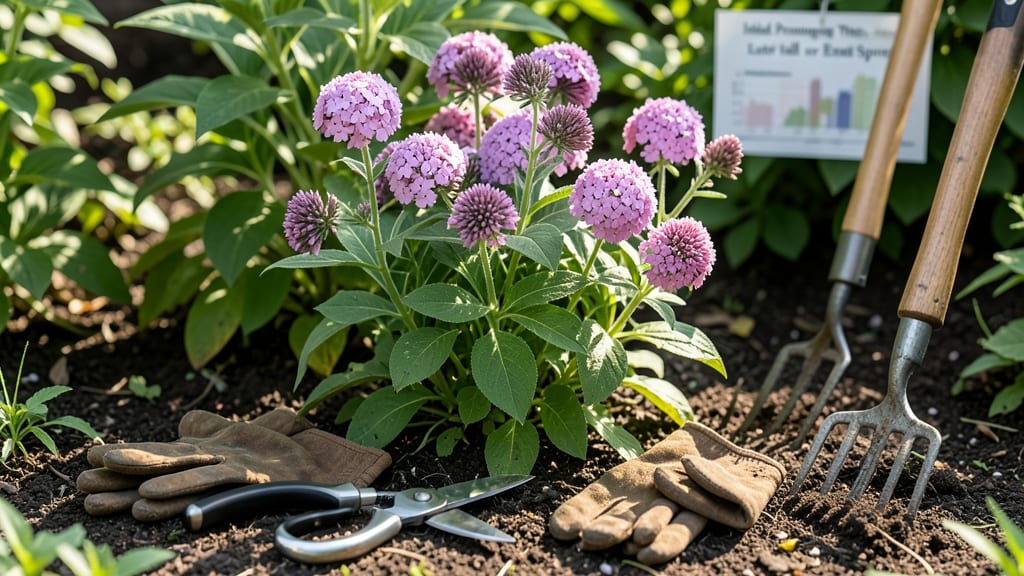
Cutting back garden phlox in late fall is the key to stronger blooms next season—and doing it wrong can leave your plants struggling or even dead.
If you’ve ever stared at your 🌸 garden phlox in October, unsure whether to trim or wait, you’re not alone. The wrong timing can expose roots to winter cold or leave your plant exhausted before spring.
But there’s a sweet spot—one that keeps your phlox healthy and ready to burst into color by June.
Most gardeners in Zone 6a (and similar climates) should prune phlox after the first hard frost, around mid-October. This removes dead foliage, reduces disease risk, and lets the plant store energy for new growth. The goal? A clean base that’s protected but not over-pruned.
In this guide, I’ll walk you through the exact steps—when to cut, how much to trim, and what to avoid—to ensure your phlox thrives for years. No more guesswork, just clear, actionable advice for a showstopping spring display.
The exact late fall timeline for cutting back garden phlox
Knowing the perfect time to cut back your garden phlox in late fall can mean the difference between a lush, blooming plant next season and one that struggles to recover. The key is to prune after the first hard frost but before the ground freezes solid.
This timing protects the root system while removing dead foliage that could harbor disease or pests over winter.
Your USDA hardiness zone plays a critical role in determining the exact window. In zones 3-5, where winters are harsh, you’ll need to act quickly—sometimes within days of the first frost.
Meanwhile, gardeners in zones 6-9 have a slightly longer grace period. Let’s break down the regional timeline so you can prune with confidence.
| USDA Zone | First Frost Window | Pruning Timeframe | Key Signs to Watch |
|---|---|---|---|
| 3-5 | Mid-October to early November | Within 1-2 weeks after first frost | Foliage turns brown; ground may freeze within 3-4 weeks |
| 6-7 | Late November to early December | 2-3 weeks after first frost | Foliage wilts but stays green longer; ground may freeze in 4-6 weeks |
| 8-9 | December to January | 3-4 weeks after first frost | Foliage remains green longer; minimal frost risk |
| 10+ | January to February | After dormant season begins (late winter) | Foliage may stay green until winter solstice |
If you’re unsure whether your phlox is ready for trimming, look for these visual cues. First, check if the foliage has turned brown and crispy—a clear sign the plant has entered dormancy.
Next, gently tug on a stem; if it snaps easily, the plant is dormant and safe to prune. Avoid cutting back if stems are still green or pliable, as this indicates active growth.
Another critical factor is the height of your phlox. For standard varieties, aim to cut back to 4-6 inches above the ground. This height allows the plant to regenerate new growth from the crown in spring while protecting the roots from extreme cold.
For dwarf varieties, reduce the height to 2-3 inches to prevent damage to the root collar.
One of the biggest mistakes gardeners make is pruning too early in fall. Cutting back phlox before the first frost can stimulate new growth, which is then vulnerable to cold damage.
This weakens the plant and reduces its ability to rebloom the following season. Conversely, waiting too late can leave dead foliage in place, increasing the risk of fungal diseases like powdery mildew.
To make the process easier, gather your tools first: sharp pruners or clean shears, a garden rake for cleanup, and compost to dispose of clippings. Always sterilize your tools with rubbing alcohol to prevent spreading disease between plants.
After pruning, apply a 2-3 inch layer of mulch around the base to insulate the roots and retain moisture during winter.
For gardeners in warmer climates (zones 8-10), late fall pruning can be more flexible. In these areas, phlox may not fully enter dormancy until winter, so wait until January or early February to trim. This delay gives the plant time to harden off naturally.
However, if your region experiences mild winters, you can also opt for a light pruning in late fall followed by a more thorough trim in early spring.
Finally, pay attention to your local microclimate. Areas near large bodies of water or in urban heat islands may have later frosts than rural zones. Use a frost date tracker or local gardening app to stay ahead of seasonal changes.
By aligning your pruning with your specific climate, you’ll give your phlox the best chance to thrive next season.
With the right timing and technique, your garden phlox will reward you with vibrant blooms and lush foliage year after year. Happy pruning!
How to prune garden phlox for maximum blooms next season
Pruning garden phlox correctly is the secret to vibrant blooms next summer. Unlike annuals, phlox is a perennial that stores energy in its roots, so proper pruning ensures strong regrowth.
The key lies in understanding when and how much to cut back—too much or too little can stunt your plant's potential.
Most gardeners focus on deadheading spent blooms during the growing season, but late fall/winter pruning is equally critical. This is when you shape the plant for next year's maximum blooms. Reblooming varieties (like Phlox paniculata) need special attention to encourage multiple flushes of flowers.
⚠️ WARNING: Timing is everything! Cutting back your garden phlox too early (before first frost) removes protective foliage, while waiting too long leaves old stems vulnerable to fungal diseases.
The ideal window is after leaves yellow and die back naturally—typically late November to early December in most USDA Zone 5-8 regions.
Start by gathering your tools: sharp bypass pruners (for clean cuts), gloves (to protect from thorns), and disinfectant (to prevent spreading disease). Remove dead or diseased stems first—they’re easy to spot as brown, mushy, or hollow stems. These should be discarded, not composted, to avoid reinfecting your garden.
For healthy stems, cut back to 4-6 inches above the ground. This height preserves enough energy storage in the roots while removing last year's growth that could harbor pests. Never cut into old wood—you’ll see this as woody, brown stems with no green growth.
Reblooming varieties benefit from slightly shorter cuts (3-4 inches) to stimulate new basal growth.
After pruning, mulch heavily (3-4 inches) with organic mulch like shredded leaves or straw. This insulates roots from freeze-thaw cycles and suppresses weeds. Avoid fresh grass clippings—they can mat down and trap moisture, leading to root rot. Water lightly before winter if your region experiences dry spells during dormancy.
Resist the urge to prune in early spring. New growth emerges from the base, and cutting too soon removes potential blooms. Wait until early May (after last frost) to do any final tidying. Your patience now will reward you with fuller, healthier blooms by midsummer—worth every careful snip!